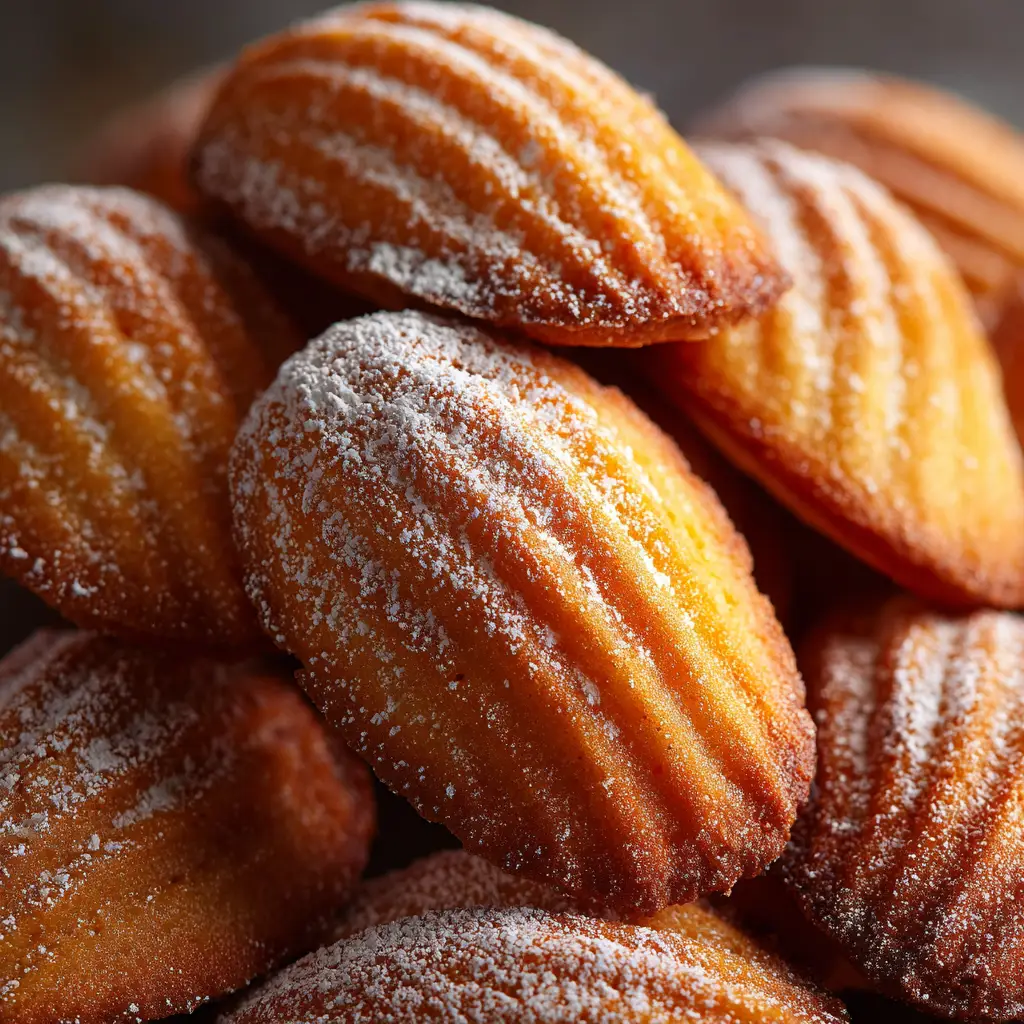
There’s nothing quite like a freshly baked, warm French Madeleine. These delicate, shell-shaped sponge cakes are buttery, light, and boast a distinctive hump that signifies a perfect bake. This foolproof French Madeleine Recipe will guide you through creating these iconic treats in your own kitchen, capturing a little piece of Parisian café culture with every bite. Forget dry, disappointing madeleines; this recipe guarantees a tender crumb and that signature bump every single time.
We will unlock the secrets to achieving that perfect texture and shape, transforming simple ingredients—butter, sugar, eggs, and flour—into something truly magical. Whether you’re enjoying them with your afternoon tea or as a light dessert, these classic cookies are sure to impress.
The perfect companion for your afternoon tea or coffee break.
What Are Madeleines? A Taste of French History
Madeleines are small, traditional sponge cakes originating from Commercy and Liverdun, two communes in the Lorraine region of northeastern France. Their most recognizable features are their unique shell-like shape, acquired from being baked in a special pan with shell-shaped depressions, and a pronounced hump on the opposite side. They are beloved for their rich, buttery flavor and soft, cakey texture.
Why You’ll Love This Authentic French Madeleine Recipe
This isn’t just another cookie recipe; it’s a guide to creating a truly special treat. Here’s why this will become your go-to method:
Perfectly Spongy Texture: We use melted butter and gently folded ingredients to create a crumb that is unbelievably light and tender.
The Signature Hump: This recipe includes the essential chilling step—the key to creating the thermal shock needed for that classic hump to form.
Simple, High-Quality Ingredients: You don’t need anything fancy, just pantry staples. This recipe lets the quality of simple ingredients like butter and vanilla shine.
Quick & Easy to Make: While the batter needs to chill, the active prep and baking time is incredibly short, making it an easy yet impressive bake. If you enjoy quick desserts, you might also love this easy cherry clafoutis recipe.
The Secret to the Signature Madeleine Hump
The “hump” is the most coveted feature of a classic French Madeleine, and achieving it is a matter of science. It’s created by a rapid burst of steam, a reaction known as “thermal shock.” When the very cold, thick batter hits the hot, buttered pan and goes into a hot oven, the outside sets almost instantly while the inside is still cold. The leavening agents (baking powder in our case) react vigorously to the heat, releasing carbon dioxide gas. With the edges sealed, this gas has nowhere to go but up, pushing the center of the cookie into a proud hump. Chilling the batter is not an optional step; it is the essential secret to success!
Look at that delicate crumb! The texture is just as important as the taste.
Essential Ingredients
The beauty of this French Madeleine Recipe lies in its simplicity. Here’s what you’ll need:
Unsalted Butter: Melted and cooled. For a nuttier, deeper flavor, you can use brown butter (instructions in the variations section).
Granulated Sugar: Provides sweetness and contributes to the golden color.
Eggs: Must be at room temperature to create a stable emulsion.
All-Purpose Flour: Provides the structure for these delicate cakes.
Baking Powder: The leavening agent responsible for that beautiful rise.
Fine Sea Salt: Balances the sweetness.
Vanilla Extract: Use pure vanilla extract for the best flavor.
Lemon Zest: Adds a subtle, bright freshness that is characteristic of classic madeleines.
Necessary Equipment
The most crucial piece of equipment is, of course, a madeleine pan. A traditional metal pan conducts heat best, which is vital for achieving the hump. You will also need mixing bowls, a whisk, and a silicone spatula. While not required, a piping bag can make filling the molds cleaner and more uniform.
How to Make French Madeleines: Step-by-Step
Follow these instructions carefully for perfect results. The key is to work gently and respect the chilling time.
Melt the Butter: Start by melting the butter in a small saucepan or in the microwave. Set it aside to cool slightly while you prepare the other ingredients.
Whisk Eggs and Sugar: In a medium bowl, whisk the room-temperature eggs and granulated sugar together for about 4-5 minutes, until the mixture is pale, thick, and ribbony. This step incorporates air, which is crucial for a light texture.
Combine Dry Ingredients: In a separate, smaller bowl, whisk together the all-purpose flour, baking powder, and salt.
Fold Ingredients: Gently fold the dry ingredients into the egg and sugar mixture in two batches, being careful not to overmix. Just combine until no flour streaks remain. Then, fold in the vanilla extract and lemon zest.
Incorporate Butter: Slowly drizzle in the cooled, melted butter, gently folding until it is just combined into the batter. The batter will be smooth and glossy.
Chill the Batter: This is the most important step! Cover the bowl with plastic wrap and refrigerate for at least 1 hour, or up to overnight. The batter must be very cold.
Prepare the Pan: While the batter chills, generously grease and flour a madeleine pan. A non-stick pan is great, but this extra step is insurance against sticking.
Preheat and Fill: Preheat your oven to 375°F (190°C). Fill each shell mold about three-quarters full with the cold batter. Do not overfill.
Bake to Perfection: Bake for 9-11 minutes, or until the edges are golden brown and the centers spring back when lightly touched. The signature hump should have formed beautifully.
Cool and Serve: Immediately tap the pan on the counter to release the madeleines. Transfer them to a wire rack to cool. Madeleines are best enjoyed warm, the day they are made.
Pro Tips for Perfect Madeleines Every Time
Don’t Skip the Chill: I can’t say it enough! Cold batter in a hot oven is the non-negotiable secret to the hump.
Room Temperature Eggs: Cold eggs won’t whip up with the same volume. To quickly bring eggs to room temperature, place them in a bowl of warm water for 5-10 minutes.
Measure Flour Correctly: Spoon the flour into your measuring cup and level it off. Scooping directly from the bag can compact the flour, leading to dry madeleines.
Don’t Overmix: Overmixing develops gluten, which will make your delicate madeleines tough instead of tender. Fold the ingredients just until combined.
Flavor Variations to Try
While the classic lemon and vanilla combination is divine, you can easily customize this French Madeleine Recipe.
Brown Butter Madeleines: Before melting the butter, cook it over medium heat until it foams and brown specks appear at the bottom, releasing a nutty aroma. Let it cool before using.
Orange and Cardamom: Replace the lemon zest with orange zest and add 1/4 teaspoon of ground cardamom for a warm, spiced flavor.
Matcha Madeleines: Sift 1 tablespoon of matcha powder in with the dry ingredients for an earthy, vibrant twist.
If you’re a fan of single-serving baked goods, you should also try these fluffy blueberry muffins.
Storing Your Homemade Madeleines
Madeleines are truly at their peak the day they are baked, preferably still a little warm from the oven. If you have leftovers, you can store them in an airtight container at room temperature for up to 2 days. Their texture will change slightly, but they will still be delicious. Avoid refrigerating them, as it can dry them out.
Frequently Asked Questions About Making Madeleines
The secret is ‘thermal shock.’ A very cold, well-rested batter is spooned into a hot pan and placed in a hot oven. This causes a rapid rise in the center of the cookie, forming the signature hump before the edges set.
For the classic shell shape, yes, a madeleine pan is necessary. The shallow, scalloped wells are essential for the traditional appearance and even baking. In a pinch, you could use a mini muffin tin, but the texture and shape will be different, and they won’t be true madeleines.
The most common reason for flat madeleines is that the batter wasn’t chilled for long enough. A minimum of one hour in the refrigerator is crucial. Other causes could be an overmixed batter or an oven that wasn’t hot enough when the cookies went in.
Yes, absolutely! The batter benefits from a long rest. You can prepare it and keep it covered in the refrigerator for up to two days before baking. This makes it a great option for prepping ahead for guests.
Madeleines are best eaten the day they are baked, ideally while still warm. However, you can store any leftovers in an airtight container at room temperature for up to two days. Do not refrigerate them, as it will make them dry.
Share Your Creations!
I hope you love this classic French Madeleine Recipe as much as I do! There is nothing more rewarding than seeing those perfect little humps rise in the oven. If you make this recipe, I would love to see it! Please leave a comment below or tag me on Pinterest. Happy baking!
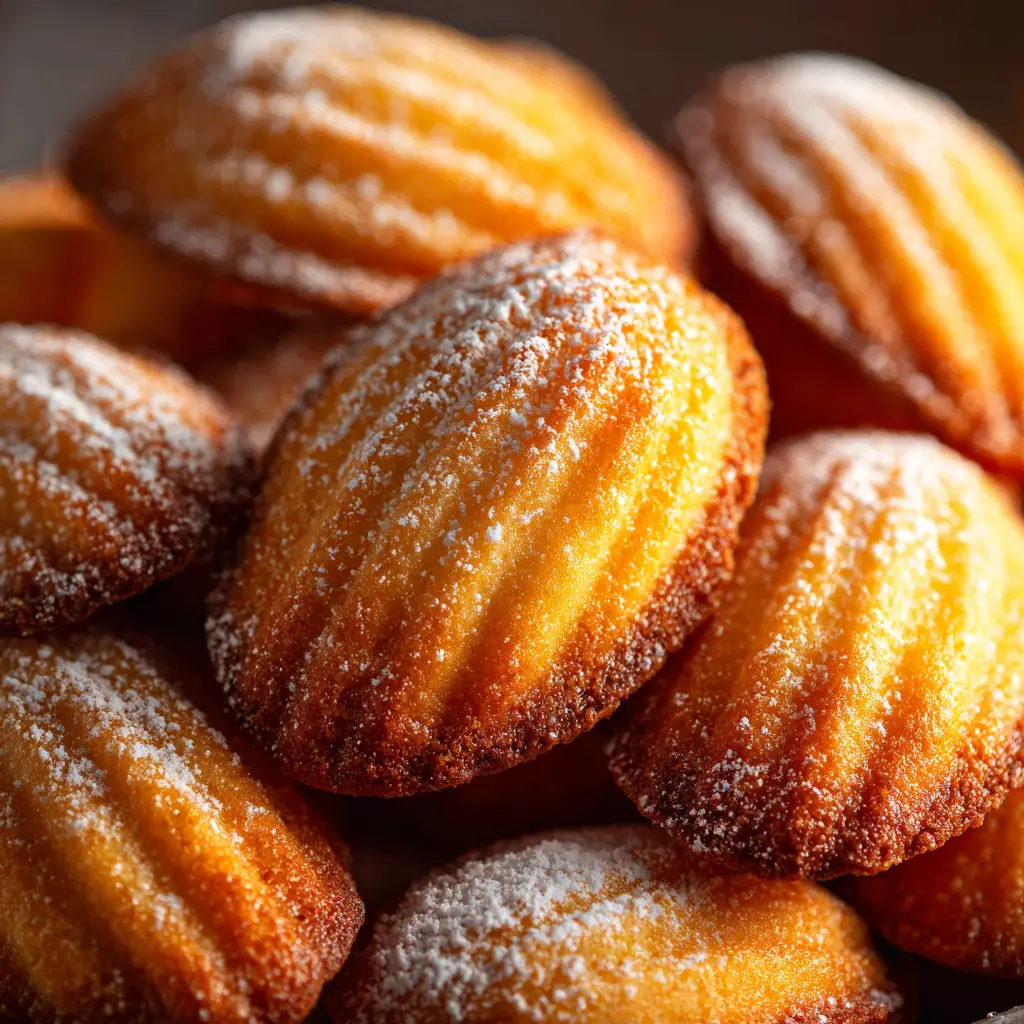
Golden and gorgeous, with the perfect hump! Ready to try this French Madeleine Recipe?
French Madeleine Recipe
FL Recipes
French Madeleine Recipe (Classic & Foolproof)
This classic French Madeleine Recipe guides you to create light, buttery, shell-shaped cakes with the signature hump. An easy, foolproof guide for the perfect Parisian treat.
In a medium bowl, whisk the room-temperature eggs and sugar together for 4-5 minutes until pale, thick, and ribbony.
In a separate bowl, whisk together the flour, baking powder, and salt.
Gently fold the dry ingredients into the egg mixture in two batches. Then, fold in the vanilla extract and lemon zest.
Slowly drizzle in the cooled, melted butter and fold until just combined.
Cover the batter and refrigerate for at least 1 hour or up to overnight.
Preheat oven to 375°F (190°C). Generously grease and flour a madeleine pan.
Fill each shell mold about three-quarters full with the cold batter.
Bake for 9-11 minutes, until the edges are golden and the centers spring back. Immediately release from the pan onto a wire rack to cool.
Nutrition
Calories: 110kcalProtein: 1.5gFat: 6gFiber: 0.2g
Notes
For the best flavor and texture, enjoy madeleines the day they are baked, preferably while still warm. Ensure your batter is very cold and your oven is fully preheated to create the thermal shock needed for the signature hump. Store leftovers in an airtight container at room temperature for up to 2 days.
Hi, I’m Emily Carter, and welcome to FL Recipes! I share simple, healthy recipes that make cooking easy, fun, and delicious for everyone. more about me »