Unlock the secret to flawlessly smooth, incredibly stable, and perfectly balanced frosting with this ultimate Swiss Meringue Buttercream recipe. If you’ve ever struggled with grainy, overly sweet American buttercream, this is the recipe that will change your baking game forever. It’s the gold standard for professional cake decorators for a reason: it’s divinely silky, pipes like a dream, and has a rich, buttery flavor that’s not overwhelmingly sweet. Prepare to create your most beautiful and delicious cakes yet.
This detailed guide will walk you through every step, from gently heating the egg whites to whipping the mixture into a glorious, cloud-like frosting. We’ll also cover essential troubleshooting tips to ensure you get a perfect result, every single time.
What Makes Swiss Meringue Buttercream So Special?
Unlike traditional powdered sugar frostings, Swiss Meringue Buttercream (SMBC) starts with a base of cooked egg whites and sugar. This mixture, a Swiss meringue, is whipped to stiff, glossy peaks before softened butter is gradually incorporated. This unique method results in a frosting that is exceptionally smooth and stable, making it ideal for intricate piping, filling cakes, and creating sharp, clean edges. Its sophisticated, less-sweet flavor profile also allows the taste of your cake to shine through.
Why You’ll Love This Foolproof Recipe
Incredibly Smooth Texture: The cooked sugar syrup dissolves completely, eliminating any possibility of grittiness. The result is a velvety, melt-in-your-mouth consistency.
Perfectly Balanced Sweetness: By using granulated sugar and no powdered sugar, this buttercream has a refined, buttery flavor that complements desserts rather than overpowering them.
Superior Stability: SMBC holds its shape beautifully, even in warmer conditions. It’s the perfect choice for tiered cakes and detailed decorations.
Versatile for Flavoring: Its neutral, buttery base is a blank canvas for countless flavor variations, from classic vanilla and chocolate to zesty citrus or rich coffee. Speaking of delicious fillings, it’s a great alternative to a standard chocolate cake filling.
The Essential Ingredients
Simplicity is key to this recipe. You only need four basic ingredients to create this luxurious frosting.
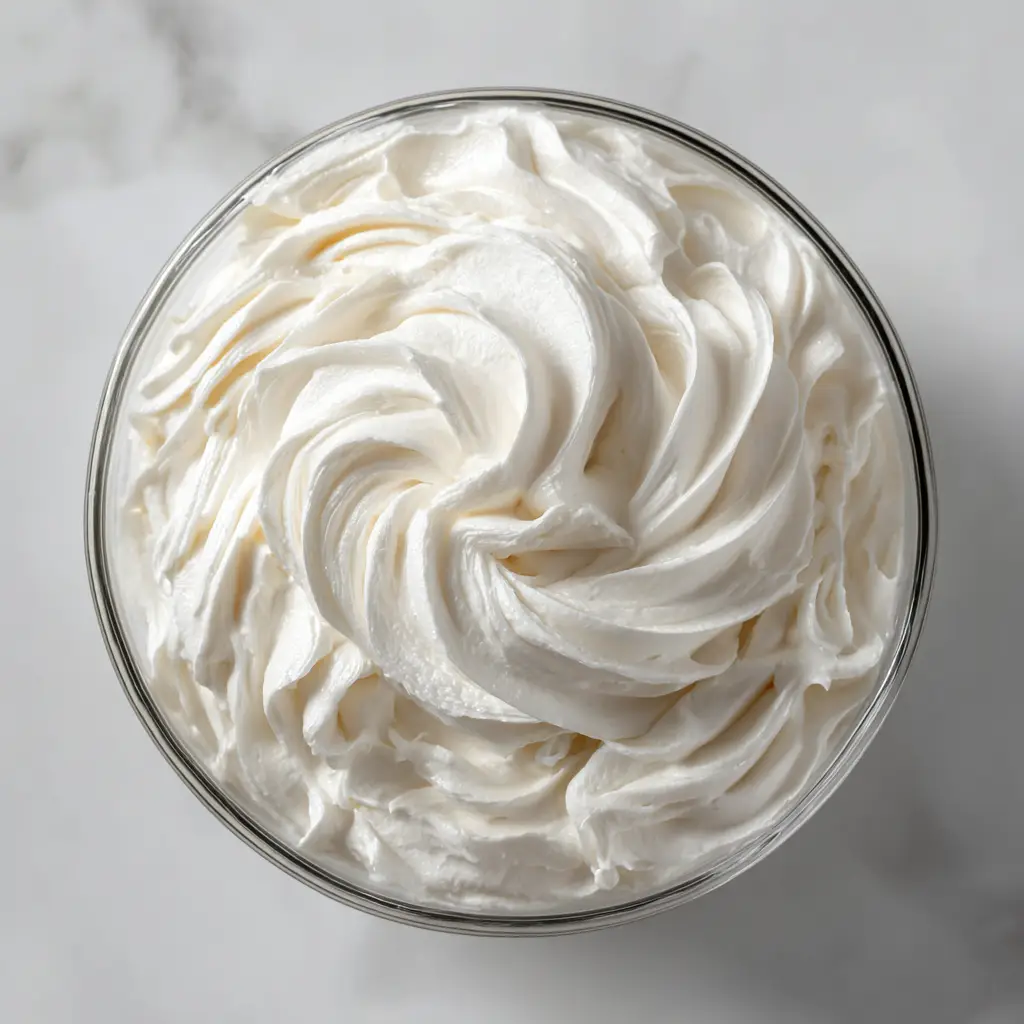
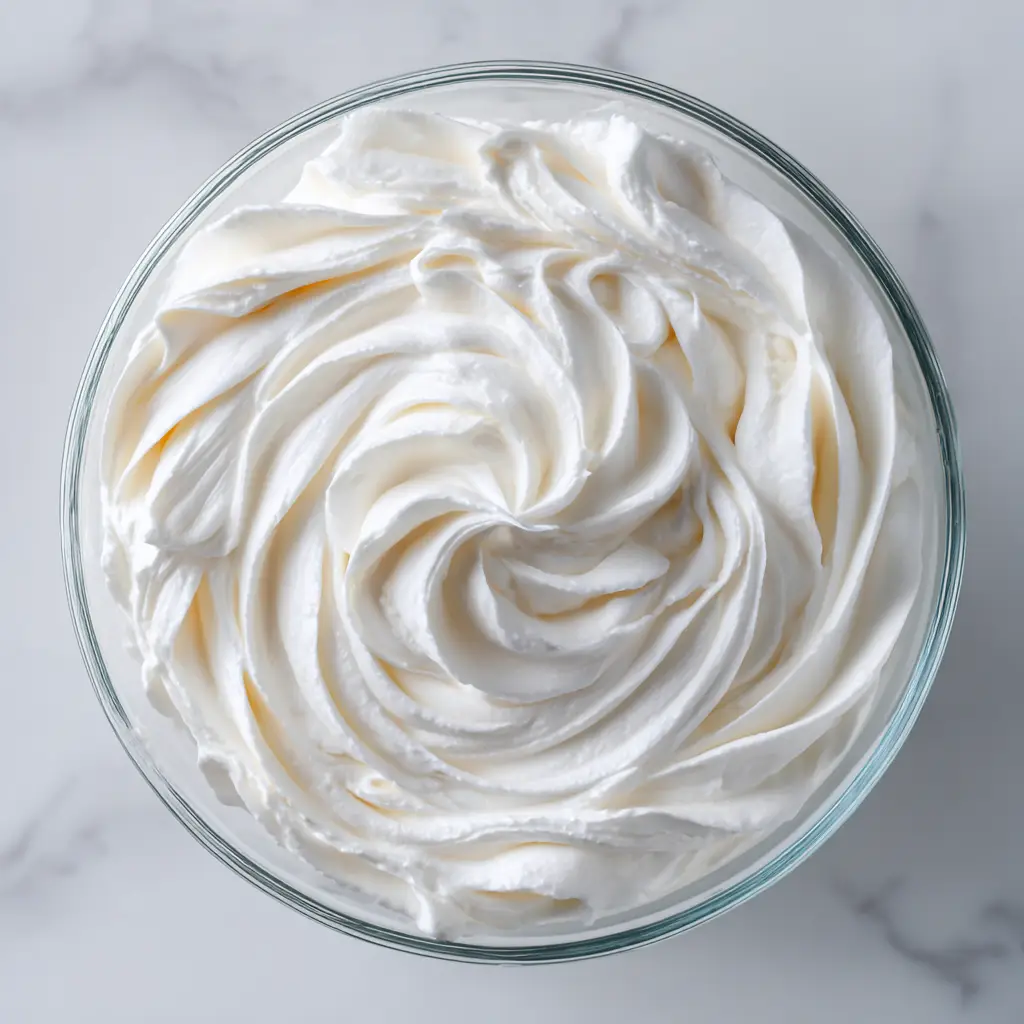
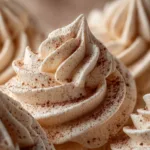
The final result: a luxuriously smooth buttercream ready for any decorating project.
Egg Whites: Use fresh egg whites from large eggs. Pasteurized liquid egg whites from a carton are also a great and safe option.
Granulated Sugar: This dissolves into the egg whites to create the stable meringue base.
Unsalted Butter: Use high-quality, unsalted butter. It should be softened to a cool room temperature (around 65-70°F or 18-21°C) – firm but able to be dented with your finger.
Vanilla Extract: Pure vanilla extract adds a classic, aromatic flavor.
Salt: A pinch of salt enhances all the flavors and balances the sweetness.
How to Make Perfect Swiss Meringue Buttercream
Follow these steps carefully for a flawless finish. The process involves precise temperatures and timing, so read through everything before you begin. Using a stand mixer is highly recommended for this recipe.
Step 1: Gently Heat Egg Whites and Sugar
Set up a double boiler by placing a heatproof bowl (preferably the bowl of your stand mixer) over a saucepan of simmering water. Ensure the bottom of the bowl does not touch the water. Add your egg whites and granulated sugar to the bowl. Whisk constantly until the mixture is hot to the touch and a thermometer reads 160°F (71°C). This step dissolves the sugar and pasteurizes the eggs, making them safe to eat.
Step 2: Whip the Meringue to Stiff Peaks
Transfer the bowl to your stand mixer fitted with the whisk attachment. Start on low speed and gradually increase to high. Whip the mixture for 10-15 minutes, or until the meringue is thick, glossy, and holds stiff peaks. The outside of the mixing bowl should feel completely cool to the touch. This step is crucial; if the meringue is even slightly warm, it will melt the butter.
Achieving these glossy, stiff peaks is the foundation of a perfect Swiss Meringue Buttercream.
Step 3: Gradually Add the Butter
Switch from the whisk to the paddle attachment. With the mixer on medium-low speed, begin adding the softened butter, one tablespoon at a time. Make sure each piece is fully incorporated before adding the next. This slow addition is key to a stable emulsion.
Step 4: Trust the Process (It Might Look Curdled!)
As you add the butter, the mixture may go through some strange-looking stages. It might appear soupy or curdled. Do not panic! This is completely normal. Just keep the mixer running, and the buttercream will magically come together into a silky, cohesive frosting. This process can take several minutes.
Step 5: Add Flavor and Whip to Perfection
Once the buttercream is smooth, add the vanilla extract and salt. Continue to mix on medium-low speed for another 2-3 minutes to remove any air bubbles and make it perfectly smooth for frosting your cake. For an even more decadent dessert, consider pairing this with some salted caramel truffles on the side.
Troubleshooting Common Issues
Even seasoned bakers run into issues. Here’s how to fix the two most common problems with Swiss Meringue Buttercream.
Help! My Buttercream is Soupy or Watery!
This almost always means your meringue was too warm when you added the butter, causing the butter to melt. The fix is simple: place the entire mixing bowl in the refrigerator for 15-20 minutes to chill the mixture, then return it to the mixer and whip again until it thickens into a smooth consistency.
Help! My Buttercream Looks Curdled!
A curdled or broken appearance usually means the butter was too cold when you added it. The fats have seized up and separated from the meringue. To fix this, you can gently warm the outside of the mixing bowl with a hairdryer for a few seconds while the mixer is running, or take out about a cup of the buttercream, microwave it for 10-15 seconds until just melted, and stream it back into the curdled mixture while whipping. It will come back together beautifully.
Flavor Variations
This recipe is a fantastic base for creativity. Try these delicious variations:
Chocolate: Melt 8 ounces of good-quality bittersweet chocolate, let it cool slightly, and mix it into the finished buttercream.
Fruit: Add 1/2 cup of seedless raspberry or strawberry preserves for a fruity twist.
Coffee: Dissolve 2 tablespoons of instant espresso powder in 2 tablespoons of hot water, let it cool, and whip it into the frosting.
This frosting is so versatile, you could even use it to top some delicious pumpkin pie cookies for a festive treat.
Storage and Make-Ahead Tips
Swiss Meringue Buttercream can be made ahead of time. Store it in an airtight container in the refrigerator for up to two weeks or in the freezer for up to three months. Before using, let it come to room temperature completely, then re-whip it in your stand mixer for a few minutes to restore its silky texture.
Swiss Meringue Buttercream is made by cooking egg whites and sugar before whipping them into a meringue and adding butter. This results in a silky, stable, and less sweet frosting. American buttercream is a simpler mixture of powdered sugar, butter, and milk, which is much sweeter and can sometimes be gritty.
Yes, it is perfectly safe. The process involves heating the egg whites and sugar to 160°F (71°C), which pasteurizes the eggs and makes them safe for consumption.
Absolutely. You can store it in an airtight container in the refrigerator for up to 2 weeks or in the freezer for up to 3 months. Let it come to room temperature and re-whip it before using to restore its smooth texture.
A curdled appearance typically happens when the butter is too cold, causing the fats to separate. To fix it, gently warm the outside of the mixing bowl with a hairdryer for a few seconds while mixing, or mix in a small amount of melted buttercream to help it emulsify.
Yes, it is one of the most stable buttercreams available. It holds its shape exceptionally well, making it ideal for piping intricate designs, creating sharp edges on cakes, and holding up in warmer temperatures better than other frostings.
The Perfect Frosting for Your Creations
You are now equipped with the knowledge to make the most divine Swiss Meringue Buttercream. This frosting will elevate your cakes, cupcakes, and desserts from homemade to bakery-quality. We can’t wait to see what you create!
If you loved this recipe, please leave a comment below or share your beautiful creations on Pinterest!
The secret to bakery-quality cakes is a perfectly smooth frosting like this Swiss Meringue Buttercream.
Swiss Meringue Buttercream Recipe
FL Recipes
Swiss Meringue Buttercream: The Silky, Stable, & Not-Too-Sweet Frosting
Learn how to make the smoothest, most stable, and perfectly balanced Swiss Meringue Buttercream. This foolproof recipe is perfect for frosting cakes and cupcakes, with troubleshooting tips for a perfect result every time.
5large egg whitesAbout 150g. Can use pasteurized liquid egg whites.
1.5cupsgranulated sugar300g
2cupsunsalted butter4 sticks or 452g, softened to cool room temperature.
2teaspoonspure vanilla extract
1/4teaspoonsalt
Equipment
1 Stand Mixer Highly recommended for whipping the meringue.
1 Saucepan For creating a double boiler.
1 Kitchen Thermometer Essential for checking the temperature of the egg white mixture.
Method
In a heatproof bowl set over a saucepan of simmering water (double boiler), combine the egg whites and granulated sugar. Whisk constantly until the sugar has completely dissolved and the mixture reaches 160°F (71°C) on a kitchen thermometer.
Transfer the bowl to a stand mixer fitted with the whisk attachment. Whip on high speed for 10-15 minutes, until the meringue is glossy, thick, and forms stiff peaks. The outside of the bowl must be completely cool to the touch.
Switch to the paddle attachment. With the mixer on medium-low speed, add the softened butter one tablespoon at a time, allowing each to incorporate before adding the next.
Continue mixing after all butter is added. The mixture may look curdled or soupy; this is normal. Keep mixing for another 5-10 minutes until it becomes thick, smooth, and silky.
Add the vanilla extract and salt. Mix on low speed for another 2 minutes to make it perfectly smooth.
Nutrition
Calories: 250kcalProtein: 1gFat: 20g
Notes
Troubleshooting Soupy Buttercream: If it's too liquidy, your meringue was likely too warm. Chill the bowl in the refrigerator for 15-20 minutes, then re-whip. Troubleshooting Curdled Buttercream: If it looks broken or curdled, the butter was likely too cold. Gently warm the sides of the bowl with a hairdryer for a few seconds while it's whipping to help it emulsify.
Hi, I’m Emily Carter, and welcome to FL Recipes! I share simple, healthy recipes that make cooking easy, fun, and delicious for everyone. more about me »