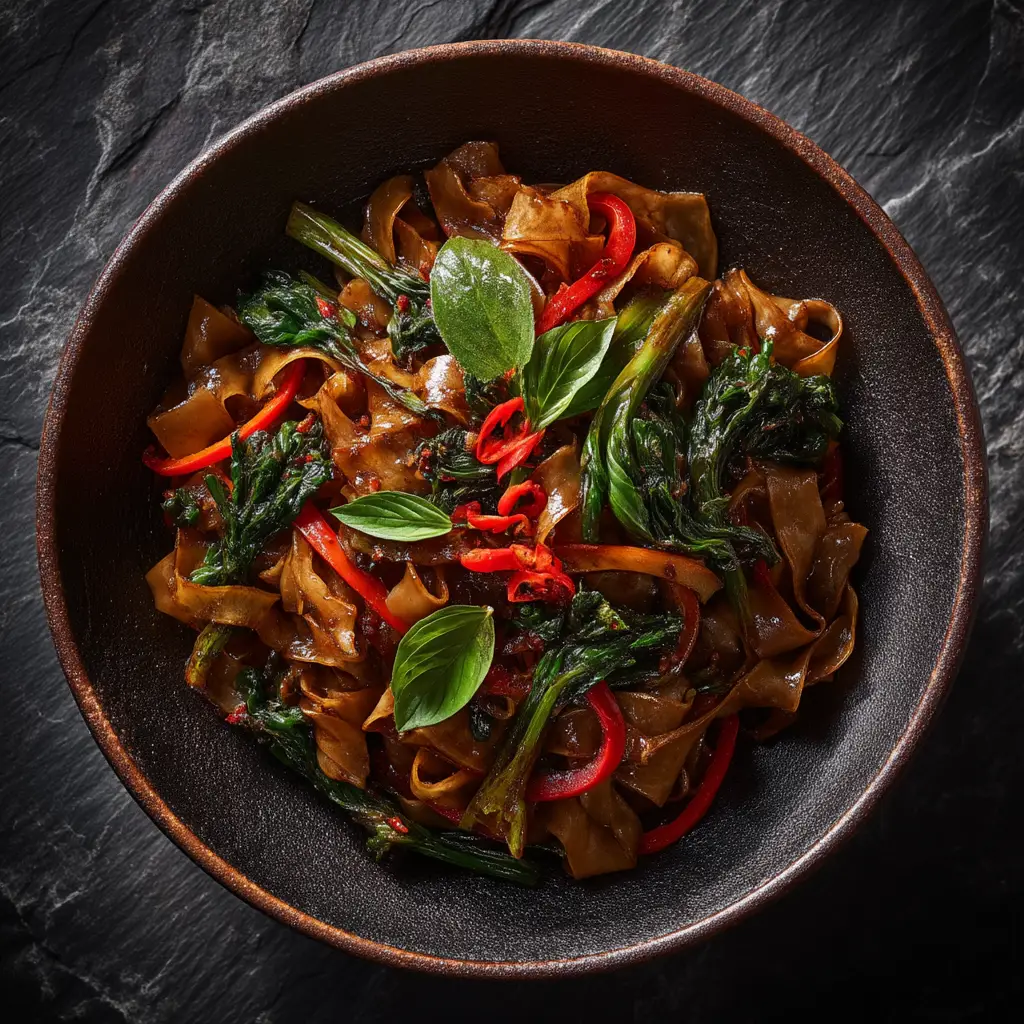
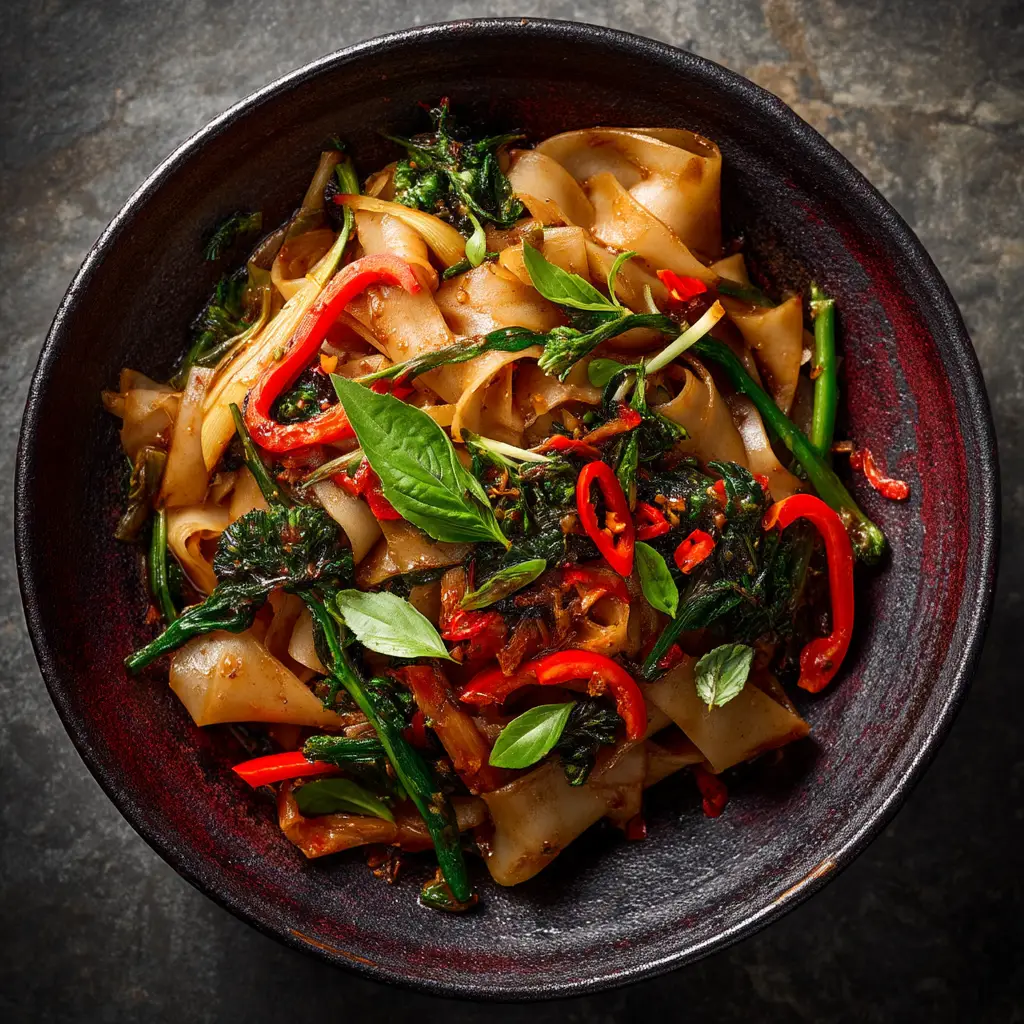
Craving the bold, spicy, and savory flavors of authentic Thai Drunken Noodles? You’ve come to the right place. This recipe delivers that signature Pad Kee Mao taste you love from restaurants, but made fresh in your own kitchen. Forget takeout; this guide will show you how to master the perfect balance of heat, umami, and fresh basil for a truly unforgettable meal.
We will break down everything you need, from creating the perfect sauce to getting that classic wok char on your noodles. Get ready to impress yourself, your family, and your friends with this incredible dish.
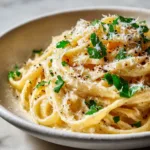
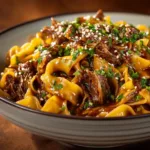
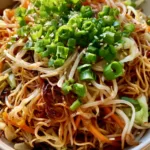
Dinner is served! A perfect plate of spicy, savory Drunken Noodles.
What Are Thai Drunken Noodles?
Thai Drunken Noodles, known natively as Pad Kee Mao (ผัดขี้เมา), is a popular stir-fry dish from Thailand. The name literally translates to “drunken stir-fry.” It’s characterized by its wide, flat rice noodles, a savory and spicy sauce, and the fragrant addition of holy basil. Unlike Pad Thai or Pad See Ew, Drunken Noodles are known for their fiery kick and robust flavor profile, which comes from a potent mix of garlic, chilies, and a rich sauce.
Why Are They Called Drunken Noodles?
There are a few popular theories about the origin of the name, though none are definitively proven. One theory suggests the dish is so spicy it makes you reach for a cold beer to cool down. Another popular story claims it was invented by someone who came home drunk and threw together whatever ingredients they could find in their kitchen. A third theory is that the intense flavor is the perfect, satisfying meal to eat after a night of drinking. Whatever the origin, the name perfectly captures the dish’s bold and unapologetic character.
The Key to Authentic Flavor: Ingredients
Achieving that restaurant-quality taste comes down to using the right ingredients. Here’s a breakdown of the essential components for our Thai Drunken Noodles recipe.
The Noodles
The foundation of this dish is wide, flat rice noodles (sen yai). You can find them fresh or dried in most Asian markets. Fresh noodles are ideal as they have a superior chewy texture. If using dried noodles, be sure to soak them according to the package directions until they are pliable but not mushy.
The Protein
This recipe uses chicken, but it’s incredibly versatile. Thinly sliced beef, pork, shrimp, or even pressed tofu are excellent alternatives. The key is to slice the protein thinly so it cooks quickly and evenly in the hot wok.
The secret to amazing Drunken Noodles is a super-hot wok and constant tossing!
The Sauce
The sauce is where the magic happens. It’s a powerful combination of savory, sweet, and spicy elements that coat every single noodle.
Oyster Sauce: Provides a deep, savory, and slightly sweet umami base.
Fish Sauce: Adds a quintessential Thai saltiness and funk. Don’t skip it!
Soy Sauce: Lends color and a foundational salty flavor.
Dark Soy Sauce: This is more for color than flavor, giving the noodles their signature dark brown hue. A little goes a long way.
Sugar: Just a touch to balance the saltiness and heat.
The Aromatics & Vegetables
Fresh aromatics are non-negotiable for authentic Pad Kee Mao.
Garlic and Bird’s Eye Chilies: These form the spicy, pungent base of the stir-fry. Adjust the number of chilies to your preferred heat level.
Holy Basil: This is the star herb. It has a unique peppery, almost clove-like flavor that is very different from Thai sweet basil or Italian basil. Seek it out at an Asian market if you can. If you must substitute, Thai sweet basil is the next best choice.
Other Veggies: Chinese broccoli (gai lan), bell peppers, and onions add texture, flavor, and color to the dish. For a satisfying side, consider making a refreshing Thai Cucumber Salad.
How to Make Thai Drunken Noodles (Step-by-Step)
This process moves fast, so preparation is key. Have all your ingredients chopped, measured, and ready to go next to your stove before you even think about turning on the heat. This French culinary concept, “mise en place,” is the secret to a successful stir-fry.
First, you’ll prepare your noodles and mix the sauce ingredients in a small bowl. Next, you’ll sear your protein in a very hot wok or large skillet. Then, you’ll add the aromatics, followed by the vegetables. Finally, the noodles and sauce go in for a final toss until everything is well-combined and heated through. The last step is stirring in the fresh holy basil right at the end to preserve its vibrant flavor.
Pro Tips for Restaurant-Quality Results
Want to take your Thai Drunken Noodles to the next level? Follow these tips.
Don’t Overcrowd the Pan: If you’re doubling the recipe, cook in two batches. Overcrowding the pan lowers the temperature, causing the ingredients to steam instead of stir-fry, which means you won’t get that delicious char.
High Heat is Your Friend: A key element of many stir-fried dishes is “wok hei,” or the “breath of the wok.” It refers to the complex, smoky flavor that can only be achieved with extremely high heat. Get your wok or skillet screaming hot before adding the oil.
Prepare Everything First: As mentioned, this recipe comes together in minutes. Have everything ready and within arm’s reach before you start cooking. It’s a game-changer. For another quick and satisfying dinner, check out this Garlic Parmesan Chicken and Potatoes recipe.
Common Variations to Try
Once you’ve mastered the basic recipe, feel free to experiment!
Protein Swaps
This dish is fantastic with other proteins. Try it with thinly sliced flank steak, pork tenderloin, or plump shrimp. Just adjust the cooking time accordingly. These Mediterranean Steak Bowls are another great option if you enjoy experimenting with different proteins.
Vegetarian/Vegan Option
To make this dish vegetarian or vegan, simply substitute the chicken with pressed, firm tofu or a mix of mushrooms (shiitake and cremini work well). Use a vegetarian oyster sauce (mushroom-based) and replace the fish sauce with additional soy sauce or a vegan fish sauce alternative.
What to Serve with Drunken Noodles
Thai Drunken Noodles are a complete meal on their own, packed with protein, carbs, and vegetables. Because the flavors are so bold and spicy, you don’t need much else. However, if you’d like to serve a side, a simple plate of fresh cucumber slices or a light, crisp salad can provide a refreshing contrast to the heat.
The best noodles are wide, flat, fresh rice noodles (called ‘sen yai’). They have a wonderful chewy texture. If you can’t find fresh ones, dried wide rice noodles are the next best option. Be sure to soak them according to the package instructions before cooking.
Yes, traditionally, they are quite spicy. The heat comes from Thai bird’s eye chilies. However, the great thing about making them at home is that you can control the spice level completely. Start with 1-2 chilies for a mild to medium heat and add more if you like it fiery.
The main difference is the flavor profile. Drunken Noodles (Pad Kee Mao) are spicy and savory, characterized by the flavors of chili and holy basil. Pad See Ew is a milder, sweeter, and purely savory dish that uses Chinese broccoli and dark, sweet soy sauce, without the intense heat.
Yes. Rice noodles are naturally gluten-free. To make the entire dish gluten-free, ensure you use a gluten-free soy sauce (tamari), gluten-free oyster sauce, and check that your fish sauce does not contain any gluten additives.
Holy basil has a very unique, peppery flavor that is difficult to replicate. However, if you cannot find it, the best substitute is Thai sweet basil. In a pinch, you could use regular Italian basil, but the flavor profile of the final dish will be noticeably different.
Storing and Reheating
Store any leftover Drunken Noodles in an airtight container in the refrigerator for up to 3 days. To reheat, it’s best to use a skillet or wok over medium-high heat. Add a splash of water to help loosen the noodles and prevent them from sticking. Stir-fry for a few minutes until heated through. Microwaving is possible but can make the noodles a bit soft.
Share Your Culinary Triumph!
You’ve successfully created a mouthwatering plate of Thai Drunken Noodles! The complex flavors and satisfying textures are sure to make this a new favorite in your recipe collection. We’d love to see your masterpiece! Share a photo of your dish and save this recipe to your favorite board on Pinterest. Your shares help us bring more delicious recipes to home cooks like you!
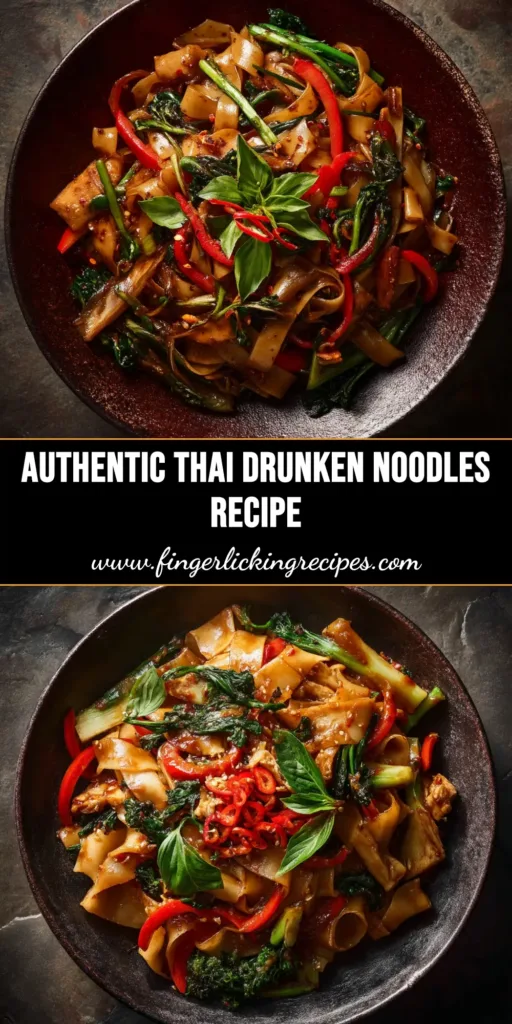
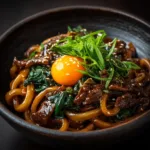
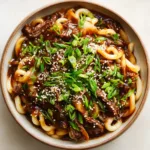
Get ready for a flavor explosion! Our homemade Thai Drunken Noodles are better than takeout.
Thai Drunken Noodles Recipe
FL Recipes
Thai Drunken Noodles (Pad Kee Mao)
Master this authentic Thai Drunken Noodles (Pad Kee Mao) recipe for a spicy, savory, and satisfying meal. Wide rice noodles, chicken, and holy basil in a bold sauce.
1lbfresh wide flat rice noodlesOr 8 oz dried noodles, soaked per package directions
1lbboneless, skinless chicken thighsthinly sliced
4clovesgarlicminced
3-5Thai bird's eye chiliesfinely chopped (adjust to taste)
1cupChinese broccoli (gai lan)cut into 2-inch pieces
1/2red bell peppersliced
1/2yellow onionsliced
2cupsfresh holy basil leaveslightly packed
3tbspvegetable oildivided
3tbspoyster sauce
2tbspsoy sauce
1tbspfish sauce
1tspdark soy sauce
2tspgranulated sugar
Equipment
1 Wok or Large Skillet
1 Large Bowl (for soaking noodles)
1 Small Bowl (for sauce)
Method
If using dried noodles, soak them according to package directions until pliable, then drain. In a small bowl, whisk together all sauce ingredients: oyster sauce, soy sauce, fish sauce, dark soy sauce, and sugar. Set aside. Ensure all vegetables and chicken are chopped and ready.
Heat 1.5 tbsp of oil in a large wok or skillet over high heat until it shimmers. Add the sliced chicken and stir-fry until it's cooked through and lightly browned. Remove the chicken from the wok and set aside.
Add the remaining 1.5 tbsp of oil to the wok. Add the minced garlic and chopped chilies and stir-fry for about 30 seconds until fragrant. Add the onion, bell pepper, and Chinese broccoli. Stir-fry for 2-3 minutes until the vegetables are tender-crisp.
Add the drained noodles and the cooked chicken back to the wok. Pour the prepared sauce over everything.
Toss everything together quickly and thoroughly for 1-2 minutes, ensuring the noodles are fully coated in the sauce and heated through. Turn off the heat and immediately stir in the fresh holy basil leaves until they are just wilted.
Serve immediately while hot, garnished with a few extra basil leaves if desired.
Nutrition
Calories: 580kcalProtein: 38gFat: 22gFiber: 4g
Notes
Mise en Place is Key: This dish cooks very quickly. Have all your ingredients chopped, measured, and ready before you start. Noodle Tip: If using fresh noodles, gently separate them before adding to the wok to prevent clumping. Heat Control: Adjust the number of Thai chilies to your personal spice preference. For a milder version, start with one or two.
Hi, I’m Emily Carter, and welcome to FL Recipes! I share simple, healthy recipes that make cooking easy, fun, and delicious for everyone. more about me »