There is a profound culinary secret hidden within the humble pantry staple known as Canned Baked Beans. While most see a quick side dish, an elite home cook sees a blank canvas waiting for texture, depth, and a professional “gloss” that rivals any slow-cooked barbecue pit recipe.
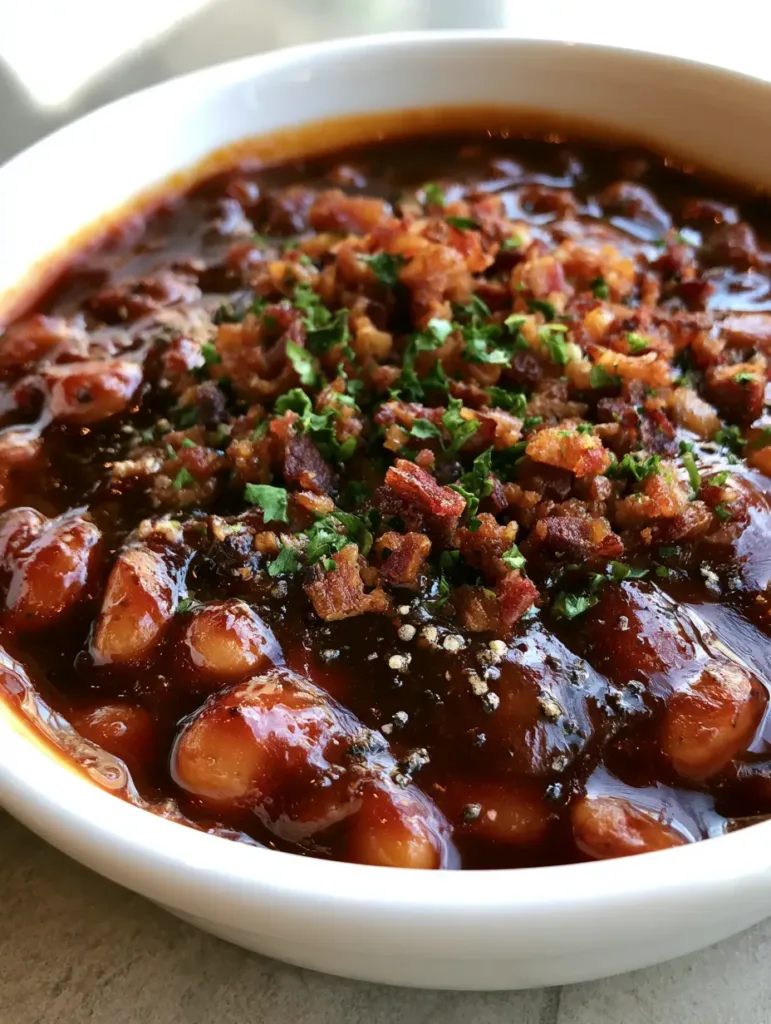
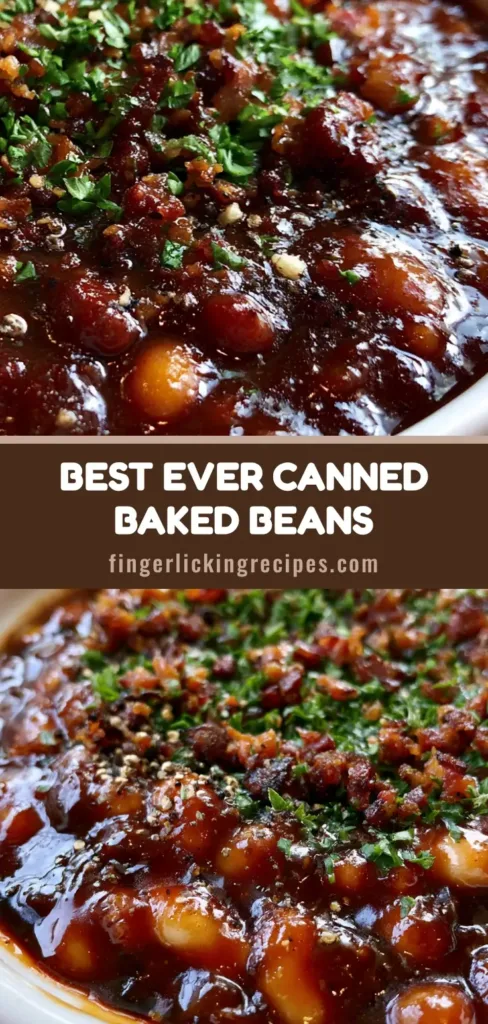
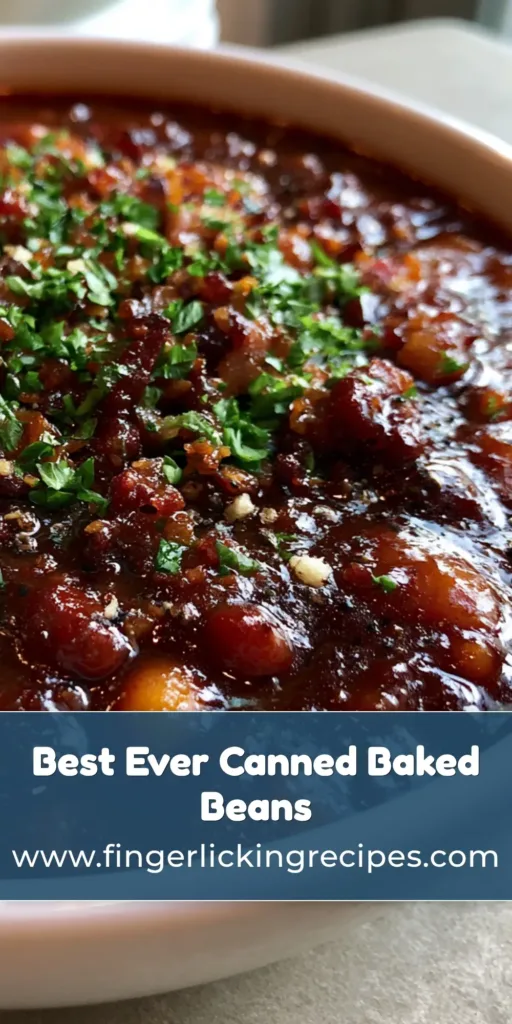
Imagine a bowl where the navy beans are perfectly plump and tender, swimming in a viscous, dark reddish-brown sauce that catches the light with a mirror-like sheen. This isn’t just a heated-up can; this is a transformed masterpiece layered with the smoky crunch of artisanal bacon and the bright, herbal lift of fresh parsley.
Whether you are preparing for a high-stakes backyard gathering or a cozy weeknight meal, mastering the art of the elevated Canned Baked Beans ensures you bring a gourmet touch to the table in a fraction of the time. The visual appeal alone—the contrast of the coarse cracked black pepper against the deep crimson sauce—will have your guests reaching for their phones to capture the perfect food photo before the first bite.
A light dusting of fresh parsley and coarse pepper adds professional flair.
Why This Elevated Canned Baked Beans Recipe Works
Viscous Sauce Technology: We move beyond watery canned liquids by introducing natural sugars and gentle reduction, creating that signature glossy, thick coating.
Textural Contrast: The “soft navy beans” provide a creamy base that perfectly offsets the “crispy browned bacon crumbles” added just before serving.
Aromatic Balance: By finishing with “finely minced fresh parsley” and “coarse cracked black pepper,” we cut through the richness of the molasses-based sauce with essential freshness.
Professional Sheen: A touch of fat and controlled heat ensures the sauce doesn’t just sit on the beans but glazes them in a beautiful, dark reddish-brown hue.
The Essential Ingredients for a Rich, Smoky Bean Glaze
Canned Navy Beans: 2 cans (15 oz / 425g each) of high-quality navy beans in tomato sauce. These serve as our structural foundation, providing the soft, tender legume profile required for the classic look.
Thick-Cut Bacon: 4 strips (approx. 150g) of applewood or hickory-smoked bacon. When rendered properly, these provide the “crispy browned bacon crumbles” that offer both salt and essential smoky fat.
Unsulfured Molasses: 2 tbsp (30ml) of dark molasses. This is the secret to achieving that “dark reddish-brown sauce” and the deep, earthy sweetness that distinguishes premium beans.
Dark Brown Sugar: 1/4 cup (50g) of packed dark brown sugar. The extra molasses content in dark brown sugar aids in the viscosity and the “glossy” sheen of the final reduction.
Dijon Mustard: 1 tbsp (15g) of sharp Dijon. This “invisible” ingredient provides acidity and an emulsifier to help the sauce cling to the beans without becoming greasy.
Fresh Flat-Leaf Parsley: 2 tbsp (5g) “finely minced fresh parsley.” This isn’t just a garnish; the chlorophyll provides a necessary visual and flavor contrast to the heavy, sweet sauce.
Coarse Cracked Black Pepper: 1 tsp (2g) of freshly cracked peppercorns. Using “coarse” granules ensures the pepper remains visible on the surface, adding a pungent bite that cuts through the sugar.
Apple Cider Vinegar: 1 tsp (5ml) of vinegar. A foundational acid that brightens the entire profile and helps the “viscous” sauce feel light on the palate.
Professional Tools for Achieving Glossy Perfection
To achieve the visual result seen in our handheld smartphone photo, you need a heavy-bottomed skillet or a cast-iron pan. These tools distribute heat evenly, allowing the sugars to caramelize without scorching, which is vital for that deep reddish-brown color.
You will also require a sharp chef’s knife to achieve the “finely minced” texture for the parsley. A manual pepper mill set to a coarse grind is non-negotiable for getting those distinct, visible granules of black pepper on the surface of your Canned Baked Beans.
Mastering the Art of Upgraded Canned Baked Beans
Rendering the Perfect Bacon Crumbles
Begin by placing your chopped bacon into a cold skillet and bringing it up to medium heat. This allows the fat to render out slowly, ensuring the bacon becomes “crispy and browned” rather than chewy and burnt.
Once the bacon has reached a deep golden hue and a shattered-glass crispness, remove it with a slotted spoon and drain it on a paper towel. Reserve approximately one tablespoon of the rendered fat in the pan for the next phase of the Canned Baked Beans transformation.
Developing the Glossy Sauce Base
Lower the heat and add your molasses, brown sugar, Dijon mustard, and apple cider vinegar to the skillet with the reserved bacon fat. Stir constantly until the sugar has fully dissolved and the mixture begins to bubble slightly at the edges.
At this stage, the sauce should look incredibly “viscous” and dark. This is the Maillard reaction in progress, concentrating the flavors and creating the glossy sheen that makes the dish look professionally prepared.
Simmering the Plump Navy Beans
Gently fold in the Canned Baked Beans (including their liquid) into the pan. Stir slowly with a silicone spatula to avoid breaking the delicate skins of the navy beans, as we want them to remain “plump and tender.”
Simmer over low heat for 10-12 minutes. You are looking for a visual cue: the sauce should reduce until it coats the back of a spoon in a thick, “viscous” layer that reflects the light. If the sauce is too thin, it won’t have that “glossy” look; if it’s too thick, add a tablespoon of water to loosen the tension.
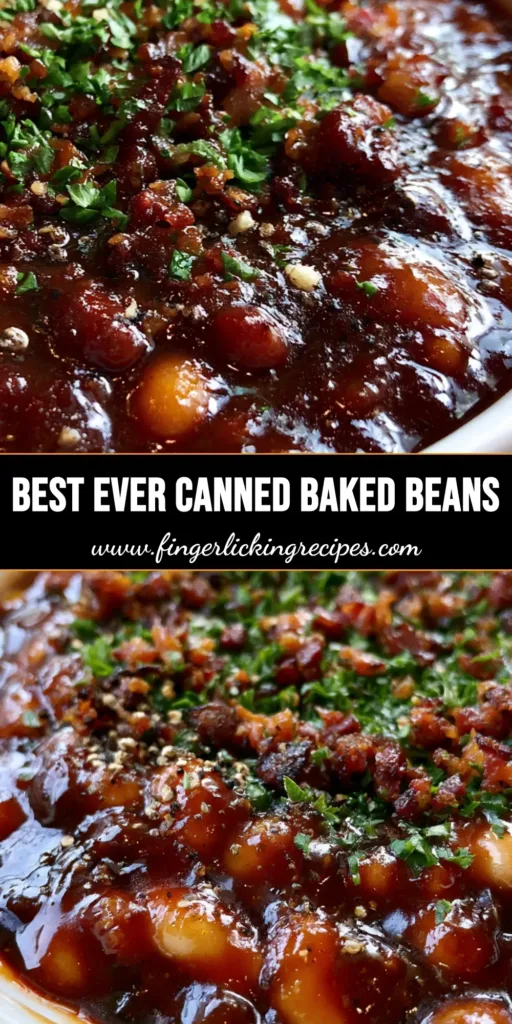
Look for a viscous sheen on the sauce to ensure a perfect glaze.
The Final Flourish and Assembly
Transfer the beans into a white ceramic bowl to make the reddish-brown colors pop. Just before serving, layer the surface with your “small, crispy bits of browned bacon.”
Finish with a “light dusting of finely minced fresh green parsley” and a few deliberate “granules of coarse black pepper scattered on top.” The natural daylight will catch the sheen of the sauce, creating the exact handheld smartphone photo aesthetic we desire.
Expert Tips for Culinary Success
Temperature Control: Never boil the beans vigorously. High heat can cause the bean skins to rupture, turning your “plump beans” into a mushy paste.
The Resting Period: Let the beans sit for 3-5 minutes after removing them from the heat. This allows the starches to settle, further enhancing the glossy, viscous texture.
Freshness Matters: Only mince the parsley at the very last second. Pre-chopped parsley loses its vibrant green color and “finely minced” definition quickly.
Salt Management: Canned beans and bacon are both high in sodium. Taste your sauce before adding any additional salt; usually, the bacon provides more than enough.
Best Ways to Keep and Reheat Your Leftovers
If you have leftover Canned Baked Beans, they can be stored in an airtight container in the refrigerator for up to 4 days. In fact, the flavors often deepen overnight as the beans continue to absorb the molasses and smoky bacon notes.
When reheating, do so gently on the stovetop over low heat. You may need to add a splash of water or apple juice to restore the “glossy” consistency, as the sauce will naturally thicken and set when cold.
Perfect Pairings for a Backyard Feast
These Canned Baked Beans are a versatile side dish that complements almost any protein. For a high-protein summer spread, try serving them alongside a lemon garlic butter salmon (coming soon) or perhaps some juicy marinated grilled pork chops.
If you are looking for a more casual lunch, these beans pair beautifully with a hearty chicken torta (coming soon). For those who enjoy a bit of heat with their sweet, serving these beans next to a roasted jalapeno cream cheese dip (coming soon) creates a fantastic flavor contrast for your appetizers.
Simmer the beans uncovered over low heat to allow the liquid to reduce. Adding sugars like molasses or brown sugar helps create a viscous, glossy consistency as they caramelize.
Yes! Omit the bacon and use a teaspoon of smoked paprika or liquid smoke to replicate the smoky flavor. Use a vegan-friendly Worcestershire sauce if desired.
A combination of fat (like rendered bacon fat) and sugar (molasses) creates a natural emulsion that coats the beans in a mirror-like glaze when reduced properly.
While you can, the stovetop is better for achieving the ‘glossy’ reduction. If using a slow cooker, cook on high for 2 hours with the lid slightly ajar to let moisture escape.
The Ultimate Elevated Canned Baked Beans Recipe
FL Recipes
Canned Baked Beans Reimagined with Crispy Bacon and Glossy Glaze
Transform standard Canned Baked Beans into a gourmet side dish with a thick, glossy reddish-brown sauce, crispy bacon crumbles, and fresh parsley. Perfectly balanced sweetness and smoke in just 30 minutes.
2cans (15 oz / 425g each)Navy beans in tomato sauceStandard canned baked beans
4strips (150g)Thick-cut baconChopped into small pieces
2tbsp (30ml)Unsulfured molassesProvides deep color and earthiness
1/4cup (50g)Dark brown sugarPacked
1tbsp (15g)Dijon mustardFor emulsification and tang
1tsp (5ml)Apple cider vinegarBalance the sweetness
2tbsp (5g)Fresh parsleyFinely minced
1tsp (2g)Coarse black pepperFreshly cracked
Equipment
1 Heavy-bottomed Skillet Cast iron is preferred for even caramelization.
1 Chef's Knife For finely mincing the parsley.
Method
Prep and Render
Place chopped bacon in a skillet over medium heat. Sauté until deep golden-brown and crispy. Remove bacon with a slotted spoon and drain on paper towels.
Drain all but 1 tbsp of bacon fat. Stir in molasses, brown sugar, mustard, and vinegar. Whisk until the sauce is glossy and bubbling slightly.
Simmer and Finish
Add the canned beans to the skillet. Stir gently to coat. Simmer for 10-15 minutes until the sauce is thick, viscous, and dark reddish-brown.
Transfer to a bowl. Top with the crispy bacon bits, finely minced parsley, and a scattering of coarse cracked black pepper.
Nutrition
Calories: 285kcalProtein: 11gFat: 9gFiber: 8g
Notes
Do not overcook the beans or they will lose their plump shape. Add a splash of water if the sauce becomes too sticky while simmering.
The ultimate way to upgrade canned baked beans for your next BBQ.The ultimate way to upgrade canned baked beans for your next BBQ.
Bring the Barbecue Home Today!
There is no reason to settle for mediocre side dishes when a few simple techniques can elevate Canned Baked Beans into a gourmet experience. The combination of “thick glossy reddish-brown sauce” and “crispy browned bacon” creates a sensory delight that satisfies every time.
If you enjoyed this recipe, please leave a comment below and let us know how your beans turned out! Don’t forget to follow us and share your creations on Pinterest to help other home cooks elevate their pantry staples.
The ultimate way to upgrade canned baked beans for your next BBQ.
Hi, I’m Emily Carter, and welcome to FL Recipes! I share simple, healthy recipes that make cooking easy, fun, and delicious for everyone. more about me »