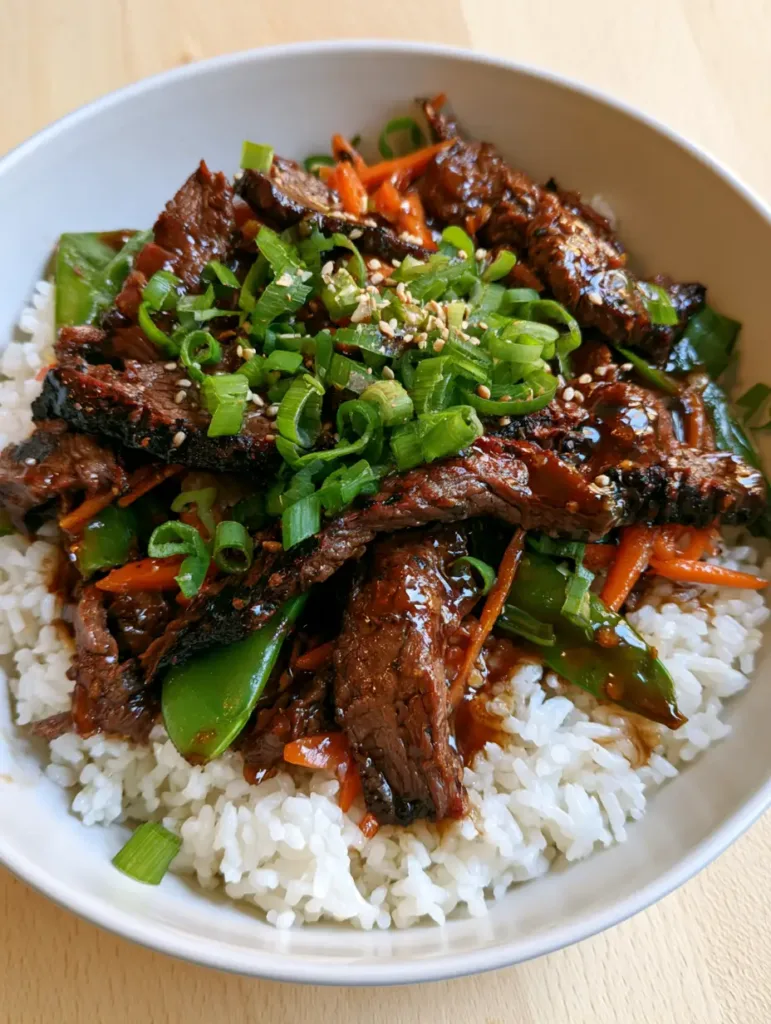
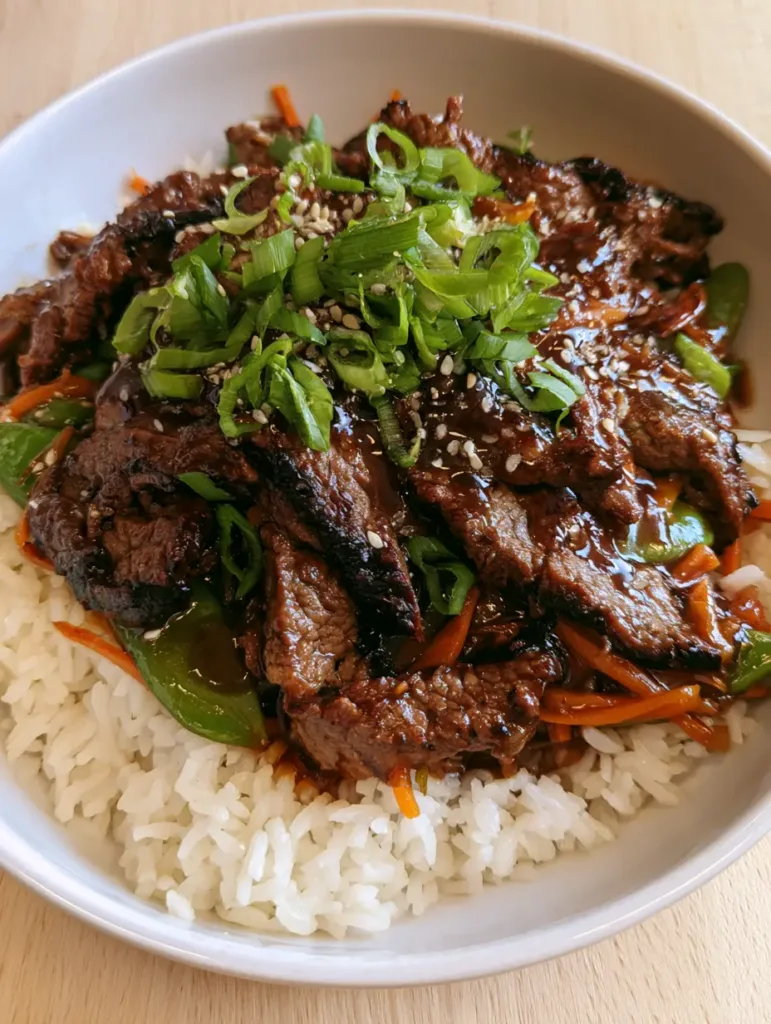
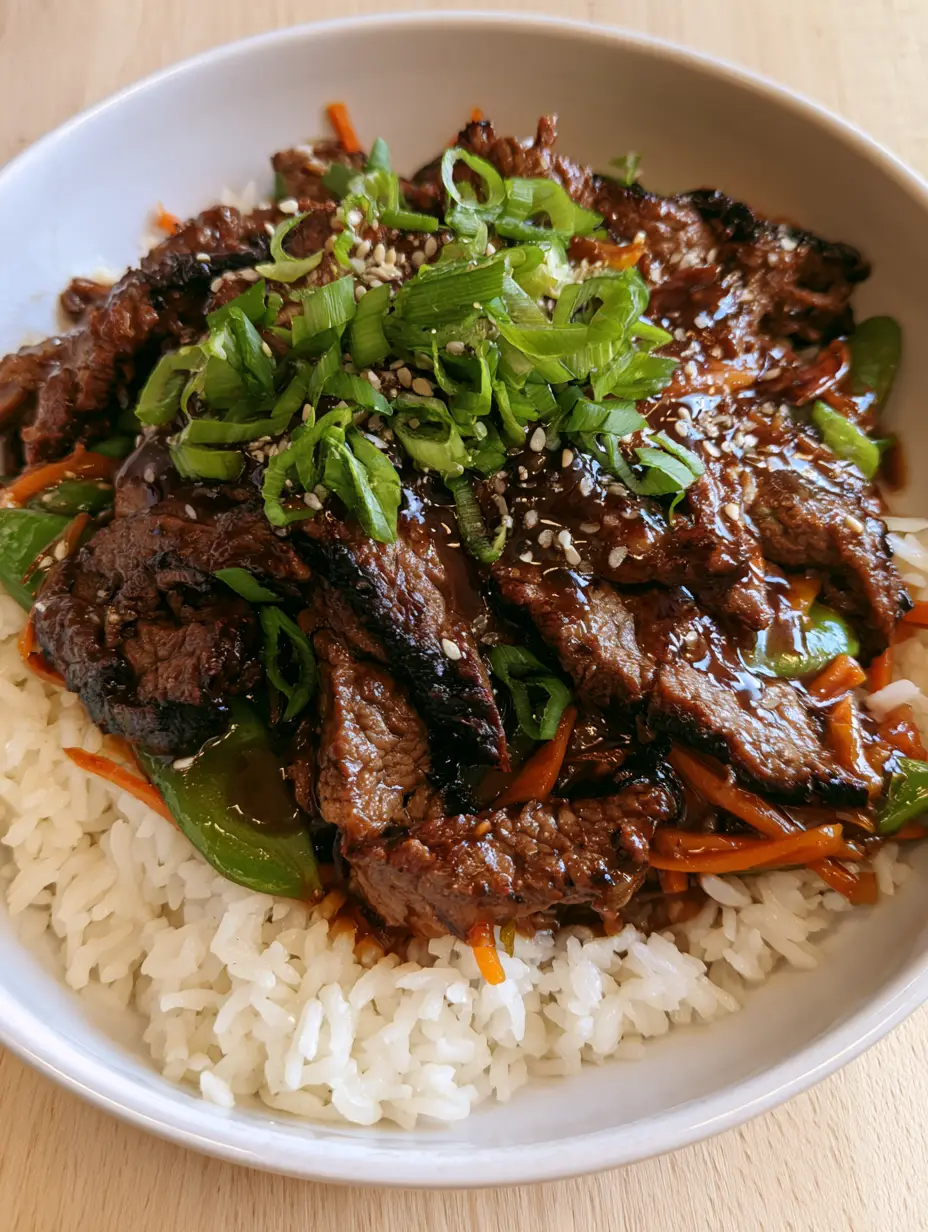
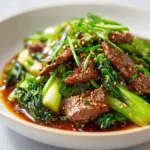
Experience the magic of a restaurant-quality meal right in your own kitchen with this authentic Chinese Beef Recipe. Imagine tender, thin-sliced strips of beef flank steak, boasting those coveted dark seared edges and coated in a glossy, viscous dark brown soy-garlic glaze. It is the kind of dish that looks as good as a high-end food blog photo, even when captured as a quick handheld smartphone snap.
Every bite of this stir fry offers a symphony of textures, from the snap of vibrant green peas to the soft, fluffy bed of individual jasmine rice grains. By mastering the balance of aromatics and the science of a high-heat sear, you can recreate this visually stunning and flavor-packed meal in under 30 minutes. Let’s dive into the culinary secrets that make this dish a weeknight staple.
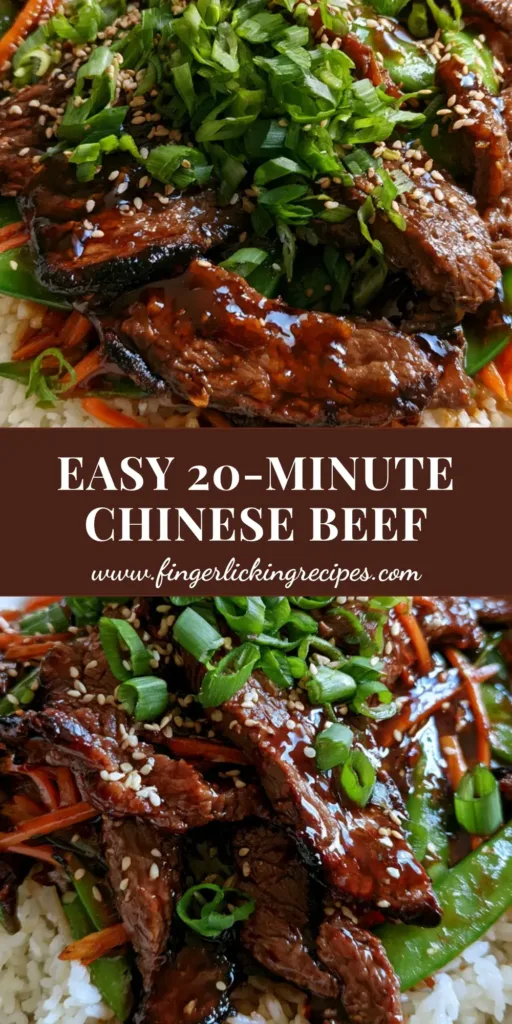
The thick, viscous soy garlic glaze is what makes this Chinese Beef Recipe truly stand out.
Why This Soy Garlic Steak Stir Fry Works
Perfectly Seared Steak: We utilize high-heat techniques to ensure the flank steak develops a rich, caramelized crust while remaining incredibly tender inside.
High-Gloss Glaze: The soy-garlic sauce is engineered for maximum viscosity, clinging to every strip of beef for a professional, “food-stylist” finish.
Visual Contrast: The combination of julienned orange carrots and bright green snap peas provides a vibrant color palette that pops against the dark, savory beef.
Textural Balance: From the crunch of toasted white sesame seeds to the softness of steamed jasmine rice, every mouthful offers a satisfying variety of mouthfeel.
The Essential Pantry for Bold Chinese Flavors
To achieve the specific visual and flavor profile of this Chinese Beef Recipe, selecting the right ingredients is paramount. We aren’t just looking for taste; we are looking for the structural integrity of the sauce and the specific sear on the meat.
1 lb (454g) Flank Steak: This lean, flavorful cut is ideal for stir-frying. Ensure you slice it thinly against the grain to break up the tough muscle fibers, resulting in melt-in-your-mouth tenderness.
2 cups (300g) Snap Peas: These provide the “crisp green” element described in our blueprint. They require very little cooking time to maintain their vibrant hue and snap.
2 large (120g) Carrots, Julienned: Cutting carrots into matchsticks ensures they cook at the same rate as the beef and peas while adding a delicate sweetness.
3 cloves (15g) Fresh Garlic: Minced finely, garlic provides the foundational pungent aroma that defines the “soy garlic” profile of our glossy glaze.
1 tbsp (6g) Fresh Ginger: Grated ginger adds a subtle heat and aromatic depth that balances the saltiness of the soy sauce.
1/2 cup (120ml) Low-Sodium Soy Sauce: This is the base of our dark glaze, providing the umami and the deep brown color visible in the final dish.
2 tbsp (25g) Brown Sugar: The sugar is essential for the “viscous” texture of the sauce and aids in the caramelization of the beef edges.
1 tbsp (8g) Cornstarch: This “invisible” ingredient is the secret to a thick, glossy sauce that doesn’t run off the meat.
3 cups (450g) Steamed Jasmine Rice: The foundation of the bowl. Rinsing the rice before steaming ensures individual grains rather than a sticky mass.
2 tbsp (30ml) Neutral Oil: Use an oil with a high smoke point, like avocado or grapeseed oil, to achieve the dark seared edges without burning the fat.
Garnishes: A generous scattering of 3 sliced green scallions and 1 tsp (3g) toasted white sesame seeds provides the final professional touch.
Must-Have Tools for the Perfect Sear
Achieving the visual perfection of a professional Chinese Beef Recipe requires a few specific kitchen tools. The goal is high heat and rapid movement to prevent the vegetables from becoming soggy.
A heavy-bottomed carbon steel wok or a large cast-iron skillet is your best friend here. These materials retain heat exceptionally well, allowing you to sear the beef strips quickly to get those dark, caramelized edges without overcooking the center. You will also need a sharp chef’s knife to achieve the precise julienne on the carrots, ensuring they look uniform and delicate in the bowl.
For the rice, a dedicated steamer or a pot with a tight-fitting lid is necessary. If you enjoy experimenting with different textures, you might also like trying this crispy coconut tofu bowl for a vegetarian variation. A small whisk is also helpful for fully incorporating the cornstarch into the soy sauce to avoid any unsightly white clumps in your glossy glaze.
The Art of Slicing and Prepping
Mastering the Flank Steak Cut
Before you even turn on the stove, the way you handle the beef determines the success of this Chinese Beef Recipe. Place the flank steak in the freezer for 15-20 minutes; this firms up the meat, making it much easier to slice into thin, uniform strips.
Locate the grain of the meat—the long muscle fibers running across the steak. Slice perpendicular to these fibers. This technique shortens the fibers, ensuring that even with a quick sear, the beef remains tender rather than chewy.
Vegetable Precision: The Julienne and the Snap
The julienned carrots should be about 2 inches (5cm) long and very thin. This ensures they soften slightly in the pan but retain a bit of “bite.” For the snap peas, simply trim the stem end and remove the “string” if necessary, keeping them whole for that vibrant visual appeal.
Look for those dark seared edges to ensure maximum flavor in your Chinese Beef Recipe.
Step-by-Step Instructions to Visual Perfection
1. Steaming the Perfect Jasmine Foundation
Start by rinsing your jasmine rice under cold water until the water runs clear. This removes excess surface starch, which is the key to achieving “individual grains” rather than a mushy texture. Combine the rice with water in a 1:1.5 ratio, bring to a boil, then reduce to a simmer, covered, for 15 minutes. Let it sit for 5 minutes before fluffing with a fork.
2. Whisking the Soy Garlic Glaze
In a small bowl, whisk together the soy sauce, brown sugar, minced garlic, grated ginger, and cornstarch. Ensure the cornstarch is completely dissolved. This slurry is what will transform into the thick, glossy, viscous dark brown glaze as soon as it hits the hot pan.
3. Achieving the High-Heat Sear
Heat your wok or skillet over high heat until a drop of water evaporates instantly. Add the neutral oil and swirl to coat. Add the beef strips in a single layer, making sure not to crowd the pan. Let the beef sit undisturbed for 60-90 seconds. You are looking for the visual cue of dark, charred edges forming—this is the Maillard reaction in action.
4. Tossing the Aromatics and Vegetables
Flip the beef and move it to the side of the pan. Add the julienned carrots and snap peas. Stir fry for just 2 minutes. The peas should turn a vibrant, bright green, and the carrots should just begin to lose their rigidity. This rapid cooking preserves the vitamins and the “crunch” that makes this Chinese Beef Recipe so refreshing.
5. The Glossy Finish
Pour the soy garlic sauce over the beef and vegetables. Toss everything constantly for 1 minute. You will see the sauce transform from a thin liquid into a thick, glossy glaze that coats every ingredient. The sauce should look viscous and dark brown, reflecting the light as described in our smartphone photography prompt.
Expert Tips for Success
Dry the Beef: Before searing, pat the beef strips dry with a paper towel. Moisture is the enemy of a good sear; if the beef is wet, it will steam rather than brown.
Don’t Overcook the Peas: Snap peas go from vibrant green to dull olive in a matter of seconds. Remove the pan from heat as soon as they reach that electric green stage.
Work in Batches: If you are doubling the recipe, sear the beef in two batches. Overcrowding the pan drops the temperature, preventing those dark seared edges from forming.
Balance the Salt: If the sauce feels too salty, add a splash of rice vinegar or a squeeze of lime to brighten the flavors.
Serving and Pairing Suggestions
To serve, create a generous bed of the fluffy jasmine rice in a shallow white ceramic bowl. Layer the glossy beef and vibrant vegetables on top, ensuring the carrots and peas are visible. Finish with a “generous scattering” of scallions and sesame seeds to match the visual blueprint.
If you’re looking for a complete feast, this dish pairs beautifully with other savory sides. For a unique fusion twist, you might serve these garlic butter steak bites as an appetizer. If you have leftover rice, it makes a fantastic base for taco-inspired sides the next day. For dessert, a light and airy chantilly cream topped fruit bowl provides a refreshing palate cleanser after the salty soy glaze.
Practical Storage and Reheating Advice
This Chinese Beef Recipe is excellent for meal prep. Store leftovers in an airtight container in the refrigerator for up to 3 days. When reheating, do so in a hot skillet with a splash of water to loosen the glaze. Microwave reheating can sometimes make the beef slightly rubbery, so the stovetop is preferred.
While you can freeze the beef and sauce, the snap peas will lose their texture upon thawing. If you plan to freeze this meal, consider adding the vegetables fresh when you reheat the dish.
The secret is the cornstarch slurry. Ensure the sauce reaches a boil in the pan; the heat activates the cornstarch to create that viscous, dark brown shine.
While you can, fresh snap peas are highly recommended to achieve the ‘crisp green’ texture and vibrant color seen in the photos. Frozen peas tend to be softer.
You likely skipped the rinsing step. Rinsing the jasmine rice removes excess starch, which is essential for that fluffy, separated texture.
The Perfect Chinese Beef Stir Fry Recipe
FL Recipes
Chinese Beef Recipe: The Ultimate Soy Garlic Flank Steak Stir Fry
A visually stunning Chinese Beef Recipe featuring tender seared flank steak, a glossy soy-garlic glaze, and vibrant snap peas served over fluffy jasmine rice. Perfect for a quick, restaurant-quality weeknight dinner.
A perfect weeknight Chinese Beef Recipe with a high-gloss soy garlic glaze.
Conclusion and Call to Action
There you have it—a Chinese Beef Recipe that delivers on both flavor and visual appeal. From the dark seared steak edges to the vibrant snap peas and the ultra-glossy soy garlic glaze, this is a dish you’ll want to photograph before you devour. The balance of salty, sweet, and aromatic notes makes it a guaranteed family favorite.
Did you make this recipe? We would love to see your results! Leave a comment below and let us know how your sear turned out. Don’t forget to share your own handheld smartphone photos of this dish on Pinterest and tag us! For more weeknight inspiration, sign up for our newsletter to get elite recipes delivered straight to your inbox.
Hi, I’m Emily Carter, and welcome to FL Recipes! I share simple, healthy recipes that make cooking easy, fun, and delicious for everyone. more about me »