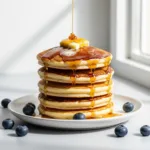
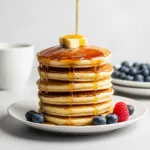
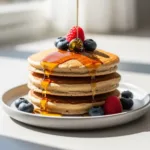
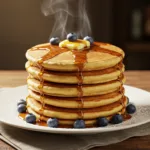
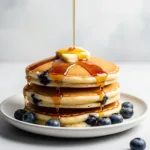
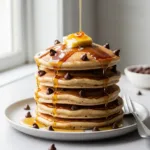
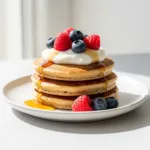
Welcome to the last buttermilk pancake recipe you will ever need. If you dream of starting your day with a tall stack of incredibly light, fluffy, and tender pancakes with golden-brown edges, you’ve come to the right place. This recipe unlocks the science behind why buttermilk is the secret ingredient for creating restaurant-quality pancakes right in your own kitchen. It’s simple, foolproof, and absolutely delicious.
Forget the boxed mixes. With just a handful of staple ingredients, you can whip up a batch of these classic homemade buttermilk pancakes that will have everyone at the breakfast table asking for more. Let’s get flipping!
Why This is the Best Buttermilk Pancake Recipe
There are countless recipes out there, but this one stands out for a few key reasons. It has been tested and perfected to guarantee success every single time.
Unbelievably Fluffy: The magic combination of buttermilk, baking soda, and baking powder creates an incredible lift, resulting in the airy, fluffy pancakes of your dreams.
Simple, Everyday Ingredients: No fancy or hard-to-find items here. You likely have everything you need in your pantry and fridge right now.
Rich, Tangy Flavor: Buttermilk adds a subtle, pleasant tang that beautifully complements sweet toppings like maple syrup and fresh fruit.
Foolproof Method: By following a few simple tips, like not overmixing the batter, you’re guaranteed a perfect stack every time.
Key Ingredients for Fluffy Buttermilk Pancakes
Understanding the role of each ingredient is the first step to pancake perfection. It’s the chemistry between these simple items that creates the magic.
Simple ingredients are all you need for perfect buttermilk pancakes.
All-Purpose Flour: Provides the structure for the pancakes.
Granulated Sugar: Adds just a hint of sweetness and helps the pancakes brown beautifully.
Baking Powder & Baking Soda: These are our leavening agents. Baking powder gives the initial lift, while baking soda reacts with the acid in the buttermilk to create extra bubbles for an incredibly fluffy texture.
Salt: A crucial ingredient that balances the sweetness and enhances the overall flavor.
Buttermilk: The star of the show! Its acidity not only activates the baking soda for maximum fluffiness but also breaks down gluten in the flour, resulting in a more tender pancake.
Large Egg: Binds the ingredients together and adds richness. Having it at room temperature helps it incorporate more easily.
Melted Butter: Adds flavor and contributes to a soft, tender crumb.
How to Make This Buttermilk Pancake Recipe
FL Recipes
Buttermilk Pancake Recipe: The Secret to Perfectly Fluffy Stacks
The last buttermilk pancake recipe you'll ever need. This foolproof recipe uses simple ingredients to create incredibly light, fluffy, and tender pancakes with a rich, tangy flavor.
2tablespoonsunsalted buttermelted, plus more for the griddle
Equipment
1 Large Mixing Bowl
1 Medium Mixing Bowl
1 Whisk
1 Large non-stick skillet or griddle
1 Spatula
Method
In a large bowl, whisk together the all-purpose flour, granulated sugar, baking powder, baking soda, and salt until well combined.
In a separate medium bowl, whisk the buttermilk and the egg until just combined. Then, slowly whisk in the melted butter.
Pour the wet ingredients into the dry ingredients. Mix with a whisk or spatula only until the flour is just moistened. The batter should be thick and lumpy—do not overmix!
Let the batter rest for 5-10 minutes. This step is crucial for fluffy pancakes.
Heat a large non-stick skillet or griddle over medium heat. Lightly grease with butter. Pour about 1/4 cup of batter per pancake onto the hot griddle. Cook for 2-3 minutes, or until you see bubbles forming on the surface and the edges look set.
Flip the pancakes carefully and cook for another 1-2 minutes on the other side, until golden brown and cooked through.
Serve the pancakes warm with your favorite toppings like butter, maple syrup, and fresh fruit.
Nutrition
Calories: 185kcalProtein: 6gFat: 5gFiber: 1g
Notes
Do Not Overmix: A few lumps are good! Overmixing develops gluten and will make your pancakes tough, not fluffy. Griddle Temperature: Ensure your griddle is properly preheated. A drop of water should sizzle and dance before evaporating. Room Temperature Ingredients: Using room temperature buttermilk and egg helps the batter come together more smoothly.
Keyword fluffy pancakes,homemade pancakes,pancakes from scratch
Achieving that perfect, cloud-like texture isn’t hard, but it does require paying attention to a few key details. Follow these expert tips for pancake success.
1. Do Not Overmix the Batter
This is the most important rule of pancake making. Mix the wet and dry ingredients only until they are just combined. A few small lumps in the batter are perfectly fine—in fact, they are a sign you’ve done it right! Overmixing develops gluten, which leads to tough, chewy, and flat pancakes.
2. Let the Batter Rest
Letting the batter sit for 5-10 minutes after mixing allows the gluten to relax and the leavening agents to start working their magic. This simple step helps create a more tender and fluffy pancake.
3. Get the Griddle Temperature Just Right
A griddle or non-stick skillet that is too hot will burn the outside of your pancakes before the inside is cooked. Too cool, and they won’t get that beautiful golden-brown color. Aim for medium heat. You can test it by flicking a drop of water onto the surface; it should sizzle and evaporate immediately.
4. Butter the Pan Between Batches
For evenly golden pancakes and to prevent sticking, wipe the pan with a paper towel and add a small amount of butter between each batch. This ensures every pancake is as perfect as the first.
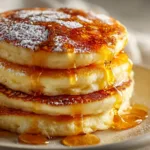
The perfect golden-brown finish on our buttermilk pancakes.
Common Pancake Problems & How to Fix Them
Even the best of us run into pancake trouble sometimes. Here’s a quick guide to diagnose and fix the most common issues.
Problem
Likely Cause
Solution
Flat & Lifeless Pancakes
The batter was overmixed, or your leavening agents (baking powder/soda) are expired.
Mix only until just combined. Check the expiration date on your leaveners and replace if necessary.
Gummy or Chewy Texture
Overmixing the batter developed too much gluten.
Resist the urge to stir out all the lumps! A lumpy batter is a happy batter.
Burnt Outside, Raw Inside
Your pan or griddle is too hot.
Lower the heat to medium and allow the pan to cool slightly before starting the next batch.
Buttermilk Substitutions: What If I Don’t Have Buttermilk?
Don’t let an empty buttermilk carton stop you! While real buttermilk provides the best flavor and texture, you can easily make a substitute in a pinch. This is the most reliable method:
Measure 1 tablespoon of either fresh lemon juice or white vinegar into a liquid measuring cup.
Add whole or 2% milk until you reach the 1 cup line.
Stir gently and let it sit for 5-10 minutes. The milk will curdle slightly and thicken, and it’s ready to use in your buttermilk pancake recipe.
Variations and Topping Ideas
This classic recipe is a perfect canvas for your creativity. Feel free to add mix-ins to the batter just before cooking.
Fruit-Filled: Gently fold in fresh or frozen berries for a delicious blueberry pancake twist, or add diced bananas.
Decadent Additions: For a sweet treat, add a handful of chocolate chips, a swirl of cinnamon, or chopped nuts.
Perfect Toppings: Go classic with a pat of butter and warm maple syrup, or get creative with whipped cream, fresh fruit, a dusting of powdered sugar, or a dollop of yogurt.
How to Store and Reheat Leftover Pancakes
Pancakes are fantastic for meal prep. Make a big batch over the weekend for easy weekday breakfasts.
To Store: Let the pancakes cool completely, then stack them with a small piece of parchment paper between each one. Store in an airtight container or zip-top bag in the refrigerator for up to 3 days.
To Freeze: For longer storage, place the cooled, parchment-separated pancakes in a freezer-safe bag. They will keep for up to 2 months.
To Reheat: The best way to reheat pancakes is in a toaster or toaster oven until they are warm and slightly crisp. You can also microwave them for about 30-60 seconds, but they will be softer.
Buttermilk is acidic, which reacts with baking soda to create carbon dioxide bubbles. This reaction gives pancakes a significant lift, making them much fluffier than pancakes made with regular milk. It also helps break down gluten, resulting in a more tender texture.
You can easily make a substitute! For every 1 cup of buttermilk, use 1 cup of regular milk mixed with 1 tablespoon of either white vinegar or lemon juice. Let it sit for 5-10 minutes before using. It will curdle slightly, and that’s exactly what you want.
The most common reason for flat pancakes is overmixing the batter. When you overmix, you develop too much gluten, which makes the pancakes tough and dense instead of light and fluffy. Mix only until the ingredients are just combined; a few lumps are okay!
Look for bubbles to form across the surface of the pancake. Once those bubbles start to pop and the edges of the pancake look dry and set, it’s time to flip. This usually takes about 2-3 minutes on the first side.
For the absolute fluffiest results, it’s best to cook the batter shortly after mixing and resting it for 10 minutes. The leavening agents are most active right away. If you must, you can store the batter in an airtight container in the fridge for up to two hours, but you may lose some of the lift.
Your New Go-To Breakfast Staple
This buttermilk pancake recipe is more than just a set of instructions; it’s a guarantee for a perfect breakfast experience. With its rich flavor and incredibly fluffy texture, it’s bound to become a cherished favorite in your home. Enjoy the process, get creative with your toppings, and watch these disappear from the plate!
If you make this recipe, I’d love to hear about it! Leave a comment below or share a picture of your beautiful stack on Pinterest. Happy cooking!
Hi, I’m Emily Carter, and welcome to FL Recipes! I share simple, healthy recipes that make cooking easy, fun, and delicious for everyone. more about me »