Craving that irresistibly savory, noodle-slurping goodness from your favorite Chinese restaurant? This Chow Mein Recipe is your answer. Forget the delivery fees and mystery ingredients. We’re about to unlock the secrets to creating a truly spectacular, “better than takeout” chow mein right in your own kitchen. It’s faster, fresher, and packed with flavor that will have everyone asking for seconds.
This dish is all about the perfect combination of textures and tastes: delightfully crisp-tender noodles, crunchy vegetables, and a rich, savory sauce that ties it all together. Let’s get cooking!
What is Chow Mein?
Chow mein is a classic Chinese stir-fried noodle dish. The name itself translates to “stir-fried noodles.” The defining characteristic of chow mein is that the noodles are typically fried separately to give them a distinct texture, which can range from soft to very crispy, before being combined with vegetables, a protein, and a savory sauce.
It’s a versatile and beloved dish that has become a staple in Chinese restaurants worldwide. Unlike its cousin, lo mein, where boiled noodles are tossed with the sauce, chow mein celebrates the delightful texture of the fried noodle.
Tossing everything together in that rich, savory sauce!
The Secret to Perfect Chow Mein: Crispy Noodles
The true star of an authentic Chow Mein Recipe is the noodles. The goal is a delightful texture that is tender on the inside but beautifully crisped on the outside. The secret is to par-boil the noodles first, then pan-fry them in a bit of oil until they are golden and slightly crisped. This two-step process creates a textural contrast that makes the dish so addictive. Don’t rush this step; letting the noodles get a nice color is key to building that restaurant-quality flavor and crunch.
Ingredients for This Chow Mein Recipe
This recipe uses simple, accessible ingredients to build its incredible flavor profile. Here’s what you’ll need to gather.
For the Stir Fry
Chow Mein Noodles: Look for fresh or dried steamed chow mein noodles, often labeled as “Hong Kong style pan-fry noodles.” If you can’t find them, fresh ramen noodles or even spaghetti can work in a pinch.
Chicken Breast: Thinly sliced boneless, skinless chicken breast. You can easily substitute this with beef, shrimp, or tofu. For a great tofu option, check out this Crispy Honey Garlic Tofu recipe.
Vegetables: We are using a classic combination of shredded cabbage, julienned carrots, sliced celery, and bean sprouts for that perfect crunch.
Aromatics: Freshly minced garlic and ginger are non-negotiable for that authentic flavor base.
Oil: A neutral oil with a high smoke point like canola, vegetable, or avocado oil is perfect for stir-frying.
For the Authentic Chow Mein Sauce
Soy Sauce: The savory backbone of our sauce. Use a low-sodium version to better control the saltiness.
Oyster Sauce: Adds a deep, savory, and slightly sweet flavor that is classic in chow mein.
Sesame Oil: Toasted sesame oil provides a rich, nutty aroma and taste. A little goes a long way!
Cornstarch: This will help thicken the sauce just enough to coat every single noodle beautifully.
Sugar: Just a pinch to balance the salty and savory flavors.
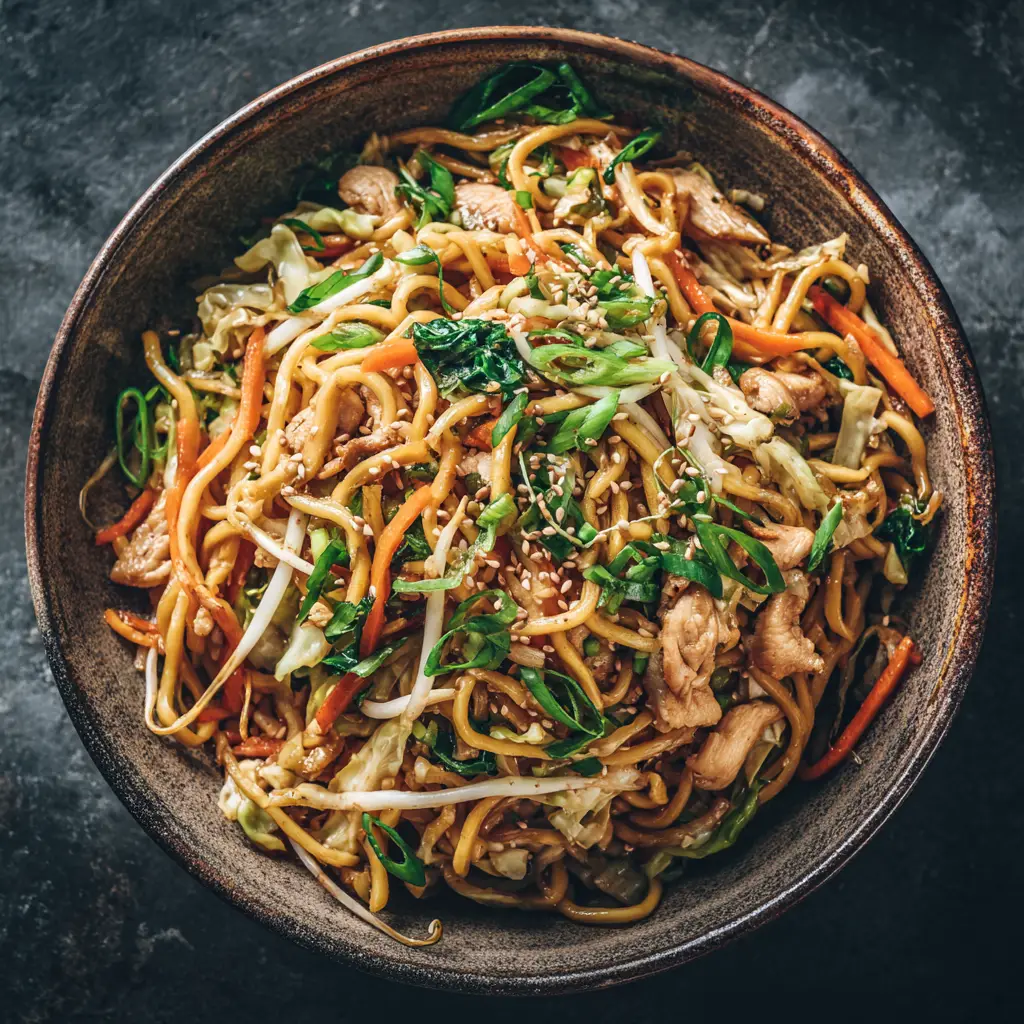
The finished dish: a perfect bowl of homemade chow mein.
How to Make The Best Chow Mein Recipe Step-by-Step
Making this Chow Mein Recipe is a quick and rewarding process. Follow these steps for noodle perfection.
Prepare the Noodles: Cook the chow mein noodles according to the package directions, usually boiling for 3-5 minutes. Drain them well and toss with a teaspoon of sesame oil to prevent sticking.
Make the Sauce: In a small bowl, whisk together the soy sauce, oyster sauce, sesame oil, cornstarch, and sugar. Set aside. This sauce is not just for noodles; it would be amazing on this Honey Soy Glazed Chicken.
Cook the Chicken: Heat a tablespoon of vegetable oil in a large wok or skillet over high heat. Add the thinly sliced chicken and cook until golden brown and cooked through. Remove the chicken from the wok and set it aside.
Crisp the Noodles: Add another tablespoon of oil to the wok. Add the drained noodles in a single layer and press down. Cook for 4-5 minutes without moving, until the bottom is golden and crispy. Flip the noodles (in sections if needed) and cook for another 3-4 minutes until the other side is crisped. Remove the noodles from the wok.
Stir-fry the Aromatics & Veggies: Add the final tablespoon of oil to the wok. Sauté the minced garlic and ginger for 30 seconds until fragrant. Add the carrots, cabbage, and celery, and stir-fry for 2-3 minutes until they are crisp-tender.
Combine Everything: Return the chicken and noodles to the wok with the vegetables. Pour the prepared sauce over everything. Add the bean sprouts and toss everything together for 1-2 minutes until the sauce has thickened and coated all the ingredients.
Serve Immediately: Serve the chow mein hot, garnished with sliced green onions if desired.
Pro Tips for Restaurant-Quality Results
Want to elevate your homemade chow mein? Keep these tips in mind.
Don’t Overcrowd the Pan: Use a large wok or skillet to ensure everything cooks evenly and the vegetables stir-fry rather than steam. If needed, cook in batches.
Prep Ahead: Stir-frying is a fast process. Have all your vegetables chopped, your sauce mixed, and your ingredients measured and ready to go before you even turn on the stove.
High Heat is Key: Authentic stir-frying requires high heat to get that signature “wok hei” flavor and ensure vegetables stay crisp.
Customize Your Veggies: Feel free to add other vegetables like sliced bell peppers, broccoli florets, or snow peas. Add heartier vegetables first and delicate ones towards the end. Looking for more Asian-inspired flavors? Try these Thai Basil Beef Rolls.
The main difference is the noodle preparation. In chow mein, the noodles are pan-fried to be crispy, then tossed with sauce and ingredients. In lo mein, boiled noodles are tossed in the sauce, resulting in a softer texture.
The best noodles are fresh or dried steamed egg noodles specifically labeled for chow mein or pan-frying. They are thin and sturdy, perfect for getting crispy. In a pinch, you can use ramen noodles or even spaghetti.
A classic chow mein sauce is made by whisking together soy sauce, oyster sauce, toasted sesame oil, a pinch of sugar for balance, and a little cornstarch to help the sauce thicken and cling to the noodles.
The secret to crispy noodles is a two-step process. First, boil the noodles according to package directions and drain them very well. Then, pan-fry them in a hot, oiled wok or skillet in a single layer without moving them for 4-5 minutes until a golden crust forms.
Absolutely! To make a vegetarian version, simply omit the chicken and replace it with firm, pressed tofu or a variety of mushrooms like shiitake or cremini. You can also use a vegetarian oyster sauce or hoisin sauce.
More Delicious Recipes
If you loved this easy and delicious Chow Mein Recipe, you are sure to enjoy some of our other popular takeout-style meals.
FL Recipes
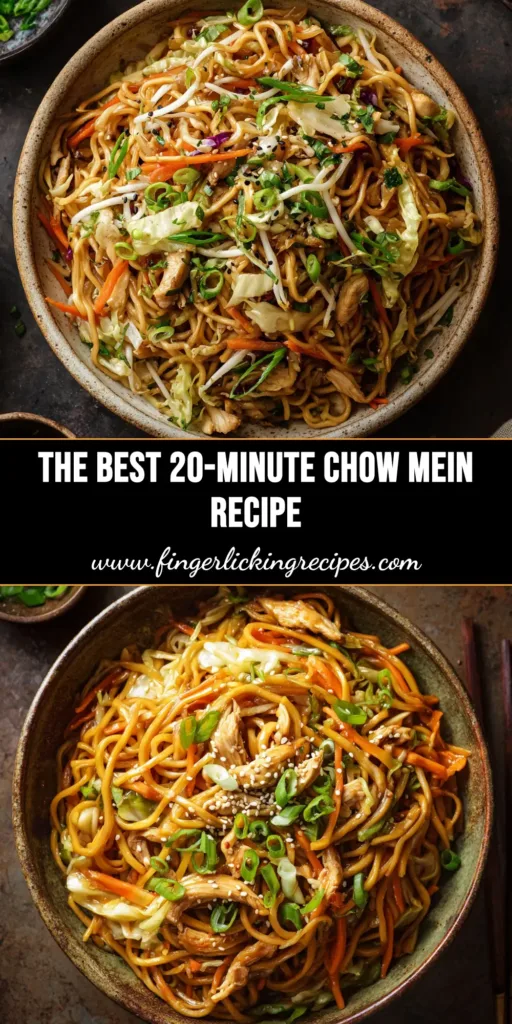
Chow Mein Recipe (Better Than Takeout)
This easy Chow Mein Recipe is better than takeout! Learn how to make authentic, restaurant-quality chow mein at home with crispy noodles, tender chicken, and a savory sauce.
Cook the chow mein noodles according to package directions. Drain well and toss with 1 tsp of the sesame oil to prevent sticking.
In a small bowl, whisk together all sauce ingredients: soy sauce, oyster sauce, toasted sesame oil, sugar, and cornstarch. Set aside.
Heat 1 tbsp of vegetable oil in a large wok or skillet over high heat. Add the sliced chicken and cook until golden and cooked through. Remove from the wok.
Add another tbsp of oil to the hot wok. Spread the cooked noodles in an even layer and cook for 4-5 minutes without moving until the bottom is crispy and golden. Flip and crisp the other side for 3-4 minutes. Remove from the wok.
Add the final tbsp of oil. Sauté the garlic and ginger for 30 seconds until fragrant. Add the cabbage, carrots, and celery, stir-frying for 2-3 minutes until crisp-tender.
Return the chicken and crispy noodles to the wok. Pour the sauce over everything, add the bean sprouts, and toss to combine. Cook for 1-2 minutes until the sauce thickens and coats everything evenly.
Serve immediately, garnished with sliced green onions if desired.
Nutrition
Calories: 550kcalProtein: 35gFat: 22gFiber: 7g
Notes
Don't Overcrowd the Pan: Use a large wok to ensure everything stir-fries properly. Prep Ahead: Have all your ingredients chopped and ready before you start cooking, as the process is very fast. Variations: Swap chicken for thinly sliced beef, peeled shrimp, or pressed tofu.
We are confident this is the best Chow Mein Recipe you’ll ever make at home! If you loved it as much as we do, please feel free to leave a comment and a rating below. Your feedback helps us and inspires other home cooks. Don’t forget to share your creations and tag us on Pinterest!
You won't believe how easy it is to make this restaurant-quality chow mein at home!
Hi, I’m Emily Carter, and welcome to FL Recipes! I share simple, healthy recipes that make cooking easy, fun, and delicious for everyone. more about me »