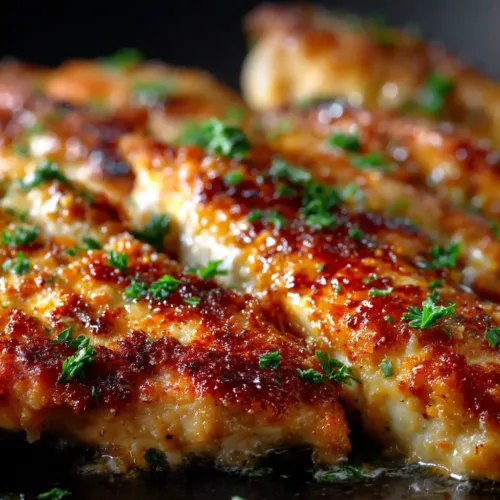
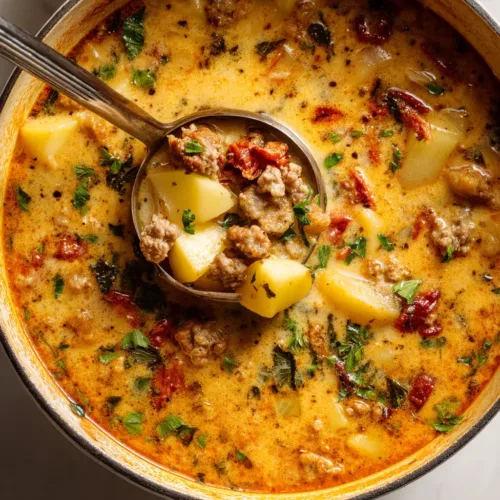
Craving that rich, velvety chicken curry from your favorite Indian restaurant? This Creamy Chicken Masala Recipe delivers that five-star experience right in your own kitchen. We’ve crafted a foolproof method that balances deep, aromatic spices with a luxuriously smooth tomato-cream sauce. Forget takeout; this is the one-pan wonder you’ll turn to for a truly satisfying weeknight dinner. It’s simple, quick, and packed with authentic flavor.
Why This is the Ultimate Creamy Chicken Masala Recipe
This isn’t just another chicken curry recipe; it’s a game-changer for home cooks. We’ve focused on developing a deep flavor base quickly and ensuring the sauce is unbelievably creamy without being complicated. The chicken is marinated first, making every bite tender and juicy.
Unlike some recipes that can be bland, this one uses a blend of classic Indian spices that are toasted to perfection, releasing their full aromatic potential. It’s the perfect dish to impress guests or to treat your family. Plus, it’s a fantastic one-pan meal, which means cleanup is a breeze. If you love this, you’ll also enjoy our creamy garlic chicken for another easy weeknight option.
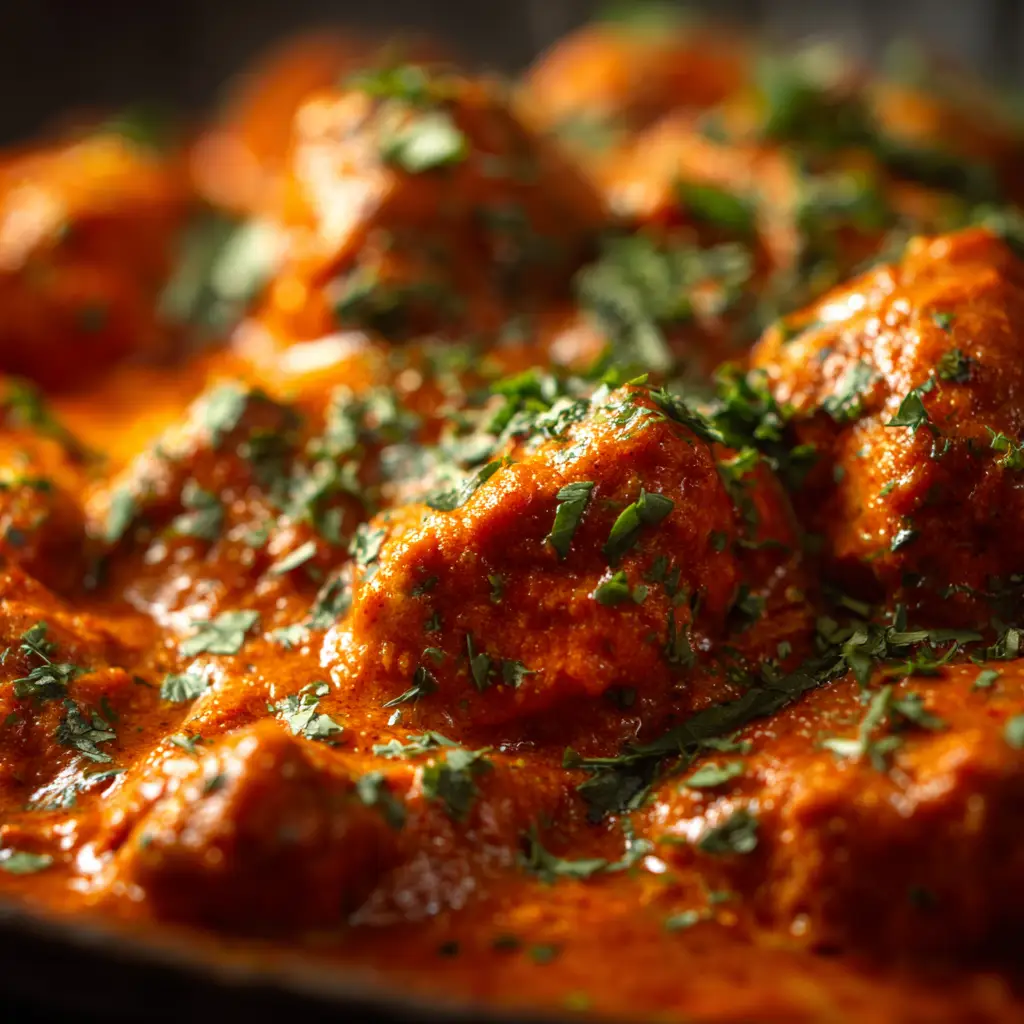
Building layers of flavor is the key to a perfect masala.
Essential Ingredients for the Perfect Masala
The magic of this dish lies in its two core components: the tender marinated chicken and the rich, spiced sauce. Here’s what you’ll need to bring them together.
For the Chicken Marinade:
Chicken: Boneless, skinless chicken breasts or thighs, cut into 1-inch cubes. Thighs will yield a more tender result.
Yogurt: Full-fat plain yogurt is the key to a tenderizing marinade.
Ginger & Garlic: Freshly minced is always best for a vibrant flavor.
Spices: A simple mix of turmeric, garam masala, and salt.
For the Creamy Masala Sauce:
Ghee or Butter: Ghee adds a nutty, authentic flavor, but butter works wonderfully too.
Onion: Finely chopped to create a smooth sauce base.
Tomato Puree: Provides the rich, tangy backbone of the masala.
Spices: Cumin, coriander powder, turmeric, and a touch of cayenne for warmth.
Heavy Cream: The star ingredient for that signature creamy, velvety texture.
Cashew Paste: Our secret weapon for an ultra-creamy sauce that’s stable and rich. Simply blend raw cashews with a little water.
Garnish: Fresh cilantro for a burst of freshness.
How to Make Creamy Chicken Masala: A Step-by-Step Guide
This Creamy Chicken Masala Recipe is designed for ease and flavor. Follow these simple steps for a perfect result every time.
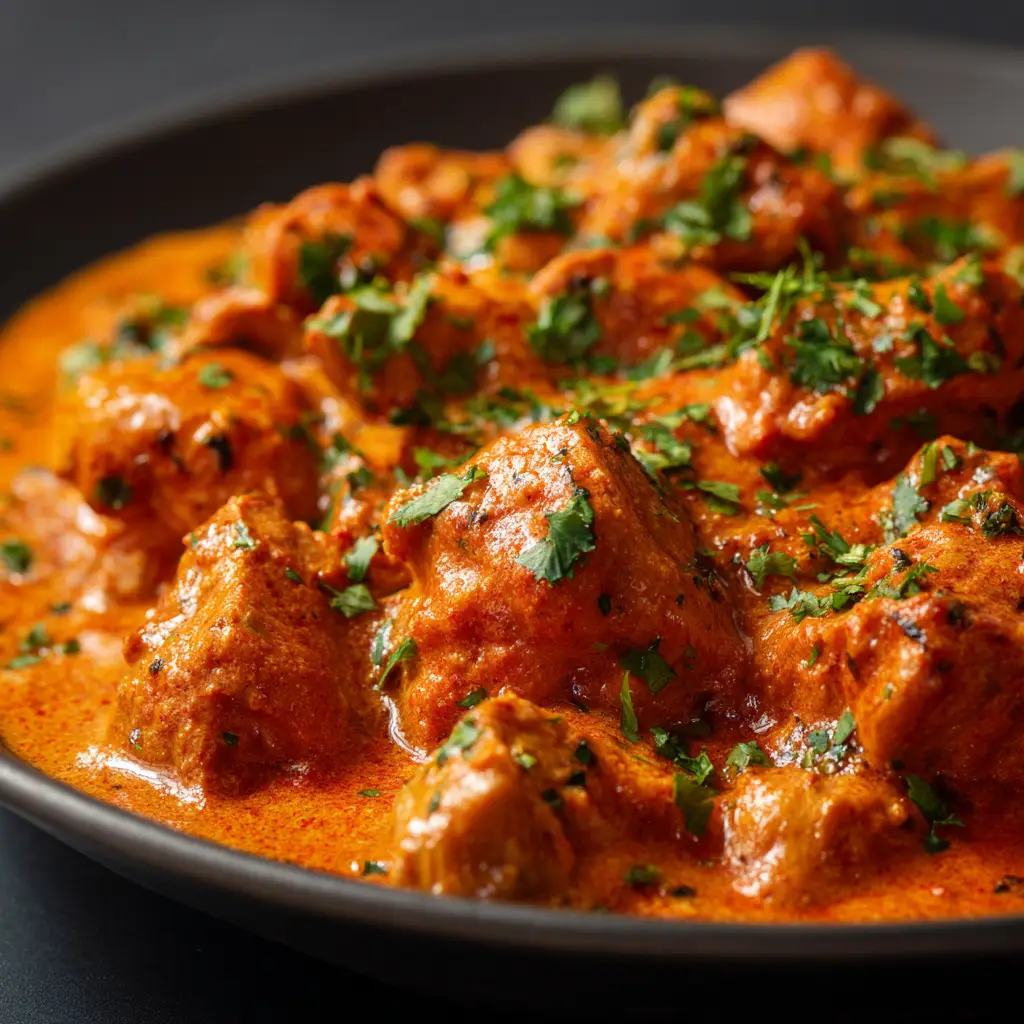
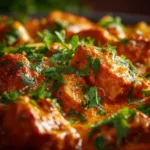
Look at that rich, velvety sauce!
Marinate the Chicken: In a medium bowl, combine the chicken pieces, yogurt, minced ginger, minced garlic, turmeric, and salt. Mix well to coat every piece. Let it marinate for at least 30 minutes, or up to 4 hours in the refrigerator for maximum flavor.
Sauté the Aromatics: In a large skillet or Dutch oven, melt the ghee or butter over medium heat. Add the chopped onion and cook until softened and translucent, about 5-7 minutes. Add the remaining minced ginger and garlic and cook for another minute until fragrant.
Bloom the Spices: Add the ground cumin, coriander, turmeric, and cayenne pepper to the skillet. Stir constantly for about 30 seconds until the spices are fragrant. This step, known as “blooming,” is crucial for developing deep flavor.
Cook the Chicken: Add the marinated chicken to the skillet, shaking off any excess marinade. Cook for 5-6 minutes, turning occasionally, until the chicken is lightly browned on all sides.
Create the Sauce: Pour in the tomato puree, scraping up any browned bits from the bottom of the pan. Bring the mixture to a simmer, then reduce the heat to low, cover, and let it cook for 10-12 minutes, or until the chicken is cooked through.
Finish with Cream: Stir in the cashew paste and heavy cream. Let the sauce simmer gently for another 2-3 minutes until it has thickened slightly. Do not let it boil. Season with salt to taste.
Serve: Garnish generously with fresh cilantro. Serve hot with your favorite sides.
Pro Tips for Restaurant-Quality Results
A few simple tricks can elevate your homemade chicken masala from great to absolutely spectacular.
Don’t Skip the Marinade: Even 30 minutes makes a huge difference in the tenderness and flavor of the chicken.
Toast Your Spices: Blooming the ground spices in the hot ghee awakens their flavor profiles for a more aromatic curry.
Use Full-Fat Ingredients: For the creamiest, richest sauce, use full-fat yogurt and heavy cream. Low-fat versions can sometimes split when heated.
Let it Simmer: Allowing the sauce to simmer gently lets the flavors meld together into a cohesive, delicious whole.
What to Serve with Your Chicken Masala
This creamy curry pairs beautifully with a variety of sides. For a classic meal, serve it with fluffy basmati rice or warm naan bread to soak up every last drop of the delicious sauce. A simple side of cucumber raita or a fresh green salad can provide a cooling contrast to the warm spices. For more inspiration on what to cook next, try our amazing one-pot chicken curry recipe.
Storage and Reheating Instructions
This Creamy Chicken Masala Recipe is perfect for leftovers! Store it in an airtight container in the refrigerator for up to 3 days. The flavors will actually deepen overnight. To reheat, gently warm it on the stovetop over low heat until heated through. Avoid microwaving, as it can make the chicken tough and cause the cream sauce to separate. If you enjoyed this recipe, you might also like our take on Indian lemon pepper chicken.
The secret to an extra creamy sauce is using full-fat ingredients like heavy cream and plain yogurt. We also add a paste made from blended raw cashews, which thickens the sauce and gives it a luxurious, velvety texture.
While similar, the main difference is in the preparation of the chicken. In Chicken Tikka Masala, the chicken is typically marinated, grilled or baked (like a ‘tikka’), and then added to the sauce. In a general Chicken Masala, the raw marinated chicken is cooked directly in the sauce.
Yes! You can substitute the heavy cream with full-fat canned coconut cream and use a plant-based yogurt for the marinade. The cashew paste in the recipe already helps create a creamy base.
If you don’t have heavy cream, you can use half-and-half or evaporated milk for a similar richness. For a dairy-free option, full-fat coconut cream is the best substitute.
Stored in an airtight container, chicken masala will last for up to 3 days in the refrigerator. The flavors often become even more pronounced the next day, making it excellent for leftovers.
More Delicious Recipes Await
We hope you loved this journey into making a rich and flavorful Creamy Chicken Masala. This recipe proves that you don’t need to spend hours in the kitchen to create a meal that tastes like it came from a top-tier restaurant. Give it a try and let us know what you think in the comments below!
For more culinary inspiration, be sure to follow us on Pinterest, where we share all our latest and greatest creations. Happy cooking!
Get ready to make the best Creamy Chicken Masala of your life!
Creamy Chicken Masala Recipe
FL Recipes
Creamy Chicken Masala Recipe (Restaurant-Style at Home)
This Creamy Chicken Masala Recipe delivers a restaurant-quality experience at home. Tender marinated chicken is simmered in a rich, velvety, and aromatic tomato-cream sauce, making for an easy and unforgettable weeknight dinner.
1.5lbsboneless, skinless chicken breasts or thighscut into 1-inch cubes
1/2cupfull-fat plain yogurt
1tbspminced gingerdivided
1tbspminced garlicdivided
1tspturmeric powderdivided
1tspsalt
For the Creamy Masala Sauce
2tbspghee or unsalted butter
1largeonionfinely chopped
1tspground cumin
1tspground coriander
1/4tspcayenne pepperor to taste
15ozcan tomato puree
1/4cupraw cashewsblended with 2 tbsp water to a paste
1/2cupheavy cream
1/4cupfresh cilantrochopped, for garnish
Equipment
1 Large Skillet or Dutch Oven
1 Medium Bowl
1 Blender (for cashew paste)
Method
In a medium bowl, combine the chicken pieces, yogurt, half of the minced ginger and garlic, half the turmeric, and salt. Mix well to coat every piece. Let it marinate for at least 30 minutes.
In a large skillet, melt the ghee over medium heat. Add the chopped onion and cook until softened, about 5-7 minutes. Add the remaining minced ginger and garlic and cook for another minute.
Add the ground cumin, coriander, remaining turmeric, and cayenne pepper. Stir constantly for 30 seconds until fragrant.
Add the marinated chicken to the skillet. Cook for 5-6 minutes, turning occasionally, until lightly browned.
Pour in the tomato puree. Bring to a simmer, then reduce heat, cover, and cook for 10-12 minutes until the chicken is cooked through.
Stir in the cashew paste and heavy cream. Simmer gently for 2-3 minutes to thicken. Do not boil. Season with salt to taste.
Garnish with fresh cilantro and serve hot with basmati rice or naan.
Nutrition
Calories: 450kcalProtein: 35gFat: 30gFiber: 4g
Notes
For an even deeper flavor, marinate the chicken for up to 4 hours in the refrigerator. Ensure the cream is at room temperature before adding it to the sauce to prevent it from curdling. For a dairy-free version, use coconut cream instead of heavy cream and a plant-based yogurt for the marinade.
Hi, I’m Emily Carter, and welcome to FL Recipes! I share simple, healthy recipes that make cooking easy, fun, and delicious for everyone. more about me »