Welcome! If you’ve ever wanted to master a truly versatile dessert, this basic gelatin recipe is your perfect starting point. Forget the store-bought mixes packed with mysterious ingredients. We’re going back to basics to create a delightfully simple, wonderfully jiggly, and fully customizable treat that will become a staple in your kitchen. Whether you’re making a fun dessert for the kids or a base for a more elaborate creation, this guide has you covered.
This recipe is all about empowering you with the fundamentals. Once you understand how to work with gelatin, you can unlock a world of culinary possibilities, from fruity squares to elegant panna cottas like this Earl Grey Panna Cotta. Let’s get started!
What Exactly Is Gelatin?
Before we dive into the recipe, let’s understand our star ingredient. Gelatin is a protein derived from collagen, typically sourced from animals. When dissolved in hot water and then cooled, it forms a gel-like structure, creating the classic “jiggly” texture we all know and love. It’s the magic behind countless desserts and even some savory dishes.
Choosing Your Gelatin: A Quick Guide
The key to any great gelatin recipe is, of course, the gelatin itself. You’ll primarily find two types in the grocery store: flavored and unflavored. For this foundational recipe, we are using unflavored gelatin because it gives us complete control over the final taste and sweetness.
Flavored vs. Unflavored Gelatin
Flavored gelatin (like Jell-O) comes pre-mixed with sugar, artificial flavors, and colors. It’s convenient but limiting. Unflavored gelatin is pure protein, a blank canvas waiting for your creative touch. Using it allows you to incorporate natural fruit juices, spices, and your preferred sweeteners for a truly homemade dessert.
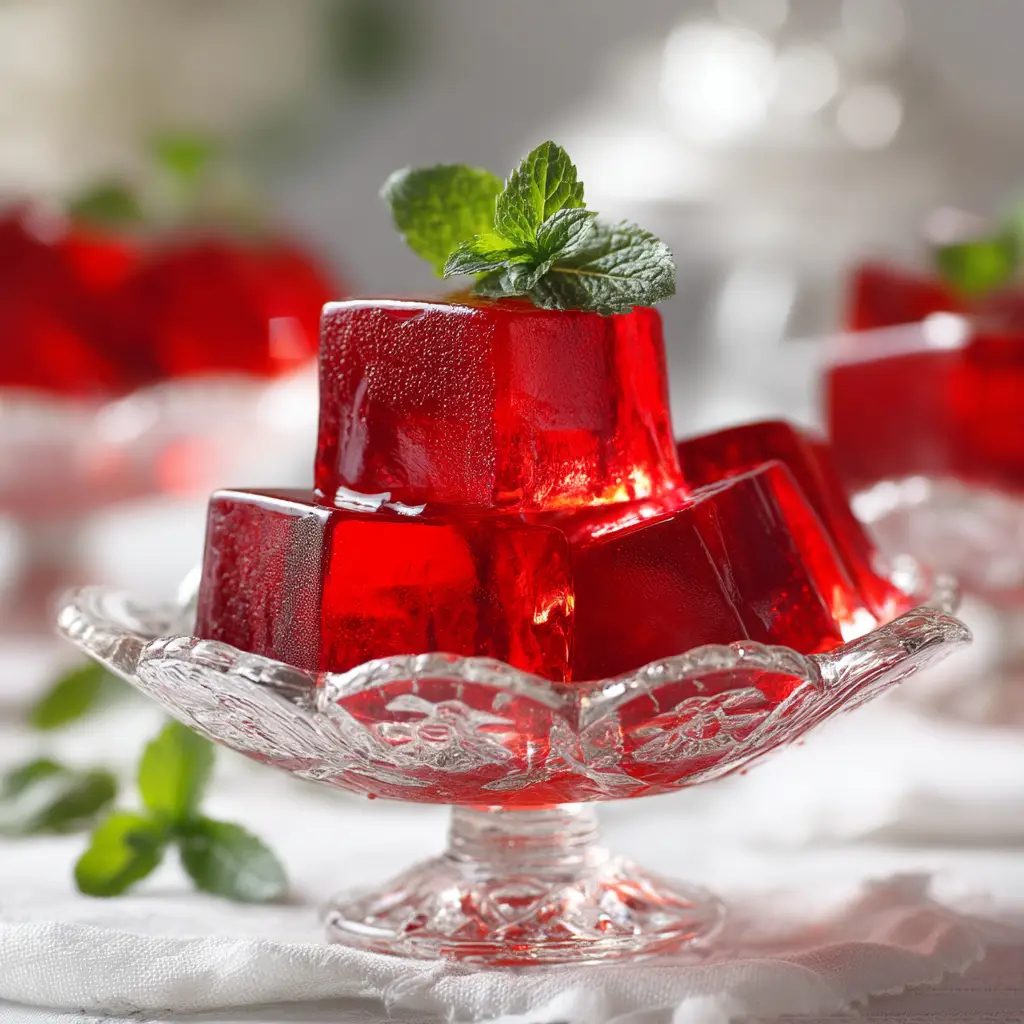
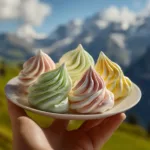
Ready to eat! Following a simple gelatin recipe yields these beautiful and tasty results.
Ingredients for a Perfect Gelatin Recipe
Simplicity is key here. You only need a few basic ingredients to make a fantastic gelatin dessert.
Unflavored Gelatin: The foundation of our recipe.
Cold Water: Crucial for blooming the gelatin properly.
Boiling Water: This is what dissolves the bloomed gelatin.
Sweetener: Granulated sugar is standard, but you can experiment with honey, maple syrup, or agave.
Flavoring: This is where you can get creative! Use fruit juice, extracts like vanilla or almond, or even infused syrups.
How to Make This Basic Gelatin Recipe (Step-by-Step)
Follow these simple steps for a foolproof result. The most critical part is the first step, “blooming,” which ensures your gelatin sets smoothly without any lumps.
Step 1: Bloom the Gelatin
First, sprinkle the unflavored gelatin powder over cold water in a small bowl or measuring cup. Let it sit for 5-10 minutes without stirring. The gelatin will absorb the water and become thick and rubbery. This blooming process is essential for a smooth texture.
Step 2: Dissolve the Gelatin
Next, pour the boiling water over the bloomed gelatin. Stir gently until the gelatin is completely dissolved and the liquid is clear. If you see any remaining granules, you can heat the mixture gently over low heat, but do not let it boil.
Step 3: Add Sweetener and Flavor
Once the gelatin is dissolved, stir in your sugar or sweetener of choice until it’s fully incorporated. Now, add your flavoring. For this recipe, we’ll use fruit juice, which should be at room temperature or slightly warm to avoid prematurely setting the gelatin.
Step 4: Chill to Perfection
Finally, pour the mixture into a mold, a baking dish, or individual serving cups. Place it in the refrigerator to chill. The gelatin will need at least 4 hours to set completely, but it’s often best to leave it overnight. Be patient! A proper chill is key to that perfect jiggle.
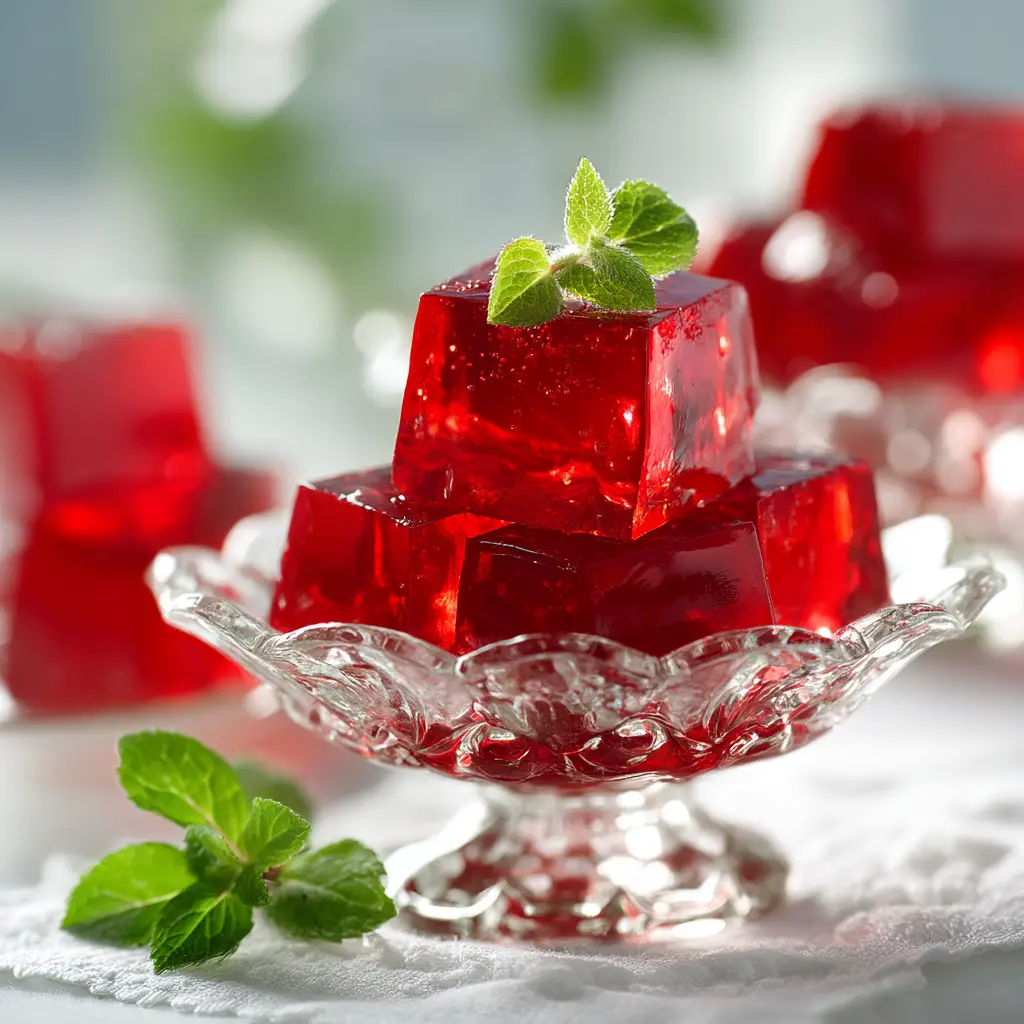
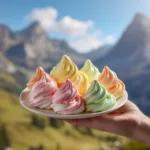
Look at that perfect jiggle! This homemade gelatin recipe is a true classic.
Pro Tips for the Best Results
Want to elevate your gelatin recipe from good to great? Keep these expert tips in mind.
Don’t Boil Gelatin: Boiling can weaken the gelatin’s setting power, resulting in a soft or runny dessert.
Avoid Certain Fruits: Fresh pineapple, kiwi, mango, and papaya contain enzymes that break down gelatin protein, preventing it from setting. Canned versions of these fruits are fine, as the canning process deactivates the enzymes.
Mind the Ratio: The standard ratio is about 1 tablespoon of unflavored gelatin per 2 cups of liquid. If you want a firmer set, you can add a little more gelatin.
Creative Flavor Variations
This basic gelatin recipe is your canvas. Here are a few ideas to get your creative juices flowing.
Using Different Fruit Juices
Swap out the water and flavoring for your favorite fruit juice. Cranberry, apple, white grape, and pomegranate juices all work wonderfully and add natural sweetness and color. You can make a beautiful layered dessert by letting each colored layer set before adding the next.
Infusing with Herbs and Spices
For a more sophisticated dessert, try infusing your hot liquid with herbs or spices. Gently heat the water with a cinnamon stick, a few star anise, or some fresh mint leaves. Strain the liquid before dissolving the gelatin for a subtly flavored treat. This technique is also fantastic for savory dishes, like the flavorful base in this Ratatouille Soup.
Common Problems and How to Fix Them
Even a simple recipe can sometimes go wrong. Here’s how to troubleshoot common issues.
Why Isn’t My Gelatin Setting?
This is the most common problem and usually has one of a few causes: an incorrect gelatin-to-liquid ratio, not allowing enough time to chill, or using fresh fruits with enzymes (like pineapple or kiwi). Double-check your measurements and be patient!
How to Avoid a Rubbery Texture
A rubbery texture is often the result of using too much gelatin powder for the amount of liquid. Stick to the recommended ratio for a tender, jiggly set. It’s better to be slightly soft than tough and rubbery. Just like in baking a Chocolate Mousse Cheesecake, balance is everything.
A standard, reliable ratio is 1 tablespoon (or one 1/4-ounce packet) of unflavored gelatin per 2 cups of liquid. This will give you a firm but tender set. For very intricate molds, you might slightly increase the gelatin.
Gelatin typically needs at least 4 hours in the refrigerator to set completely. For best results and a firmer texture, we recommend letting it chill overnight.
The most common reasons are an incorrect liquid-to-gelatin ratio, not enough chilling time, or using certain fresh fruits like pineapple, kiwi, or mango. These fruits contain enzymes that break down the protein in gelatin and prevent it from gelling.
Absolutely! Using fruit juice is a fantastic way to add natural flavor and color to your gelatin. Simply substitute some or all of the water with your favorite juice, but ensure you still use a small amount of cold water to bloom the gelatin first.
Blooming is the process of hydrating gelatin powder in a cold liquid before dissolving it. This step is crucial because it allows the gelatin granules to absorb water evenly, which ensures a smooth, lump-free final product when you dissolve it in hot liquid.
Ready for More?
Now that you’ve mastered this fundamental gelatin recipe, you’re ready to explore more delicious possibilities. You can use this as a base for layered desserts, trifles, or even homemade gummy candies. For another simple yet elegant dessert idea, try this Apple Slab Pie. The skills you’ve learned here will serve you well in all your culinary adventures.
We hope you enjoy this easy and fun gelatin recipe. Let us know how it turns out in the comments, and don’t forget to share your jiggly creations on Pinterest!
You can make this delightful treat at home with just a few simple ingredients!
The Perfect Gelatin Recipe
FL Recipes
Gelatin Recipe: How to Make Perfect Jiggly Jello Every Time
Master the art of homemade gelatin with this simple, foolproof gelatin recipe. Learn how to make a perfectly jiggly and delicious dessert from scratch using basic ingredients. Customizable with your favorite flavors!
2.5teaspoonsunflavored gelatinThis is equivalent to one packet.
0.5cupcold water
1.5cupsboiling water
0.5cupgranulated sugarAdjust to taste.
2cupsfruit juiceRoom temperature. Apple, grape, or cranberry work well.
Equipment
1 Mixing Bowl
1 8x8 inch baking dish or mold
1 Whisk
Method
In a medium bowl, pour the cold water. Sprinkle the unflavored gelatin powder evenly over the top. Let it stand for 5-10 minutes without stirring. The gelatin will absorb the water and become thick.
Carefully pour the boiling water over the bloomed gelatin. Whisk gently until all the gelatin granules have completely dissolved and the liquid is clear.
Stir in the granulated sugar until it is fully dissolved. Then, slowly pour in the room temperature fruit juice, stirring to combine everything.
Pour the gelatin mixture into an 8x8 inch baking dish, a decorative mold, or individual serving bowls. Place it in the refrigerator.
Chill for at least 4 hours, or until the gelatin is firm and jiggly. To serve, you can cut it into cubes or, if using a mold, dip the bottom of the mold in warm water for a few seconds to release it onto a plate.
Nutrition
Calories: 120kcalProtein: 2g
Notes
Fruit Choice: Avoid using fresh pineapple, kiwi, mango, ginger, or papaya as they contain enzymes that prevent gelatin from setting. For a Firmer Gelatin: If you plan to use a complex mold, you can increase the unflavored gelatin to 1 tablespoon (3 teaspoons) for a sturdier result.
Keyword gelatin recipe,homemade jello,how to make gelatin
Hi, I’m Emily Carter, and welcome to FL Recipes! I share simple, healthy recipes that make cooking easy, fun, and delicious for everyone. more about me »