Welcome to the definitive guide to creating rich, creamy, and authentic Italian Coffee Gelato right in your own kitchen. If you’ve ever dreamed of capturing the essence of a Roman café in a frozen dessert, you’ve come to the right place. This recipe delivers an intensely flavorful and velvety smooth gelato that is leagues above any store-bought version. Forget icy textures and bland coffee flavor; we’re diving deep into the traditional Italian method to achieve pure perfection. Whether you have an ice cream maker or not, prepare to craft a dessert that will transport you straight to the streets of Florence.
This isn’t just a recipe; it’s an experience. We will explore the secrets behind gelato’s signature dense texture and how to achieve it every single time. Get ready to transform simple ingredients into an extraordinary treat.
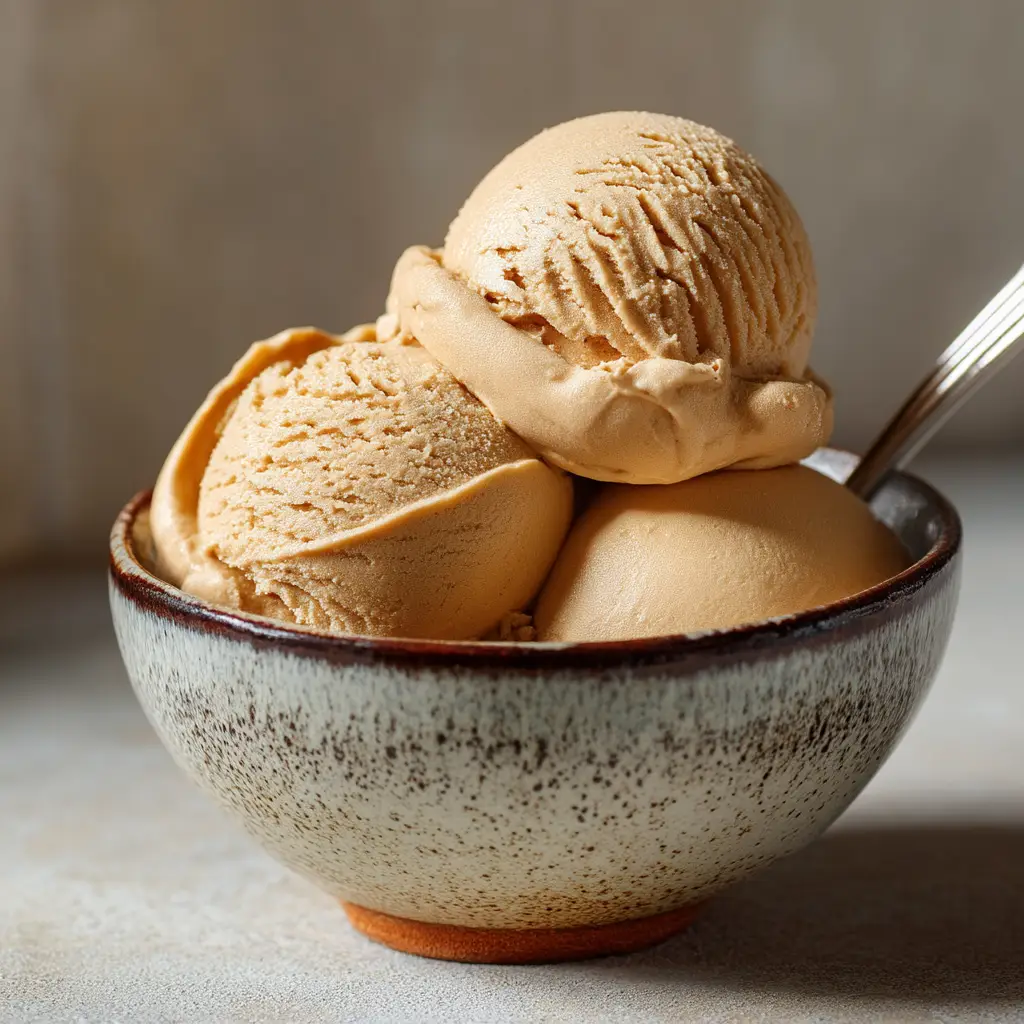
The perfect dessert to transport you straight to an Italian café.
What Makes Italian Gelato Different from Ice Cream?
Before we begin, let’s talk about what makes gelato so special. The primary difference lies in three key areas: fat content, air, and serving temperature. Gelato is made with more milk than cream, resulting in a lower fat content. It’s also churned at a much slower speed, which incorporates less air, making it denser and more flavorful than its airy American counterpart, ice cream. Finally, it’s served at a slightly warmer temperature, which allows its soft, silky texture to shine without numbing your taste buds.
The Heart of the Flavor: Choosing Your Coffee
The star of our Italian Coffee Gelato is, of course, the coffee. The quality of your brew will directly impact the final taste. For the most authentic flavor, use freshly brewed espresso from a high-quality, dark or medium-roast bean. A moka pot or espresso machine is perfect for this. If you don’t have one, strong-brewed coffee, concentrated by simmering it down, can also work. Instant espresso powder is a convenient alternative, but freshly brewed espresso will always yield the best, most complex flavor profile.
Key Ingredients for a Perfect Gelato Base
The beauty of authentic gelato lies in its simplicity. You don’t need a long list of complicated ingredients. Here’s what forms the foundation of our recipe:
Whole Milk: The primary liquid that creates gelato’s signature dense structure.
Heavy Cream: Adds richness and a velvety mouthfeel without tipping it into ice cream territory.
Sugar: Provides sweetness and, more importantly, controls the texture by lowering the freezing point of the base.
Egg Yolks: The secret weapon! Egg yolks act as a natural emulsifier and stabilizer, preventing ice crystals and creating an incredibly smooth, custard-like base.
Espresso: The source of our deep, robust coffee flavor.
Look at that velvety texture! This is what authentic homemade gelato is all about.
How to Make Italian Coffee Gelato: A Step-by-Step Guide
This process is divided into two main stages: creating the custard base and churning. Patience is key, especially when it comes to chilling the base. This resting period is non-negotiable for achieving that classic, ultra-creamy texture. For those who enjoy a different kind of sweet treat, our Chocolate Raspberry Tart recipe is a fantastic alternative.
Part 1: Crafting the Custard Base
First, we create a rich custard. Gently warm the milk and cream in a saucepan over medium heat. While that’s warming, whisk the egg yolks and sugar together in a separate bowl until the mixture is pale yellow and has thickened slightly. This process is crucial for a smooth final product. Much like the careful layering of flavors in a pistachio tiramisu, building a good base is everything.
Part 2: Tempering and Cooking
Tempering the eggs is perhaps the most critical step. Slowly pour a small amount of the warm milk mixture into the egg yolks while whisking constantly. This gently raises the temperature of the eggs without scrambling them. Once tempered, pour the egg mixture back into the saucepan with the rest of the milk. Cook over low heat, stirring constantly with a wooden spoon, until the custard thickens enough to coat the back of the spoon. Do not let it boil! Finally, stir in the freshly brewed espresso.
Part 3: Chilling and Aging
Once the custard is ready, strain it through a fine-mesh sieve into a clean bowl. This removes any potential lumps and ensures a silky-smooth texture. Cover the bowl with plastic wrap, pressing it directly onto the surface of the custard to prevent a skin from forming. Refrigerate the base for at least 4 hours, but preferably overnight. This “aging” step allows the flavors to meld and deepens the coffee taste, while also ensuring the mixture is thoroughly chilled for perfect churning.
No Ice Cream Maker? No Problem! The No-Churn Method
Don’t let the lack of an ice cream maker stop you from enjoying homemade Italian Coffee Gelato. The process is simple. Pour the chilled custard base into a freezer-safe container, like a loaf pan. Freeze for 30-45 minutes, then remove and stir vigorously with a fork or whisk, breaking up any frozen crystals. Return it to the freezer and repeat this process every 30 minutes for about 3-4 hours, or until the gelato is firm but scoopable. This manual churning process helps to keep the ice crystals small, resulting in a creamier final product. If you’re a fan of no-bake desserts, you might also love our No-Bake Chocolate Eclair Cake.
Tips for Unforgettable Gelato
Don’t Skimp on Chilling: A properly chilled base is the secret to a creamy, non-icy gelato. Do not rush this step.
Use Full-Fat Dairy: For the richest flavor and best texture, use whole milk and heavy cream.
Strain the Custard: Never skip straining the custard base. It’s your insurance policy for a perfectly smooth gelato.
Proper Storage: Store your gelato in an airtight container in the coldest part of your freezer. Press a piece of parchment paper on the surface to help prevent ice crystals from forming.
The main differences are in fat, air, and serving temperature. Gelato has less cream and more milk (lower fat), is churned slower (less air, making it denser), and is served warmer, which enhances its rich flavor and smooth texture.
Absolutely! You can use the ‘no-churn’ method. Pour the chilled gelato base into a freezer-safe container and freeze, stirring vigorously with a fork every 30-45 minutes for 3-4 hours to break up ice crystals and create a smooth consistency.
For the most authentic and robust flavor, freshly brewed espresso from a dark or medium roast bean is best. If you don’t have an espresso machine, very strong-brewed coffee or instant espresso powder can be used as alternatives.
Iciness is usually caused by large ice crystals. This can happen if the custard base wasn’t chilled long enough before churning, if it was churned for too long, or if it wasn’t stored properly in an airtight container. Chilling the base overnight is the best way to prevent this.
Store your gelato in an airtight container in the coldest part of your freezer (usually the back). To further prevent ice crystals, press a piece of parchment paper directly onto the surface of the gelato before sealing the lid. It’s best enjoyed within one week.
Share Your Creation!
You’ve done it! You’ve created a dessert that rivals the best gelaterias in Italy. This homemade Italian Coffee Gelato is a labor of love that is well worth the effort. Its intense flavor and luxurious texture are the perfect way to end a meal or treat yourself on a warm afternoon. We hope you enjoy every scoop. If you loved this recipe, please share your thoughts in the comments below or save it to your favorite board on Pinterest!
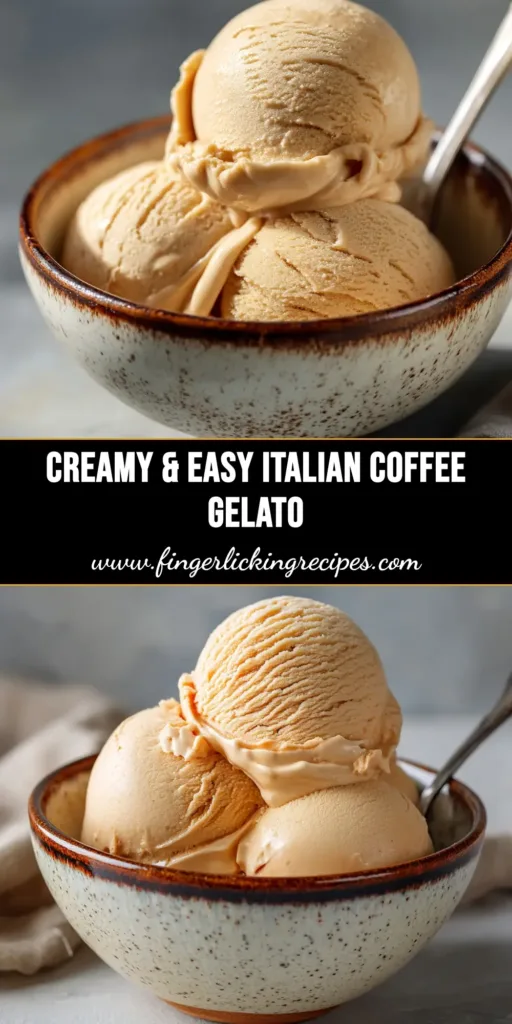
The creamiest Italian Coffee Gelato you'll ever make at home!
Italian Coffee Gelato
FL Recipes
Italian Coffee Gelato: The Ultimate Authentic Recipe
Indulge in the rich, authentic taste of Italian Coffee Gelato with this easy-to-follow recipe. Learn how to make incredibly smooth and creamy coffee gelato at home, with or without an ice cream maker, for a truly decadent dessert experience.
In a medium saucepan, combine the whole milk, heavy cream, and half of the sugar (3/8 cup). Warm over medium heat, stirring occasionally, until the sugar dissolves and the mixture is steaming but not boiling.
In a separate medium bowl, whisk the egg yolks with the remaining sugar (3/8 cup) and salt until the mixture is pale, thick, and ribbony.
Slowly pour about one cup of the warm milk mixture into the egg yolk mixture while whisking constantly. This is called tempering and prevents the eggs from scrambling.
Pour the tempered egg mixture back into the saucepan with the remaining milk. Cook over low-medium heat, stirring constantly with a wooden spoon or spatula, scraping the bottom and sides. Continue until the custard thickens enough to coat the back of the spoon (about 5-7 minutes). Do not let it boil.
Remove the saucepan from the heat and stir in the cooled espresso. Pour the custard base through a fine-mesh sieve into a clean bowl to ensure a silky-smooth texture.
Cover the bowl with plastic wrap, pressing it directly onto the surface of the custard to prevent a skin from forming. Refrigerate for at least 4 hours, but preferably overnight.
Once thoroughly chilled, pour the base into your ice cream maker and churn according to the manufacturer's instructions until it reaches a thick, soft-serve consistency. For the no-churn method, pour the base into a freezer-safe container. Freeze for 45 minutes, then stir vigorously. Repeat every 30 minutes for 3-4 hours.
Transfer the churned gelato to an airtight, freezer-safe container. Press parchment paper on the surface and freeze (ripen) for at least 2-3 hours to firm up. Let it sit at room temperature for 5-10 minutes before scooping and serving.
Nutrition
Calories: 250kcalProtein: 4gFat: 15g
Notes
For the best flavor, use freshly brewed espresso from a dark or medium roast bean. Do not rush the chilling step; a well-chilled base is crucial for a creamy texture. Store leftover gelato in an airtight container with parchment paper on the surface for up to one week.
Hi, I’m Emily Carter, and welcome to FL Recipes! I share simple, healthy recipes that make cooking easy, fun, and delicious for everyone. more about me »