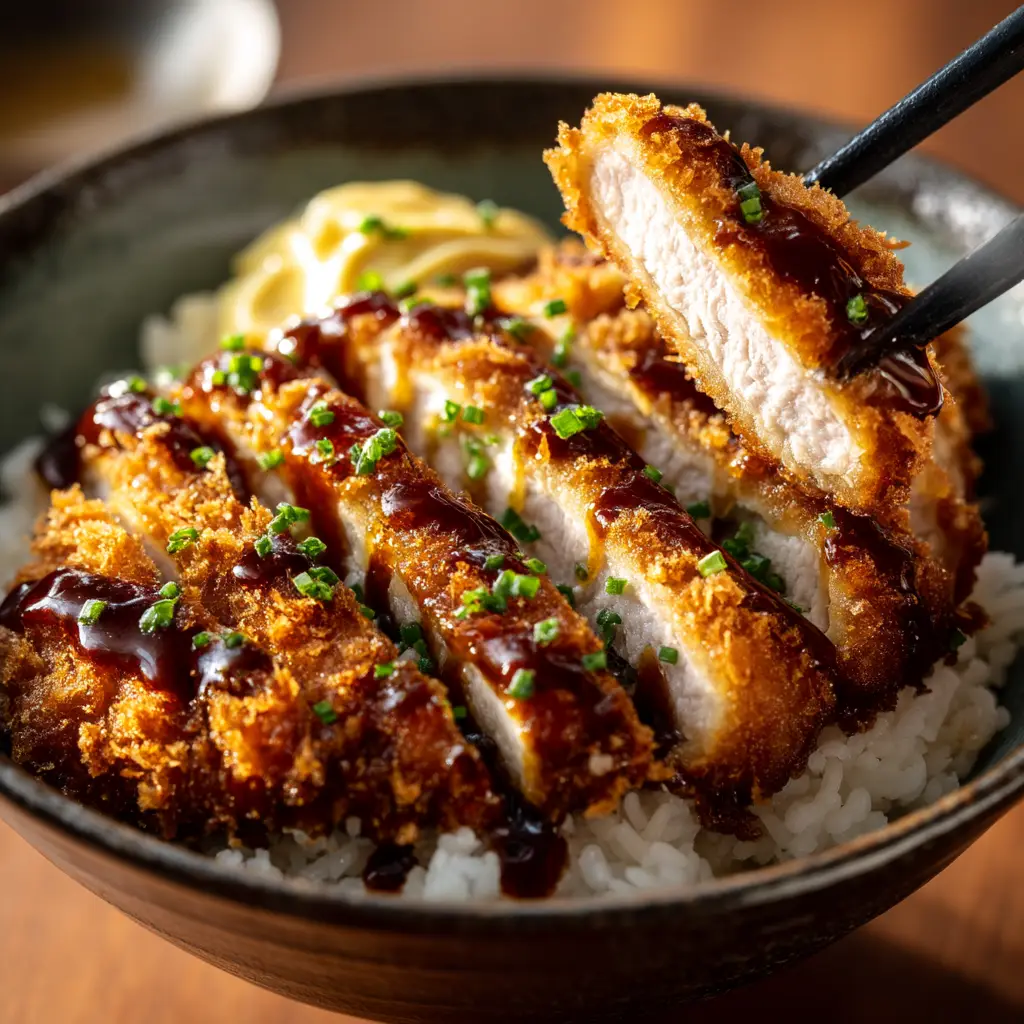
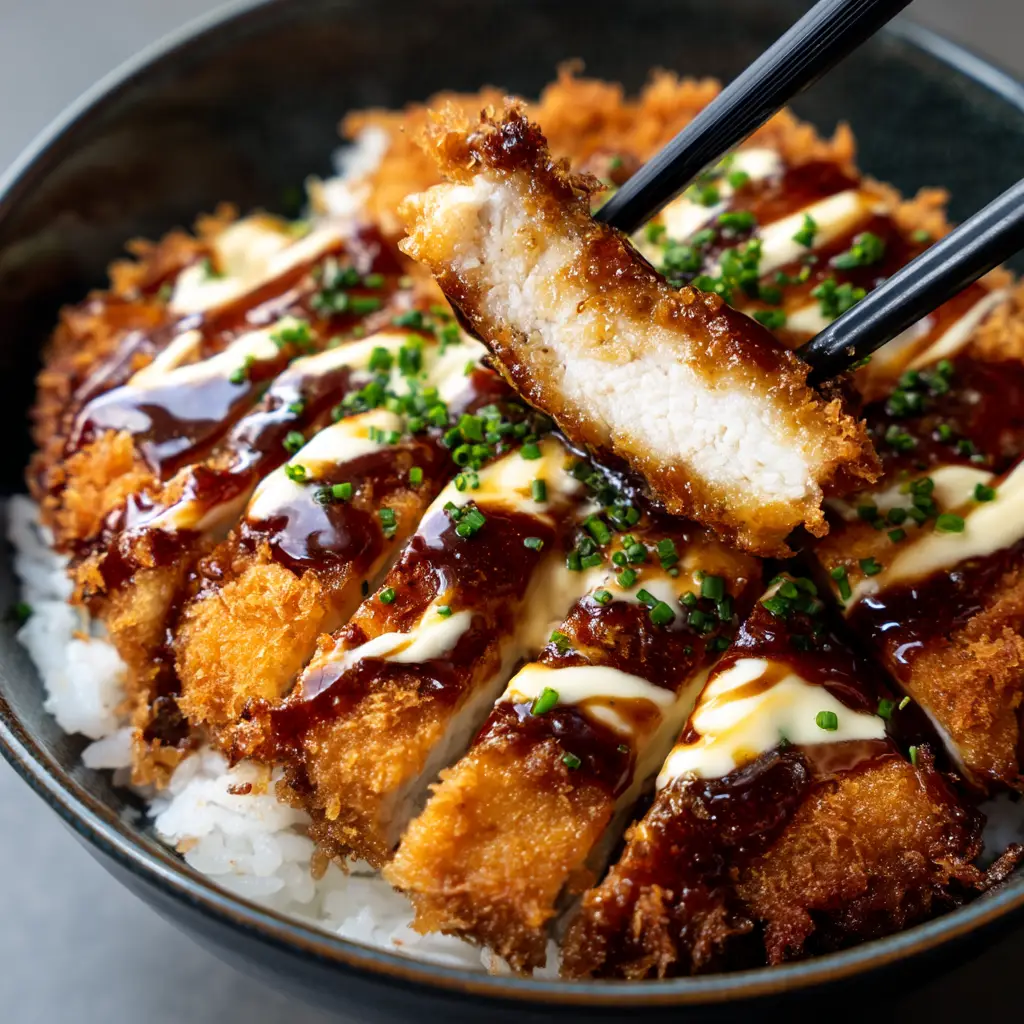
Imagine a perfectly crispy, golden-brown pork cutlet, simmered in a savory and slightly sweet sauce with onions and egg, all served over a bed of fluffy steamed rice. That’s the magic of a Japanese Katsu Bowl, also known as Katsudon. This recipe delivers that soul-satisfying experience right in your own kitchen. It’s a classic comfort food that perfectly balances texture and flavor, making it an absolute must-try.
We’ve broken down every step to ensure you get the crispiest pork and the most flavorful sauce. Forget takeout; this homemade version is fresher, tastier, and surprisingly straightforward to make. Whether you’re a seasoned cook or new to Japanese cuisine, this guide will help you master this iconic dish.
What Exactly is a Japanese Katsu Bowl?
A Japanese Katsu Bowl, or Katsudon (a combination of the words ‘katsu’ and ‘donburi’ for rice bowl), is a popular Japanese dish. It consists of a deep-fried pork cutlet, called tonkatsu, that’s simmered with thinly sliced onion and a beaten egg in a flavorful dashi-based broth. This entire mixture is then served over a bowl of steamed Japanese rice. It’s a one-bowl wonder that is beloved for its comforting and delicious nature.
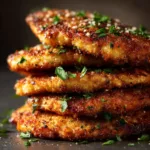
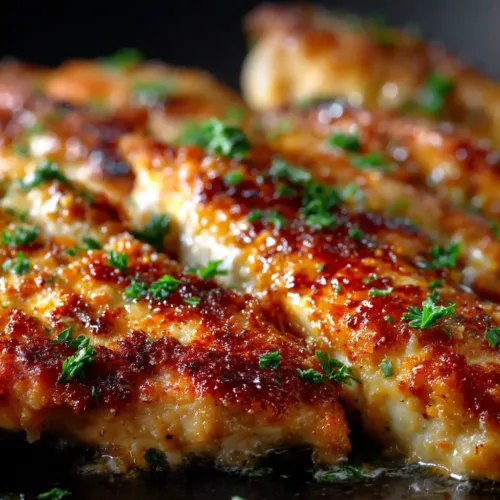
Resting the tonkatsu on a wire rack is the secret to keeping it crispy.
Why You’ll Love This Katsu Bowl Recipe
This isn’t just another recipe; it’s a foolproof guide to creating the perfect Japanese Katsu Bowl at home. Here’s why it stands out:
Unbelievably Crispy Katsu: We share the essential tips for achieving a tonkatsu crust that stays wonderfully crispy, even after being simmered in the sauce.
Perfectly Balanced Sauce: The donburi sauce is the heart of the dish. Our recipe nails the classic sweet and savory balance using dashi, soy sauce, and mirin.
Easy to Follow: The instructions are broken down into simple, manageable steps, making the process feel effortless from start to finish. If you enjoy this, you might also love our recipe for a Fiery Chicken Ramen.
Authentic Flavor: We stick to traditional ingredients and methods to give you a taste that’s as close to a Tokyo eatery as you can get.
The Key Components of an Unforgettable Katsu Bowl
Mastering this dish comes down to perfecting its three main parts: the pork katsu, the donburi sauce, and the rice.
For the Perfect Pork Katsu (Tonkatsu)
The star of the show is the tonkatsu. We use boneless pork chops, about half an inch thick. The secret to its crispiness lies in the three-step breading process: a light coating of flour, a dip in egg, and a generous press into Panko breadcrumbs. Panko crumbs are larger and flakier than regular breadcrumbs, which is why they create that signature light, airy crunch.
The Savory & Sweet Donburi Sauce
This is what brings the whole bowl together. The sauce is a simple yet profound mixture of dashi (a Japanese soup stock), soy sauce, mirin (a sweet rice wine), and a little sugar. Sliced onions are simmered in this sauce until tender, infusing it with their sweetness. The egg is then drizzled over, cooking just enough to be soft and custardy, binding everything together.
Ingredients You’ll Need
Here’s a quick look at the essential ingredients. Be sure to scroll down to the recipe card for the full measurements.
Pork Chops: Use boneless, thick-cut pork chops or loin for the best results.
Panko Breadcrumbs: These are non-negotiable for that authentic crispy texture.
Eggs: You’ll need them for both the pork coating and the sauce topping.
Flour & Seasoning: All-purpose flour, salt, and black pepper for the first layer of breading.
Dashi Stock: The foundational flavor of the simmering sauce. You can use instant dashi granules or make your own.
Soy Sauce & Mirin: The classic duo for Japanese sauces, providing savory depth and a touch of sweetness.
Onion & Scallions: The onion adds sweetness to the sauce, while scallions provide a fresh, sharp garnish.
Steamed Rice: Use a short or medium-grain Japanese rice for the best fluffy texture.
Oil for Frying: A neutral oil with a high smoke point like canola, vegetable, or peanut oil.
How to Make a Japanese Katsu Bowl: Step-by-Step
Ready to build your masterpiece? Follow these steps for a perfect bowl every time. This process is just as satisfying as creating a delicious Sheet Pan Balsamic Chicken.
Step 1: Prepare and Bread the Pork
First, season the pork chops with salt and pepper. Make a few shallow cuts along the edge of the fat to prevent the cutlets from curling as they cook. Set up three shallow dishes: one with flour, one with a beaten egg, and one with Panko breadcrumbs. Dredge each pork chop first in the flour, shaking off any excess. Then, dip it into the egg, ensuring it’s fully coated. Finally, press it firmly into the Panko, covering the entire surface.
Step 2: Fry the Tonkatsu
Heat about an inch of oil in a skillet over medium-high heat to around 340°F (170°C). Carefully place the breaded pork chops in the hot oil. Fry for about 4-5 minutes per side, until they are a deep golden brown and cooked through. Remove them from the skillet and let them rest on a wire rack. Once rested, slice the cutlets into 1-inch strips.
The crispy pork katsu soaks up the savory, sweet flavor of the donburi sauce.
Step 3: Make the Sauce and Simmer
In a small skillet or saucepan, combine the dashi, soy sauce, mirin, and sugar. Add the sliced onions and bring the mixture to a simmer over medium heat. Cook until the onions are soft and translucent, about 5 minutes. Arrange the sliced pork katsu over the onions in the skillet.
Step 4: Add the Egg and Serve
Lightly beat an egg in a small bowl. Drizzle the egg evenly over the katsu and onions. Cover the pan and cook for about 1-2 minutes, or until the egg is just set but still slightly soft and jammy. To serve, scoop a generous portion of steamed rice into a bowl. Carefully slide the katsu, onion, and egg mixture from the skillet on top of the rice. Garnish with chopped scallions and serve immediately.
Pro Tips for the Crispiest Katsu
Don’t Skip the Flour: The flour layer helps the egg adhere to the pork, which in turn helps the Panko stick. It’s a crucial first step.
Press Panko Firmly: Ensure a thick, even coating of Panko by pressing it firmly onto the pork chop. This guarantees maximum crunch.
Maintain Oil Temperature: If the oil is too hot, the Panko will burn before the pork cooks. If it’s too cool, the katsu will absorb too much oil and become greasy. Use a thermometer if possible. For another great fried recipe, try our French Toast Fried Chicken Sandwich.
Rest on a Wire Rack: Placing the fried katsu on a wire rack instead of paper towels allows air to circulate, preventing the bottom from getting soggy.
There is no difference! They are two names for the same beloved Japanese dish. ‘Katsudon’ is the proper Japanese name, which breaks down into ‘katsu’ (cutlet) and ‘don’ (from donburi, meaning rice bowl).
The classic sauce is a simple but flavorful combination of dashi (Japanese soup stock), soy sauce, mirin (sweet rice wine), and a little bit of sugar. Sliced onions are simmered in the sauce to add a natural sweetness.
Boneless pork loin or center-cut pork chops that are about 1/2 to 3/4 inch thick are ideal. This thickness ensures the pork cooks through at the same rate the Panko breading becomes perfectly golden and crispy.
The key is a three-step breading process. First, lightly coat the pork in flour, which helps the egg stick. Second, dip it in beaten egg. Finally, press it firmly into the Panko breadcrumbs for a thick, secure coating.
Absolutely! To make a Chicken Katsu Bowl (Oyakodon), simply substitute the pork with a boneless, skinless chicken breast that has been pounded to an even thickness. The cooking time for the chicken may be slightly shorter.
It’s best enjoyed fresh for maximum crispiness. However, you can store leftovers in an airtight container in the refrigerator for up to 2 days. Reheat gently in the microwave or in a saucepan over low heat. Note that the katsu will lose its crispiness upon reheating.
Did You Make This Recipe?
We’d love to hear how your Japanese Katsu Bowl turned out! Leave a comment below and let us know your thoughts. Don’t forget to share a photo of your creation and tag us on Pinterest. Your feedback helps us and inspires other home cooks!
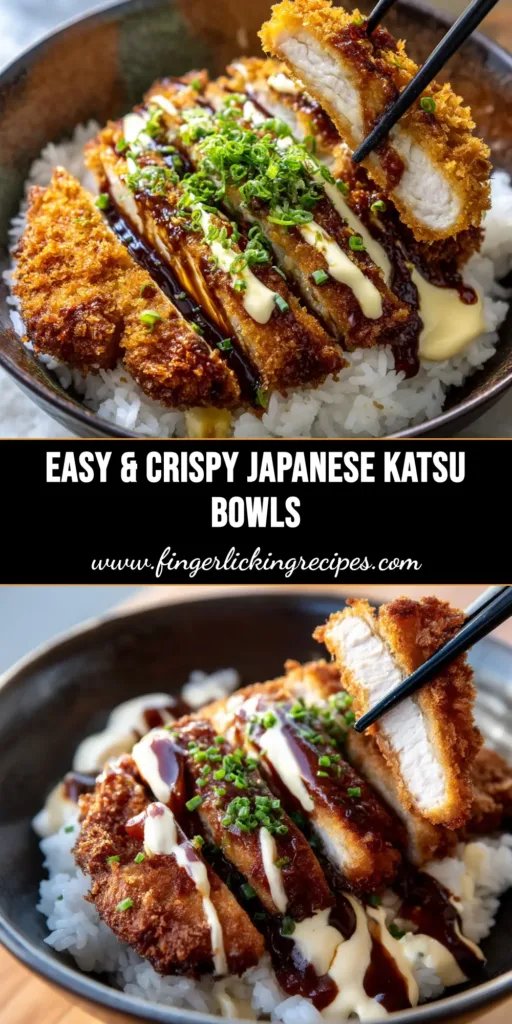
Get the ultimate recipe for a crispy and flavorful Japanese Katsu Bowl!
Japanese Katsu Bowl Recipe
FL Recipes
Japanese Katsu Bowl: The Ultimate Crispy Recipe
Master the art of the Japanese Katsu Bowl (Katsudon) with this easy-to-follow recipe. Learn the secrets to achieving an ultra-crispy pork cutlet and a perfectly balanced, savory-sweet donburi sauce for an authentic taste at home.
Pat the pork chops dry. Make a few shallow cuts along the fatty edge to prevent curling. Season both sides generously with salt and pepper.
Place flour, 1 beaten egg, and Panko breadcrumbs in three separate shallow dishes. Dredge a pork chop in flour, shaking off the excess. Dip into the egg, coating completely. Finally, press firmly into the Panko breadcrumbs, ensuring an even, thick coating.
Add about 1 inch of neutral oil to a large skillet over medium-high heat (around 340°F / 170°C). Carefully lay the breaded pork chops in the hot oil. Fry for 4-5 minutes per side, until deep golden brown and cooked through. Transfer to a wire rack to drain.
While the pork rests, combine dashi stock, soy sauce, mirin, and sugar in a small saucepan or skillet. Add the sliced onions and bring to a simmer over medium heat. Cook until the onions are tender, about 5 minutes.
Slice the rested pork katsu into 1-inch strips. Arrange the slices over the simmering onions and sauce. Drizzle the 2 lightly beaten eggs over the top. Cover the pan and cook for 1-2 minutes until the egg is just set but still soft.
Fill two bowls with hot steamed rice. Carefully slide one portion of the katsu, onion, and egg mixture over the rice in each bowl. Garnish with sliced scallions and serve immediately.
Nutrition
Calories: 780kcalProtein: 42gFat: 35gFiber: 4g
Notes
Tip 1: Use a thermometer to monitor your oil temperature for perfectly fried, non-greasy katsu. Tip 2: For a richer flavor, you can add a splash of sake to the donburi sauce along with the mirin and soy sauce. Tip 3: Don't overcook the egg; it should be soft and slightly runny to create a delicious sauce over the rice.
Hi, I’m Emily Carter, and welcome to FL Recipes! I share simple, healthy recipes that make cooking easy, fun, and delicious for everyone. more about me »