Welcome to the ultimate Scalloped Potatoes Recipe, a dish that defines comfort food. If you’ve been searching for a reliable, foolproof way to achieve perfectly tender potatoes layered in a rich, creamy, and flavorful cheese sauce, you’ve come to the right place. This recipe is designed for the enthusiastic home cook who loves to create memorable meals for family and friends. Forget watery or undercooked potatoes; this guide will walk you through every step to ensure creamy, cheesy perfection every single time.
This isn’t just another recipe; it’s a masterclass in creating a classic side dish that often steals the show. We will cover everything from selecting the right potatoes to layering them for that perfect, fork-tender texture. Get ready to make the best scalloped potatoes of your life.
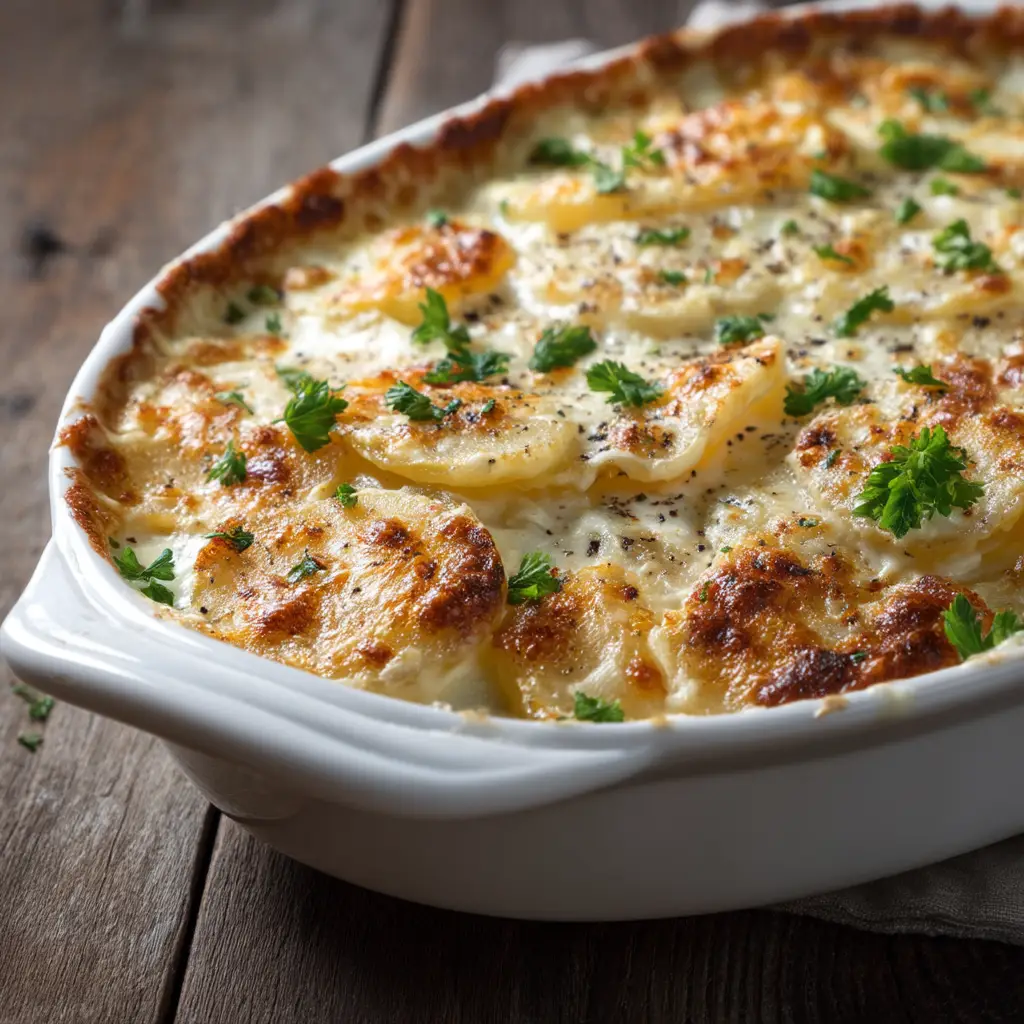
The perfect scoop of cheesy potato goodness.
What Are Scalloped Potatoes?
Traditionally, scalloped potatoes consist of thinly sliced potatoes baked in a simple cream or milk-based sauce. The name “scallop” likely refers to the way the potatoes are thinly sliced, resembling the shape of a scallop shell. While many modern versions include cheese, the classic recipe is a bit simpler.
Scalloped vs. Au Gratin Potatoes: What’s the Difference?
This is a common point of confusion. The primary difference lies in the toppings and the use of cheese. Au gratin potatoes almost always include cheese within the layers and are topped with breadcrumbs and more cheese to create a golden, crispy crust. Scalloped potatoes, in their purest form, are cheeseless and rely on the creamy sauce for flavor. However, our recipe embraces the modern, popular version that includes cheese for an extra layer of deliciousness, often called cheesy scalloped potatoes.
Why This Is The Best Scalloped Potatoes Recipe
There are countless recipes out there, but this one stands apart. We’ve refined the process to be as simple as possible without sacrificing a single drop of flavor. The sauce is made from scratch (it’s easy, I promise!), ensuring it’s luxuriously creamy and perfectly seasoned. We also use a specific blend of cheeses that melt beautifully without becoming greasy. This is the recipe that will have everyone asking for seconds.
Ingredients You’ll Need
Crafting the perfect homemade scalloped potatoes starts with quality ingredients. Here’s what you’ll need:
Potatoes: Yukon Gold or Russet potatoes are the best choices.
Heavy Cream & Milk: A combination provides the perfect creamy texture without being overly heavy.
Cheese: A blend of Gruyère and sharp cheddar offers a nutty, tangy flavor profile that melts smoothly.
Garlic & Onion: These aromatics form the flavor base of our creamy sauce.
Butter & Flour: To create a simple roux that thickens the sauce.
Thyme: Fresh thyme adds a subtle, earthy aroma that complements the potatoes beautifully.
Nutmeg: A pinch of freshly grated nutmeg is the secret ingredient that elevates the sauce.
Salt & Pepper: For seasoning.
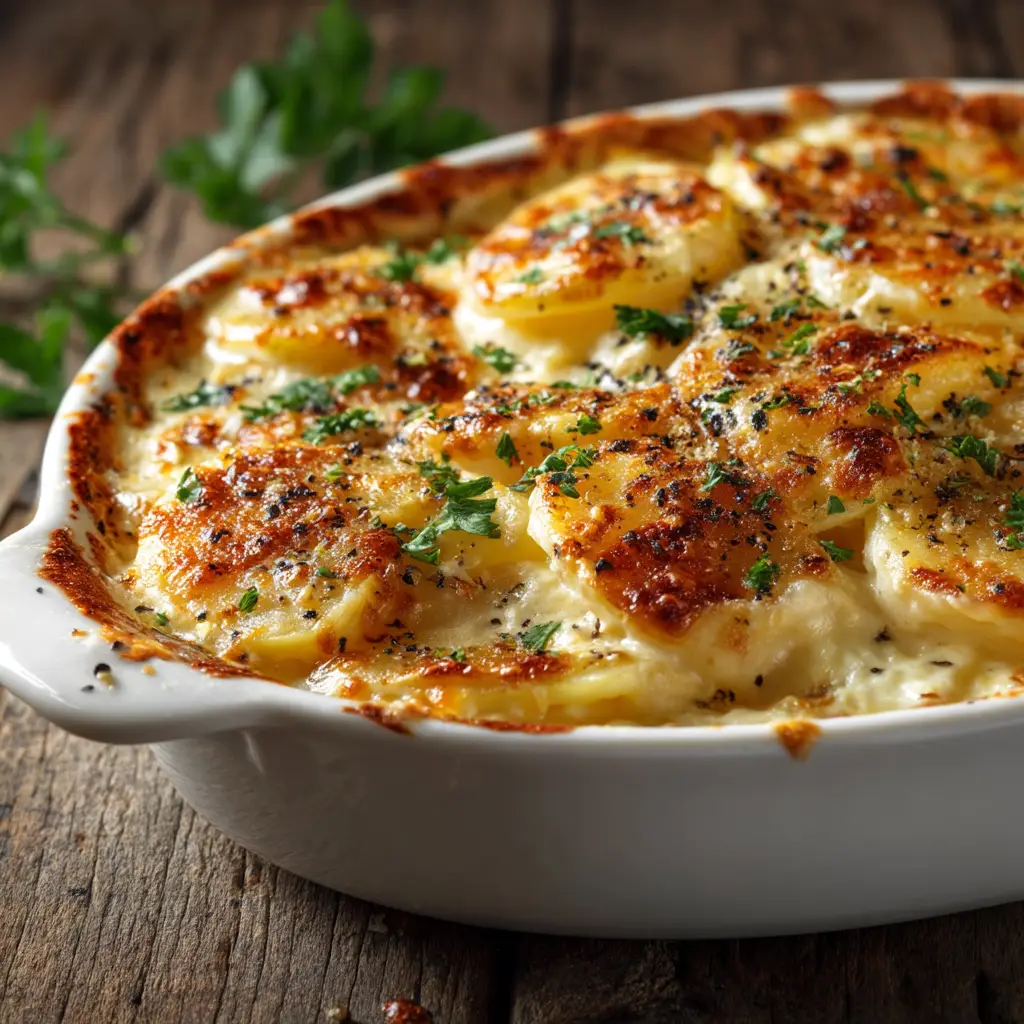
Look at those perfect, creamy layers!
How to Make The Perfect Scalloped Potatoes Recipe
Follow these steps carefully for a flawless result. The key is in the preparation and layering.
Step 1: Prepare the Potatoes
Start by peeling your potatoes. Slice them thinly and uniformly, about 1/8-inch thick. Using a mandoline slicer is highly recommended for consistency, which ensures even cooking. Place the sliced potatoes in a bowl of cold water to prevent them from browning while you prepare the sauce.
Step 2: Create the Creamy Cheese Sauce
In a medium saucepan, melt the butter over medium heat. Add the minced onion and garlic, cooking until fragrant and softened, about 2-3 minutes. Whisk in the flour and cook for another minute to create a roux. Gradually pour in the heavy cream and milk, whisking constantly to prevent lumps. Bring the sauce to a gentle simmer and let it thicken, which should take about 5 minutes. Remove from heat and stir in the shredded Gruyère, sharp cheddar, fresh thyme, nutmeg, salt, and pepper. Stir until the cheese is completely melted and the sauce is smooth.
Step 3: Layer the Casserole
Preheat your oven to 375°F (190°C). Grease a 9×13 inch baking dish with butter. Drain the potatoes and pat them dry. Arrange one-third of the potato slices in an overlapping layer on the bottom of the dish. Pour about one-third of the cheese sauce evenly over the potatoes. Repeat the process two more times, creating three layers of potatoes and sauce. Ensure the top layer of potatoes is fully covered with sauce.
Step 4: Bake to Perfection
Cover the baking dish tightly with aluminum foil. Bake for 45 minutes. Remove the foil and continue to bake for another 25-30 minutes, or until the top is bubbly and golden brown, and the potatoes are easily pierced with a fork. Let the scalloped potatoes rest for at least 10-15 minutes before serving. This allows the sauce to set and thicken further.
Tips for Success
Uniform Slices are Key: A mandoline is your best friend for this recipe. Evenly sliced potatoes cook at the same rate.
Don’t Use Pre-Shredded Cheese: Pre-shredded cheeses are often coated with anti-caking agents that can make your sauce grainy. Grate your own for the creamiest melt.
Choose Starchy Potatoes: Yukon Golds or Russets work best as their starch helps to naturally thicken the sauce as they bake.
Let It Rest: Allowing the dish to rest after baking is crucial. It helps the layers set, making it much easier to serve.
What to Serve with Scalloped Potatoes
This creamy side dish pairs wonderfully with a variety of main courses. For a truly spectacular meal, consider serving it alongside Maple Dijon Salmon, a classic Steak au Poivre, or our reader-favorite Garlic Parmesan Chicken.
The best potatoes for scalloped potatoes are starchy varieties like Russets or Yukon Golds. Their high starch content helps to thicken the sauce as it bakes, resulting in a creamier, more cohesive dish.
Watery scalloped potatoes are usually caused by two things: not using a thick enough sauce or using waxy potatoes (like red potatoes), which don’t release as much starch. Our recipe uses a flour-based roux to create a stable, creamy sauce that won’t break or become watery.
For the classic, melt-in-your-mouth texture, peeling is highly recommended. Potato skins can become tough during the long baking time and can detract from the creaminess of the dish. However, if you’re using thin-skinned potatoes like Yukon Golds and prefer a more rustic dish, you can leave the skins on.
Traditionally, scalloped potatoes are baked in a cream-based sauce, while au gratin potatoes include cheese and a topping of breadcrumbs. However, modern scalloped potato recipes, like ours, often include cheese for extra flavor, blurring the lines between the two classic dishes.
Yes! You can assemble the entire dish, cover it, and refrigerate for up to 24 hours before baking. You may need to add 10-15 minutes to the initial covered baking time if it’s going into the oven straight from the fridge. You can also bake it completely, let it cool, and reheat before serving.
The Recipe
FL Recipes
Scalloped Potatoes Recipe: The Ultimate Guide to Creamy, Cheesy Perfection
Discover the best Scalloped Potatoes Recipe! This guide delivers a foolproof method for creamy, cheesy, and perfectly tender potatoes baked in a rich, homemade cheese sauce. The ultimate comfort food side dish.
2.5lbsYukon Gold potatoespeeled and sliced 1/8-inch thick
2tbspunsalted butter
1smallonionfinely minced
2clovesgarlicminced
2tbspall-purpose flour
1.5cupsheavy cream
1cupwhole milk
1.5cupsGruyère cheeseshredded
1cupsharp cheddar cheeseshredded
1tspfresh thyme leaves
0.25tspnutmegfreshly grated
1tspsaltor to taste
0.5tspblack pepperfreshly ground
Equipment
1 9x13 inch Baking Dish
1 Mandoline slicer Optional, but recommended for even slices.
1 Saucepan
Method
Preheat oven to 375°F (190°C). Peel and thinly slice potatoes to a 1/8-inch thickness using a mandoline for best results. Submerge slices in cold water to prevent browning.
In a saucepan over medium heat, melt butter. Add minced onion and garlic, sautéing until fragrant. Whisk in flour to form a roux and cook for one minute. Gradually pour in heavy cream and milk, whisking continuously until smooth. Bring to a simmer and cook until thickened, about 5 minutes.
Remove the sauce from heat. Stir in the shredded Gruyère, sharp cheddar, thyme, nutmeg, salt, and pepper. Continue stirring until the cheese is fully melted and the sauce is creamy.
Grease a 9x13 inch baking dish. Drain the potatoes and pat them completely dry. Arrange a third of the potatoes in an overlapping layer in the dish. Cover with a third of the cheese sauce. Repeat for two more layers, finishing with a layer of sauce on top.
Cover the dish with foil and bake for 45 minutes. Remove the foil and bake for an additional 25-30 minutes, until the top is golden brown and bubbly, and the potatoes are tender.
Let the scalloped potatoes rest for 10-15 minutes before serving to allow the sauce to set.
Nutrition
Calories: 450kcalProtein: 15gFat: 30gFiber: 3g
Notes
Tip 1: Shred your own cheese. Pre-shredded cheese contains additives that can result in a grainy sauce. Tip 2: Ensure your potatoes are sliced uniformly for even cooking. A mandoline is the best tool for this. Tip 3: Don't skip the resting period! It's crucial for the sauce to thicken and set properly.
We are certain this Scalloped Potatoes Recipe will become a staple in your home. It’s the perfect side dish for holiday gatherings, Sunday dinners, or anytime you crave a dose of cheesy, creamy comfort. If you make this recipe, don’t forget to leave a comment below and share your masterpiece on Pinterest!
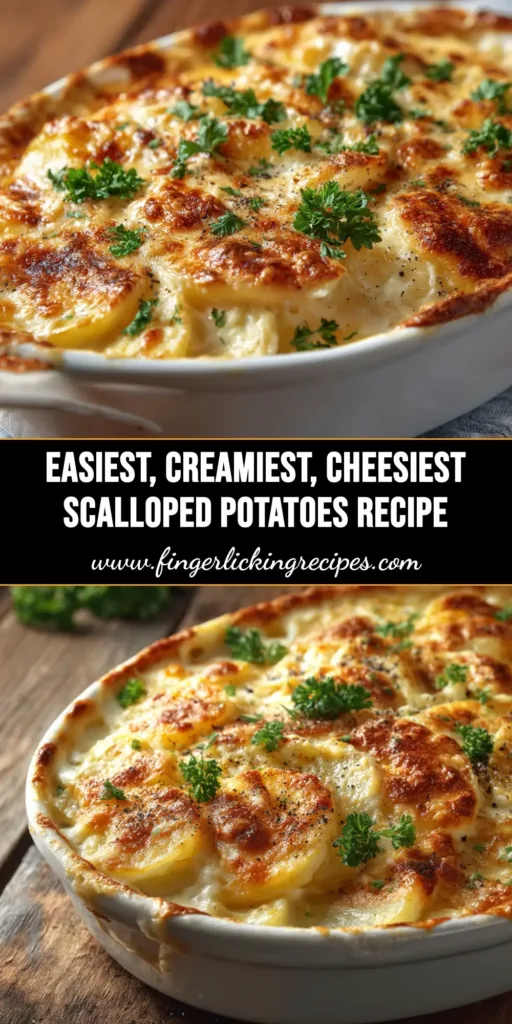
The creamiest, dreamiest scalloped potatoes you'll ever make!
Hi, I’m Emily Carter, and welcome to FL Recipes! I share simple, healthy recipes that make cooking easy, fun, and delicious for everyone. more about me »