Discover how to make perfect, healthy sautéed vegetables every time with this simple, foolproof recipe. Say goodbye to soggy, bland veggies and hello to a vibrant, delicious side dish that’s ready in under 20 minutes. It’s the perfect way to add a rainbow of nutrients to any meal.
This method is all about technique. With a few key tips, you’ll master the art of the sauté, creating tender-crisp vegetables that retain their color and flavor. Whether you need a quick side for a weeknight dinner or a versatile base for meal prep, this recipe is your new go-to.
Why You’ll Love This Healthy Sautéed Vegetables Recipe
This isn’t just another vegetable recipe; it’s a foundation for countless healthy meals. Here’s why it will become a staple in your kitchen.
Quick & Easy: From chopping board to dinner plate in less than 20 minutes, this recipe is perfect for busy weeknights.
Incredibly Versatile: Use any vegetables you have on hand and switch up the seasonings for endless variety.
Nutrient-Packed: Sautéing is a fast cooking method that helps vegetables retain more of their vital nutrients and vibrant color.
Perfectly Cooked: Our tips guarantee perfectly tender-crisp results, never mushy or waterlogged.
The Best Vegetables for Sautéing
The key to a great sauté is choosing the right vegetables and understanding their cooking times. For a balanced dish, aim for a mix of colors and textures. Cut denser vegetables, like carrots, smaller so they cook at the same rate as softer ones like zucchini.
Here are some of the best options:
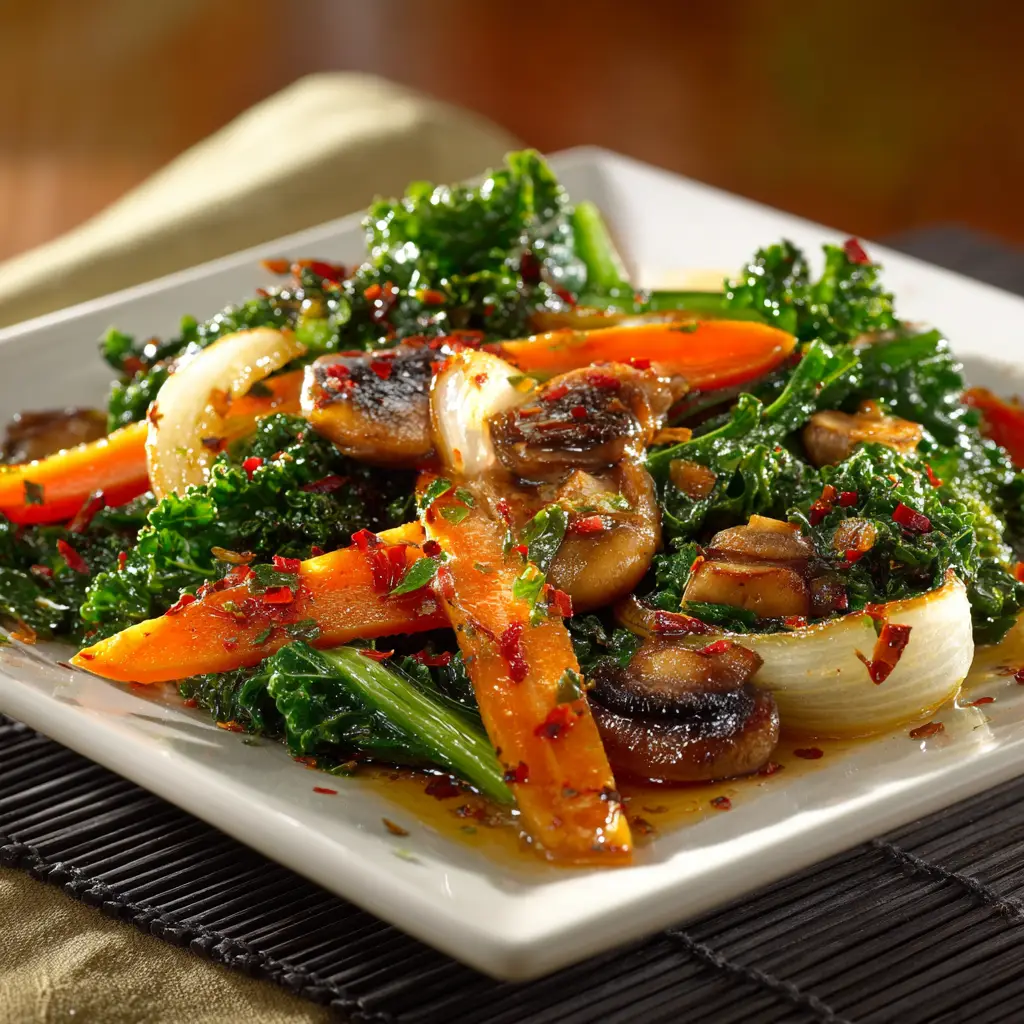
Ready in minutes and packed with flavor, this is the perfect healthy side dish.
Hard Vegetables (Cook First): Carrots, broccoli stems, Brussels sprouts.
Medium Vegetables (Add Next): Bell peppers, onions, broccoli florets, asparagus, mushrooms.
For this foundational healthy sautéed vegetables recipe, you only need a handful of simple ingredients. The magic is in the method.
Olive Oil: A quality extra virgin olive oil provides great flavor and is perfect for sautéing over medium-high heat.
Mixed Vegetables: We’re using a classic combination of broccoli, carrots, bell peppers, and zucchini for a colorful and nutritious mix.
Aromatics: Fresh garlic and onion create the aromatic base that infuses the entire dish with flavor.
Seasoning: Simple sea salt and freshly cracked black pepper are all you need to make the vegetable flavors pop. A pinch of red pepper flakes is optional for a little heat.
How to Make Healthy Sautéed Vegetables (Step-by-Step)
Follow these simple steps for a perfect sauté every single time. The secret is in the heat and not overcrowding the pan.
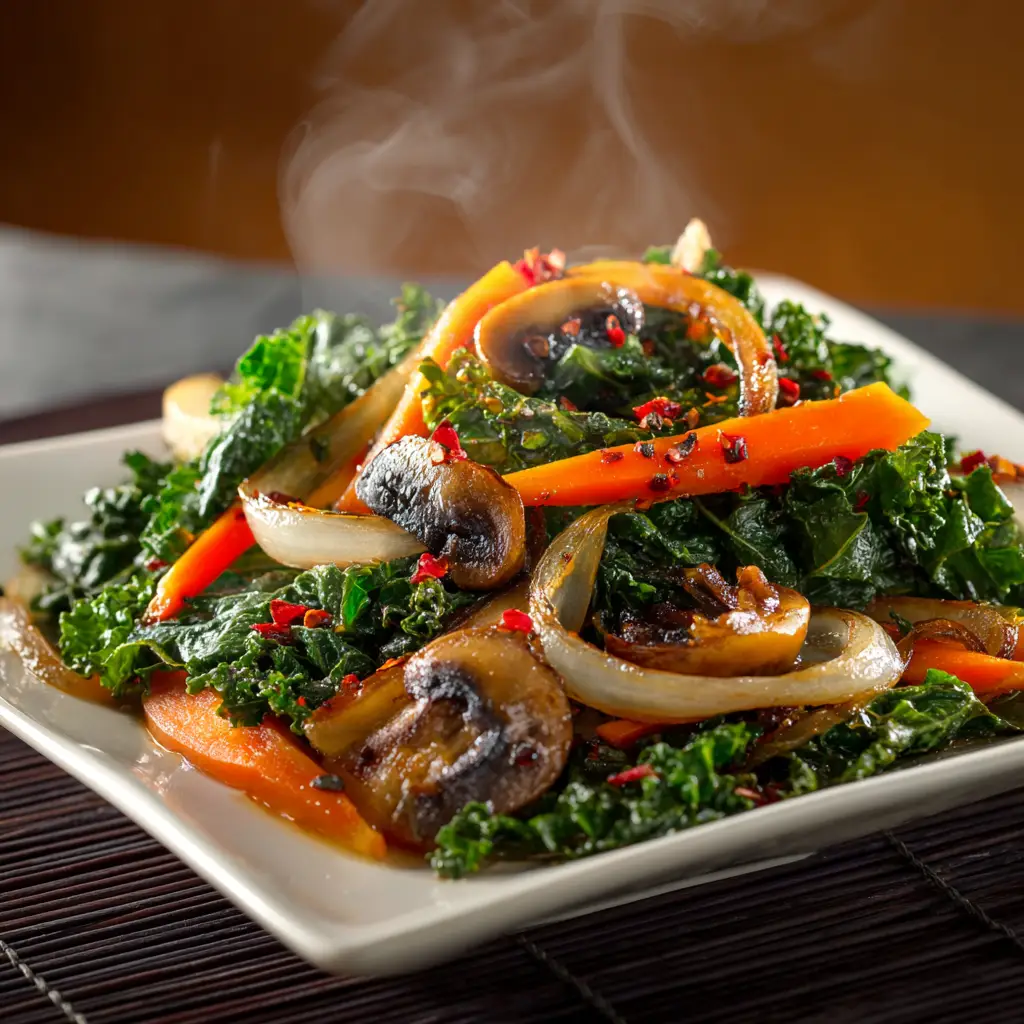
A rainbow of nutrients in every bite! Notice the perfect tender-crisp texture.
Prep Your Veggies: Wash and chop all your vegetables into uniform, bite-sized pieces. Remember to cut harder vegetables slightly smaller. Mince your garlic and slice your onion.
Heat the Pan: Place a large skillet or wok over medium-high heat. Add the olive oil and let it get hot. You’ll know it’s ready when the oil shimmers slightly.
Sauté in Stages: Add the harder vegetables first (carrots and broccoli). Sauté for 3-4 minutes, stirring occasionally. Next, add the medium vegetables (bell peppers and onion) and cook for another 4-5 minutes.
Add Soft Veggies & Aromatics: Add the zucchini and garlic to the pan. Continue to cook for another 2-3 minutes, stirring frequently to prevent the garlic from burning. The vegetables should be tender but still have a slight crispness.
Season and Serve: Remove the skillet from the heat. Season generously with salt, pepper, and optional red pepper flakes. Toss to combine and serve immediately.
Keys to Success: Avoiding Soggy Vegetables
The difference between delicious, crisp sautéed vegetables and a disappointing, mushy pile comes down to a few critical details.
Use a Large Pan: Giving your vegetables plenty of space is the most important rule. Overcrowding the pan steams the vegetables instead of sautéing them, which leads to a soggy result. Cook in batches if needed.
Don’t Fear the Heat: Use medium-high heat. A hot pan sears the outside of the vegetables quickly, helping them stay crisp.
Dry Your Vegetables: Make sure your vegetables are completely dry after washing. Excess water will create steam and prevent them from browning properly.
Stir Infrequently: Let the vegetables sit for a minute or two between stirs. This allows them to get a nice caramelized sear, which adds a ton of flavor.
Flavor Variations: Beyond Salt and Pepper
While the basic recipe is delicious, these healthy sautéed vegetables are a blank canvas. Try these variations to keep things interesting!
Italian Herb Sauté
Add 1 teaspoon of dried Italian seasoning or a mix of oregano and basil along with the garlic. Finish with a sprinkle of fresh parsley and grated Parmesan cheese.
Asian-Inspired Sauté
In the last minute of cooking, add a splash of low-sodium soy sauce, a drizzle of sesame oil, and a teaspoon of grated fresh ginger. Top with sesame seeds. This pairs wonderfully with Ginger Soy Fish.
Spicy Southwestern Sauté
Add 1/2 teaspoon of cumin and 1/4 teaspoon of chili powder with the salt and pepper. Finish with a squeeze of fresh lime juice and a handful of chopped cilantro.
What to Serve with Sautéed Vegetables
These vegetables are the ultimate team player. They pair well with almost any main course. For a complete and balanced meal, serve them alongside a lean protein. They are a fantastic complement to dishes like our delicious Garlic Parmesan Crusted Halibut or simple Oven-Baked Chicken Drumsticks. You can also toss them with pasta or serve over quinoa for a hearty vegetarian meal. Looking for another great side? Try our Crispy Roasted Cauliflower.
Storage and Meal Prep Tips
Sautéed vegetables are best enjoyed fresh, but they can be stored and reheated. Let them cool completely, then store in an airtight container in the refrigerator for up to 4 days. To reheat, warm them in a skillet over medium heat or in the microwave. For meal prep, you can chop all your vegetables ahead of time and store them in the fridge for a few days, making this recipe even faster to whip up.
Yes, absolutely. Sautéing is a quick cooking method using minimal oil, which helps vegetables retain more of their heat-sensitive nutrients, like Vitamin C, compared to boiling. Using a healthy oil like olive oil adds beneficial monounsaturated fats.
The three keys to avoiding soggy vegetables are: 1) Use a large enough pan to avoid overcrowding. 2) Make sure the pan and oil are hot before adding veggies. 3) Ensure your vegetables are completely dry after washing them. Excess moisture will steam them instead of searing them.
Olive oil is an excellent choice for its flavor and health benefits. Avocado oil is another great option due to its high smoke point, making it ideal for cooking at medium-high heat. Coconut oil or even butter can be used depending on the flavor profile you desire.
Yes, you can sauté frozen vegetables, but it’s best not to thaw them first. Add the frozen vegetables directly to the hot pan. They may release more water, so be sure to use high heat and allow the excess moisture to cook off to prevent them from becoming mushy.
Total sauté time is typically 10-15 minutes. The exact time depends on the type and size of the vegetables. Harder vegetables like carrots need more time (6-8 minutes), while softer ones like zucchini or spinach cook much faster (2-3 minutes).
More Delicious & Healthy Recipes
FL Recipes
Healthy Sautéed Vegetables: Your Guide to a Quick & Flavorful Dish
Learn to make perfect, healthy sautéed vegetables in under 20 minutes! This quick and easy recipe guarantees tender-crisp, flavorful veggies every time. A versatile and delicious side dish for any meal, packed with tips to avoid soggy results.
Wash and chop all vegetables into uniform, bite-sized pieces. Mince the garlic and slice the onion.
Place a large skillet over medium-high heat. Add the olive oil and allow it to get hot until it shimmers.
Add the carrots and broccoli to the hot pan. Sauté for 3-4 minutes, stirring occasionally.
Add the sliced bell pepper and onion to the skillet. Continue to cook for another 4-5 minutes until they begin to soften.
Stir in the zucchini and minced garlic. Cook for an additional 2-3 minutes, stirring often, until vegetables are tender-crisp.
Remove the pan from the heat. Season with sea salt, black pepper, and optional red pepper flakes. Toss to combine and serve immediately.
Nutrition
Calories: 125kcalProtein: 3gFat: 7gFiber: 4g
Notes
Tip 1: Ensure your vegetables are completely dry before adding them to the hot pan to get a good sear. Tip 2: Do not overcrowd the pan. If necessary, cook the vegetables in two separate batches to prevent them from steaming. Tip 3: Feel free to substitute with any vegetables you have on hand, just be mindful of their different cooking times.
Keyword healthy side dish,quick vegetable recipe,sautéed vegetables
We hope you love this guide to making healthy sautéed vegetables! It’s a simple recipe that proves healthy eating can be both easy and incredibly delicious. If you try it, let us know how it turned out in the comments below. We’d love to see your colorful creations! For more amazing recipes, be sure to follow us on Pinterest.
The easiest way to make delicious and healthy sautéed vegetables every time!
Hi, I’m Emily Carter, and welcome to FL Recipes! I share simple, healthy recipes that make cooking easy, fun, and delicious for everyone. more about me »