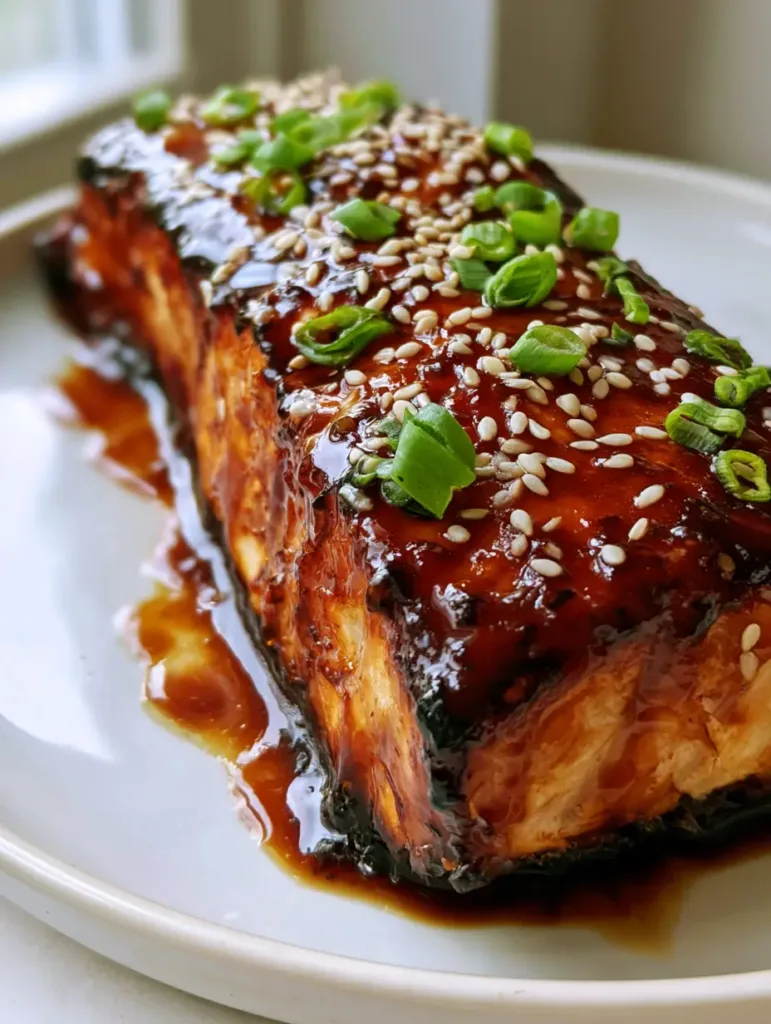
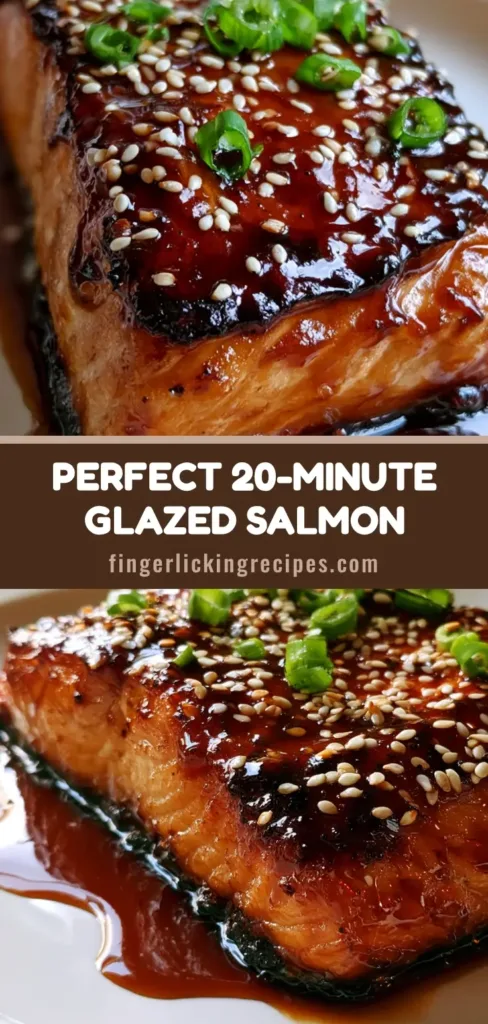
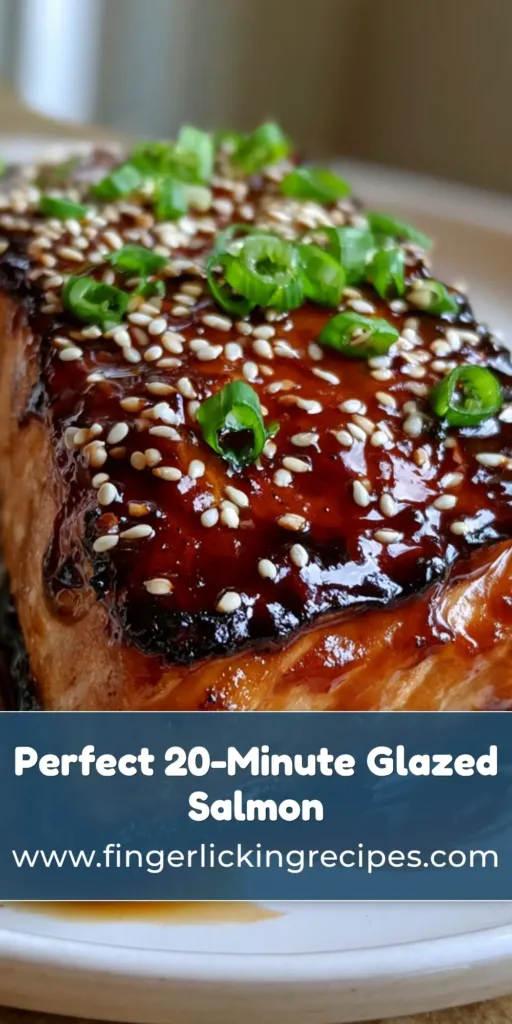
There is a specific kind of culinary magic that happens when the deep, salty notes of soy sauce meet the molasses-heavy sweetness of dark brown sugar. This Brown Sugar Glazed Salmon isn’t just another weeknight dinner; it is a masterclass in texture and visual appeal. Imagine a thick, center-cut salmon fillet, oven-baked until it achieves a perfect flake, coated in a dark amber glaze so glossy it reflects the light from your kitchen window.
When you pull this dish out of the oven, the first thing you’ll notice is the irresistible aroma of caramelized sugar and toasted sesame. The edges of the fish are deliberately charred to a crisp, mahogany finish, providing a smoky contrast to the tender, buttery interior. This recipe is designed to replicate that high-end restaurant aesthetic—complete with a syrupy glaze pooling at the base of a clean white ceramic plate.
Whether you are a seasoned home cook or a beginner looking to impress, this Brown Sugar Glazed Salmon delivers a professional result every single time. It bridges the gap between a sophisticated dinner party main and a quick, high-protein meal that takes less than thirty minutes to prepare. Let’s dive into how we achieve that iconic, “handheld smartphone photo” perfect finish.
Plating the salmon on a white dish highlights the rich colors of the glaze and scallions.
Why This Caramelized Soy Salmon Recipe Works
The Perfect Contrast: The “charred edges” specified in our visual blueprint aren’t just for looks; they provide a bitter-sweet crunch that cuts through the fatty richness of the salmon.
Glossy Amber Glaze: By using a specific ratio of brown sugar to soy, we create a syrupy reduction that clings to the fish rather than sliding off onto the pan.
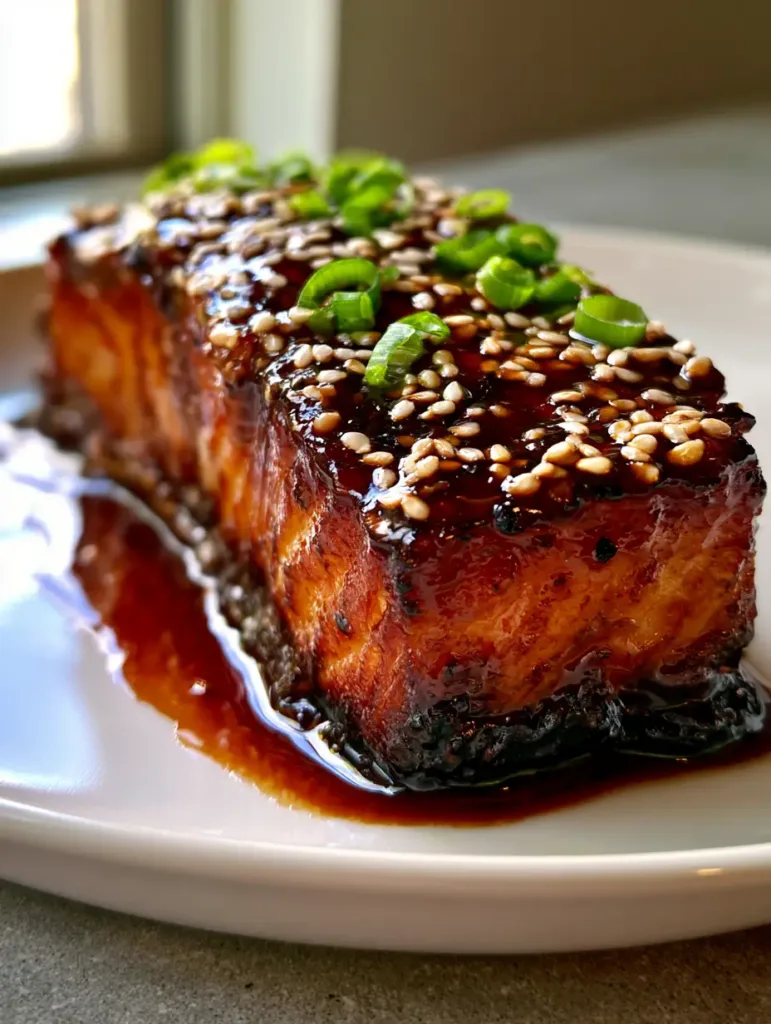
Visual Vibrancy: The stark white of the toasted sesame seeds and the bright green rounds of sliced scallions create a color palette that pops against the dark, syrupy fish.
Textural Harmony: We focus on a high-heat finish to ensure the salmon remains succulent inside while the exterior develops a thick, candy-like crust.
The Anatomy of a Perfect Brown Sugar Glazed Salmon
To achieve the result seen in professional food photography, every ingredient serves a dual purpose: flavor and physics. You cannot achieve a “thick and glossy” glaze with sugar alone; you need the right emulsifiers and heat application.
Center-Cut Salmon Fillets: You want thick fillets, ideally 1.5 to 2 inches (4-5cm) thick. This thickness allows the outside to caramelize under the broiler without the internal temperature rising too quickly and drying out the fish.
Dark Brown Sugar: While light brown sugar works, dark brown sugar contains more molasses. This is the secret to achieving that “dark amber” color and a deeper, more complex sweetness that pairs perfectly with the fish.
Low-Sodium Soy Sauce: This provides the umami base. We use low-sodium to ensure we can reduce the sauce into a thick syrup without it becoming overbearingly salty.
Toasted Sesame Oil: Just 1 tsp (5ml) adds an incredible depth of scent. It acts as the “invisible” aromatic that ties the soy and sugar together.
Fresh Garlic and Ginger: These must be grated finely. They infuse the glaze with heat and zest, ensuring the sweetness of the Brown Sugar Glazed Salmon is balanced by savory aromatics.
Rice Vinegar: A splash of acidity is required to break the surface tension of the sugar. It brightens the entire dish and helps the glaze achieve that “glossy” sheen.
Toasted White Sesame Seeds: These provide a nutty crunch. We apply them at the very end so they stay crisp and visually distinct against the dark glaze.
Fresh Green Scallions: Only the green parts should be used for the garnish. Their bright color is the “hero” accent that makes the dish look fresh and vibrant.
Essential Kitchen Tools for Flawless Results
To get those “charred edges” and the “syrupy pool” of glaze, you need the right equipment. A standard baking sheet will work, but a heavy-bottomed oven-safe skillet or a ceramic baking dish is even better for heat retention.
You will also need a small saucepan to pre-reduce the glaze. Attempting to thicken the glaze purely in the oven often leads to overcooked salmon. By simmering the sauce on the stovetop first, we control the viscosity perfectly before it ever touches the fish.
Finally, a digital meat thermometer is non-negotiable. Salmon is best pulled from the heat when it hits 135°F (57°C). The carry-over cooking will bring it to the food-safe 145°F (63°C) while maintaining a buttery, flaky texture.
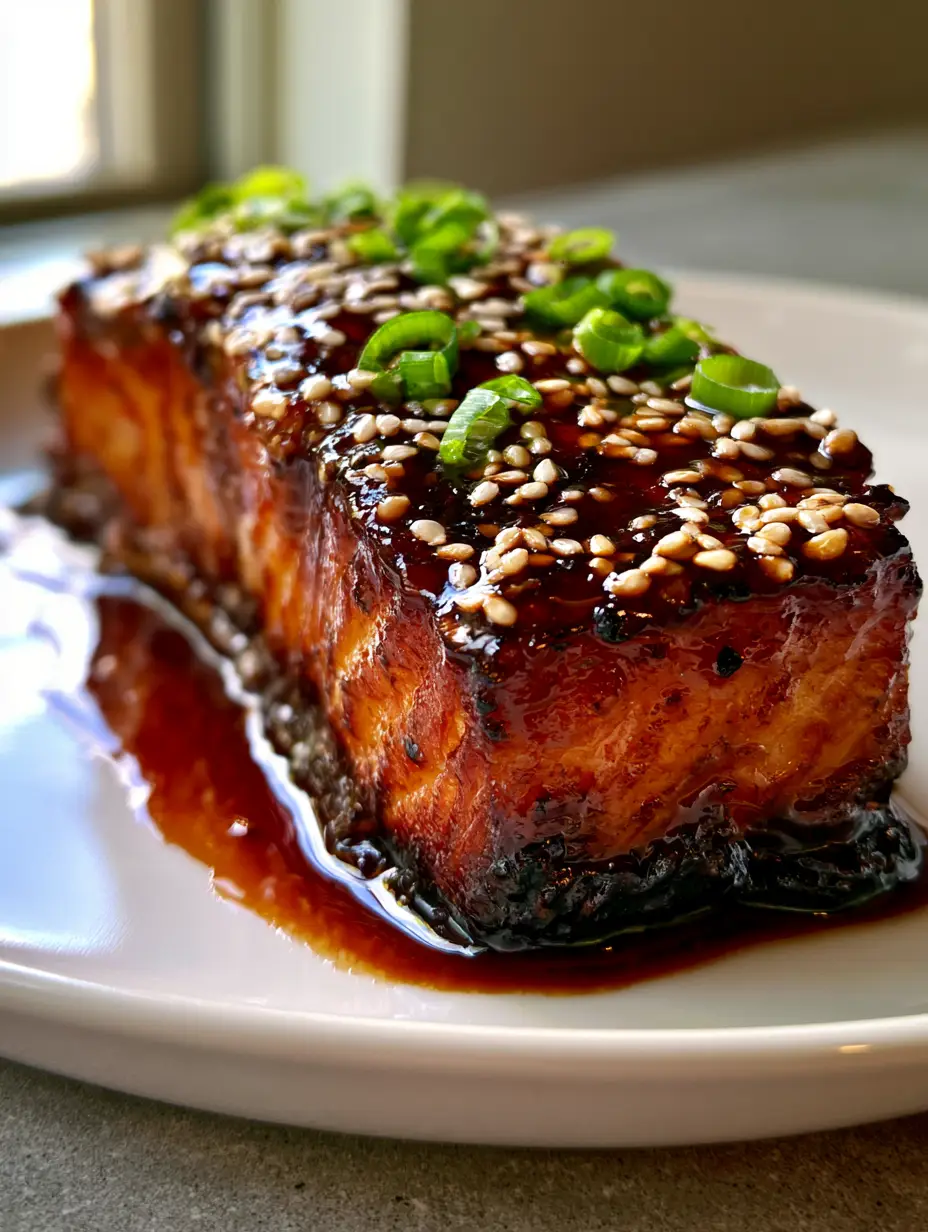
Notice the thick, glossy texture of the amber glaze and the perfectly charred edges.
Step-by-Step Instructions to Salmon Perfection
Preparing the Signature Amber Glaze
In a small saucepan, combine 1/2 cup (100g) dark brown sugar, 1/4 cup (60ml) soy sauce, 1 tbsp (15ml) rice vinegar, and 1 tsp (5ml) sesame oil. Add two cloves of grated garlic and 1 tsp (5g) of freshly grated ginger.
Whisk the mixture over medium heat until the sugar dissolves. Let it simmer for 5-7 minutes. You are looking for a “visual cue” here: the bubbles should transition from thin and watery to slow, thick, and viscous. Once it coats the back of a spoon, remove it from the heat.
Searing and Baking the Fillets
Preheat your oven to 400°F (200°C). Pat your salmon fillets bone-dry with a paper towel. This is a critical forensic step—moisture on the surface of the fish will steam it rather than allow the glaze to stick and caramelize.
Season the fillets lightly with salt and pepper. Place them on a parchment-lined tray or in a ceramic dish. Brush a generous layer of the reduced glaze over the top and sides of each fillet. The glaze should be thick enough that it doesn’t immediately run off.
Achieving the Iconic Charred Edges
Bake the salmon for 10-12 minutes depending on thickness. For the final 2-3 minutes, switch your oven to the “Broil” setting. This is where the Brown Sugar Glazed Salmon transforms.
Watch the oven closely. You will see the glaze begin to bubble violently and darken. You are looking for the very edges of the salmon to turn a deep, dark brown (almost black). This creates the “charred edges” that define the dish’s visual appeal. Remove from the oven as soon as the glaze is dark and tacky.
The Final Garnish and Presentation
Transfer the salmon to a clean white plate. If there is leftover glaze in the pan, drizzle it around the base of the fish to create that “syrupy pool” effect. Immediately sprinkle the toasted white sesame seeds over the top.
Finish with a handful of finely sliced green scallion rounds. The heat from the salmon will slightly wilt the scallions, releasing their oniony aroma without losing their bright green color.
Expert Tips for the Best Glazed Salmon
Dry the Fish: I cannot stress this enough. A wet fillet is the enemy of a glossy glaze. If the fish is wet, the sugar will slide right off into the pan.
Don’t Over-Salt: Since soy sauce is inherently salty, use a light hand with the initial seasoning. The reduction process concentrates the salt levels in the glaze.
Room Temperature: Take your salmon out of the fridge 15 minutes before cooking. This ensures even heat distribution so the center isn’t cold when the outside is charred.
Internal Link Check: If you love the combination of sweet and savory seafood, you might also enjoy this honey garlic shrimp recipe (coming soon) which uses a similar flavor profile.
What to Serve With Brown Sugar Glazed Salmon
Because this Brown Sugar Glazed Salmon is so rich and flavorful, you want side dishes that offer either a neutral base or a bright, acidic contrast. A bed of fluffy jasmine rice is the classic choice to soak up the syrupy glaze pooling on the plate.
For a low-carb alternative, consider pairing this with an egg roll in a bowl (coming soon) or some spicy roasted cabbage (coming soon). If you are looking for a complete salmon-themed spread, you can even serve it alongside a lemon garlic butter salmon (coming soon) for variety in flavors.
If you’re planning a full meal, this dish also pairs beautifully with a fresh salad like this street corn salad to add some creamy texture to the meal.
Storage, Reheating, and Meal Prep
While salmon is best enjoyed fresh from the oven to maintain that “flaky” texture, leftovers are quite delicious. Store any remaining Brown Sugar Glazed Salmon in an airtight container in the refrigerator for up to 2 days.
To reheat, avoid the microwave if possible, as it can make the fish rubbery. Instead, place the fillet in a cold oven and set it to 300°F (150°C). Heat for about 8-10 minutes until the glaze becomes tacky again. This preserves the moisture and the integrity of the caramelized edges.
The secret is two-fold: pat the salmon completely dry before glazing and pre-reduce your glaze on the stovetop until it reaches a syrupy consistency before brushing it on.
Yes, but dark brown sugar is preferred for its higher molasses content, which contributes to the deep amber color and richer flavor profile seen in the photos.
For a flaky, moist texture, pull the salmon from the oven when it reaches an internal temperature of 135°F (57°C). Carry-over cooking will bring it to the recommended 145°F (63°C).
Use thick, center-cut fillets and use the broiler for only the last 2-3 minutes of cooking. The high sugar content in the glaze will caramelize and char quickly under direct heat.
It can be! Simply swap the soy sauce for Tamari or coconut aminos, which provide the same umami depth without the gluten.
The Ultimate Brown Sugar Glazed Salmon Recipe Card
FL Recipes
Brown Sugar Glazed Salmon: The Ultimate Caramelized Oven-Baked Recipe
This Brown Sugar Glazed Salmon features a thick, center-cut fillet baked to flaky perfection. Coated in a dark amber soy-sugar glaze with charred edges, toasted sesame seeds, and fresh green scallions for a restaurant-quality finish.
1 Baking Sheet or Ceramic Dish Lined with parchment paper
1 Digital Meat Thermometer To check for 135°F internal temperature
Method
Preparation
In a small saucepan, whisk brown sugar, soy sauce, rice vinegar, sesame oil, garlic, and ginger. Simmer over medium heat for 5-7 minutes until the sauce thickens into a glossy syrup that coats the back of a spoon.
Preheat oven to 400°F (200°C). Pat the salmon fillets completely dry with paper towels. Season lightly with salt and pepper.
Cooking
Place salmon on a parchment-lined tray. Brush generously with the reduced glaze. Bake for 10 minutes.
Switch oven to broil. Cook for 2-3 additional minutes until the glaze is bubbling and the edges of the salmon are slightly charred and dark amber in color.
Finishing
Transfer salmon to a white ceramic plate. Drizzle any extra glaze from the pan around the base. Sprinkle with toasted white sesame seeds and fresh scallion rounds.
Nutrition
Calories: 412kcalProtein: 34gFat: 18gFiber: 1g
Notes
Use center-cut fillets for even cooking. Ensure the internal temperature reaches 135°F (57°C) before resting.
The perfect caramelized Brown Sugar Glazed Salmon for a quick dinner.The perfect caramelized Brown Sugar Glazed Salmon for a quick dinner.
Closing & Call to Action
This Brown Sugar Glazed Salmon is a testament to how simple ingredients can create a stunning, restaurant-quality meal. The combination of the dark amber glaze, the charred edges, and the fresh crunch of scallions makes it a visual and culinary triumph. It’s a recipe that invites you to take a photo before you take a bite.
Did you try this recipe? We would love to see your results! Leave a comment below and let us know how the glaze turned out for you. Don’t forget to share your photos and follow us on Pinterest for more visually stunning recipe inspiration!
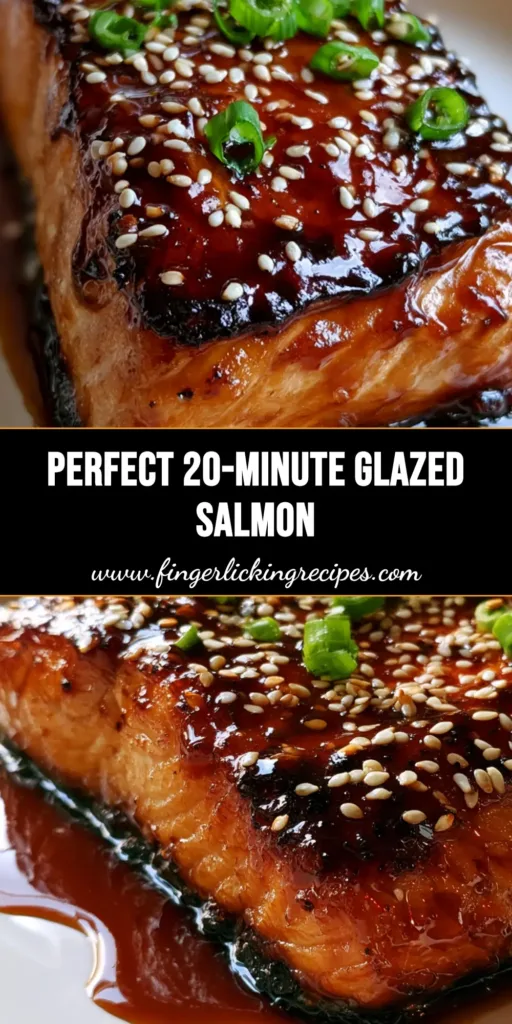
The perfect caramelized Brown Sugar Glazed Salmon for a quick dinner.
Hi, I’m Emily Carter, and welcome to FL Recipes! I share simple, healthy recipes that make cooking easy, fun, and delicious for everyone. more about me »