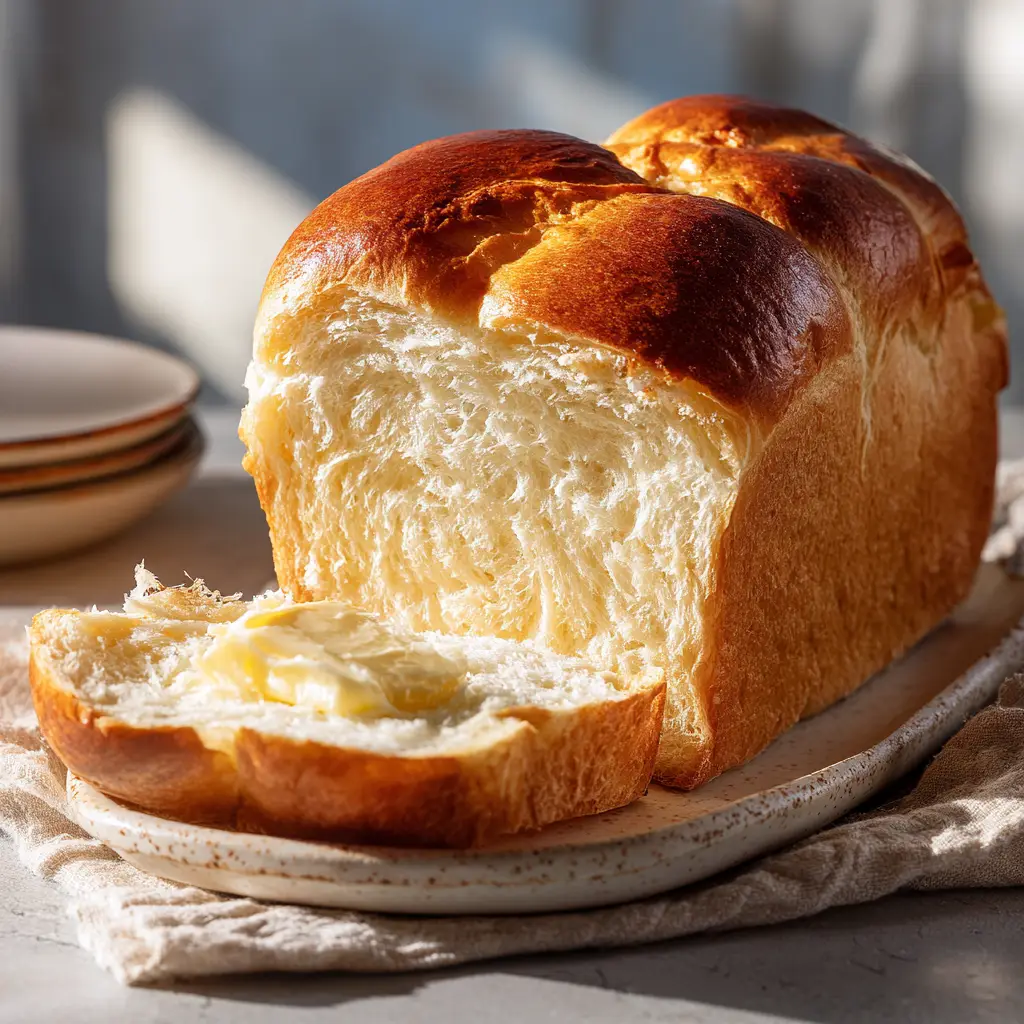
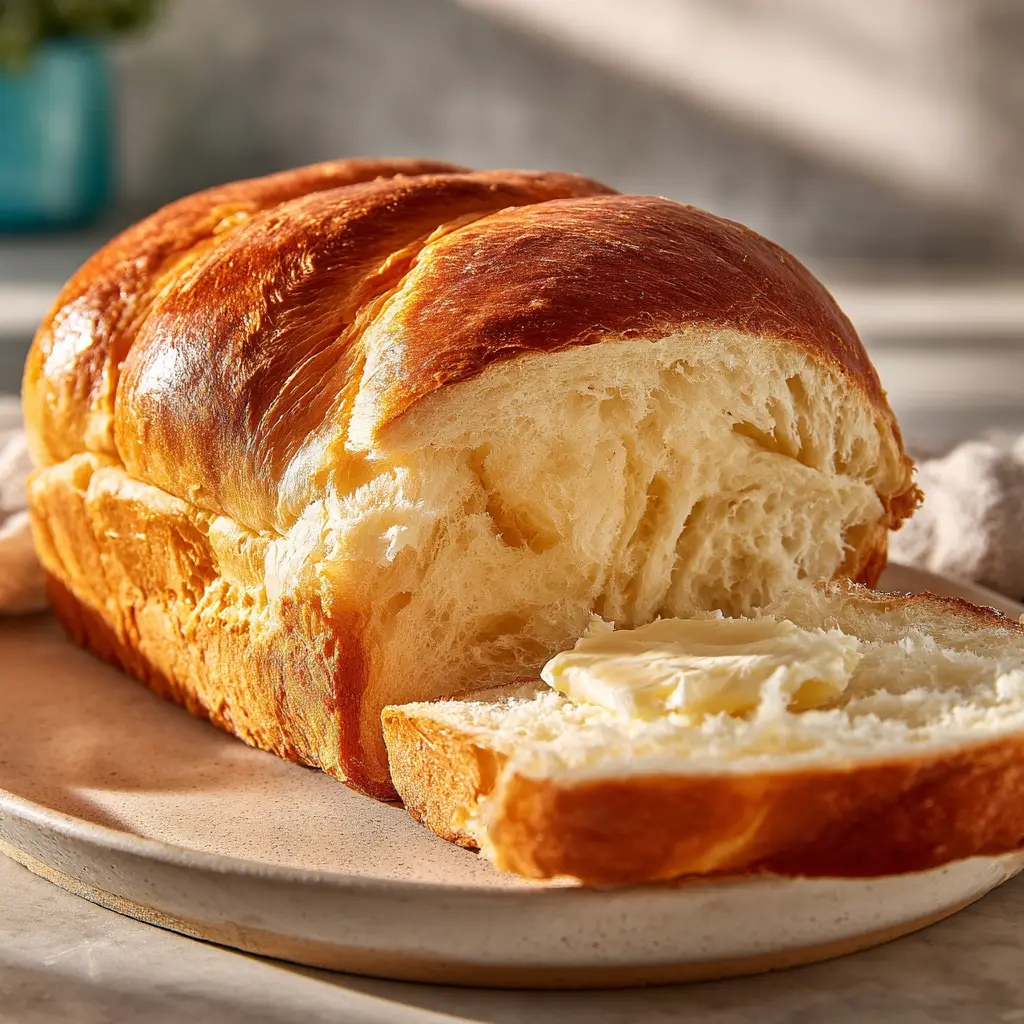
There’s nothing quite like the aroma of freshly baked bread filling your home. This Amish white bread recipe delivers just that, producing a wonderfully soft, slightly sweet loaf with a tender crumb. It’s a simple, no-fail recipe perfect for beginners and seasoned bakers alike. Whether you’re making sandwiches, toast, or just enjoying a warm slice with butter, this homemade bread is a true comfort food classic. Forget store-bought loaves; this is the only white bread recipe you’ll ever need.
Patience is the hardest part! Let it cool completely before slicing.
What Makes Amish White Bread Different?
Amish white bread is distinguished by its rich flavor and pillowy soft texture. Unlike standard white bread, it typically uses more sugar and fat (like butter or oil), which contributes to its signature sweetness and tenderness. The result is a bread that’s sturdy enough for sandwiches but soft enough to almost melt in your mouth. This recipe stays true to that tradition, creating a loaf that is both simple and incredibly satisfying.
Why You’ll Love This Recipe
Incredibly Soft & Fluffy: The perfect texture for toast, sandwiches, or just enjoying on its own.
Slightly Sweet Flavor: A hint of sweetness makes this bread irresistible to kids and adults alike.
Simple, No-Fail Method: Uses basic pantry ingredients and straightforward steps.
This recipe relies on simple, wholesome ingredients you probably already have in your pantry.
Warm Water: Crucial for activating the yeast. Make sure it’s between 110-115°F (43-46°C).
Active Dry Yeast: The leavening agent that makes the bread rise.
Sugar: Provides that classic sweetness and feeds the yeast.
Salt: Essential for flavor and for controlling the yeast’s activity.
Vegetable Oil: Adds richness and softness to the crumb.
All-Purpose Flour: The structural backbone of the bread.
Step-by-Step Instructions for Perfect Amish White Bread
Follow these simple steps to bake a perfect loaf every time.
1. Activate the Yeast
In a large mixing bowl, combine the warm water, yeast, and a pinch of sugar. Let it sit for 5-10 minutes until it becomes foamy. This “proofing” step ensures your yeast is active and ready to work its magic.
2. Mix the Dough
Once the yeast is bubbly, stir in the remaining sugar, salt, and vegetable oil. Gradually add the all-purpose flour, one cup at a time, mixing until a shaggy dough forms. Don’t add all the flour at once, as you may not need all of it.
3. Knead to Perfection
Turn the dough out onto a lightly floured surface. Knead for about 8-10 minutes, until the dough is smooth and elastic. It should spring back when you press it lightly with your finger. This step develops the gluten, which is key to a fluffy texture.
The perfect soft, fluffy crumb for any sandwich.
4. First Rise
Place the kneaded dough in a lightly oiled bowl, turning it once to coat. Cover the bowl with a clean cloth and let it rise in a warm, draft-free place for about 1 hour, or until it has doubled in size.
5. Shape and Second Rise
Gently punch down the risen dough to release the air. On a lightly floured surface, shape the dough into a loaf and place it in a greased 9×5 inch loaf pan. Cover and let it rise again for another 30-45 minutes, or until the dough has risen about 1 inch above the rim of the pan.
6. Bake the Bread
Preheat your oven to 350°F (175°C). Bake the loaf for 30-35 minutes, or until the top is golden brown and the internal temperature reaches 190°F (88°C). If it browns too quickly, you can tent it loosely with aluminum foil.
7. Cool and Enjoy
Let the bread cool in the pan for a few minutes before turning it out onto a wire rack to cool completely. While waiting for it to cool, why not plan what you’ll serve it with? It’s fantastic for soaking up the delicious broth from a bowl of Hearty Beef Stew.
Tips for Success
Check Your Yeast: Always make sure your yeast is fresh and properly proofed. If it doesn’t get foamy, it’s likely expired.
Don’t Over-Flour: Add flour gradually. Too much flour can result in a dense, dry loaf. The dough should be slightly tacky, not sticky.
Proper Kneading: Kneading is crucial for developing gluten. Don’t cut this step short!
Warm Rising Spot: A slightly warm oven (turned off) or on top of the refrigerator can be great spots for the dough to rise.
How to Store Homemade Bread
To keep your Amish white bread fresh, store it in a bread box or a sealed plastic bag at room temperature. It will stay soft for 3-4 days. For longer storage, you can slice the loaf and freeze it for up to 3 months. Just pop a slice in the toaster whenever you want a quick treat! This bread is also a fantastic base for Hawaiian Roll Cheeseburger Sliders if you have extra.
Amish bread is typically richer and sweeter than standard white bread. It often contains more sugar and fat (like butter or oil), which gives it a distinctively soft, tender crumb and a slightly sweet flavor.
Yes, you can adapt this recipe for a bread machine. Simply add the wet ingredients first, followed by the dry ingredients with the yeast on top. Set your machine to the ‘white bread’ or ‘basic’ setting for a 1.5 or 2-pound loaf.
A well-kneaded dough will be smooth and elastic. A good way to test it is the ‘windowpane test’: stretch a small piece of dough between your fingers. If you can stretch it thin enough to see light through it without it tearing, the gluten is well-developed.
Absolutely. You can use the same amount of instant yeast. The main difference is that you can skip the ‘proofing’ step and mix the instant yeast directly in with your dry ingredients.
A dense loaf is usually caused by one of three things: old or inactive yeast, adding too much flour, or not letting the dough rise long enough in a warm place. Ensure your yeast is fresh and that your dough is soft and slightly tacky after kneading.
Enjoy Your Homemade Bread!
Baking this Amish white bread is a rewarding experience that yields delicious results. We hope you and your family love this simple, comforting loaf as much as we do. If you bake it, please leave a comment below and share your creation on Pinterest!
There's nothing better than a warm slice of homemade bread.
FL Recipes
Amish White Bread: A Simple Recipe for a Soft, Sweet Loaf
Learn to bake the perfect Amish white bread with this simple, no-fail recipe. This guide delivers a wonderfully soft, slightly sweet loaf with a tender crumb, perfect for sandwiches, toast, or enjoying warm with butter.
5 1/2 - 6cupsall-purpose flourplus more for dusting
Equipment
1 Large Mixing Bowl
1 9x5 inch Loaf Pan
1 Wire Cooling Rack
Method
In a large mixing bowl, combine the warm water, yeast, and a pinch of the sugar. Let sit for 5-10 minutes until foamy.
Stir in the remaining sugar, salt, and vegetable oil. Gradually add 5 cups of flour, mixing until a shaggy dough forms.
Turn the dough onto a lightly floured surface. Knead for 8-10 minutes, adding more flour as needed, until the dough is smooth and elastic.
Place the dough in a lightly oiled bowl, cover, and let it rise in a warm place for 1 hour, or until doubled in size.
Punch down the dough. Shape it into a loaf and place it in a greased 9x5 inch loaf pan. Cover and let it rise for another 30-45 minutes.
Preheat oven to 350°F (175°C). Bake for 30-35 minutes, until the top is golden brown. The internal temperature should be 190°F (88°C).
Let the bread cool in the pan for 5 minutes before transferring it to a wire rack to cool completely before slicing.
Nutrition
Calories: 220kcalProtein: 5gFat: 5gFiber: 2g
Notes
Ensure your water isn't too hot, as it can kill the yeast. For a richer flavor, you can brush the top of the loaf with melted butter right after baking. Don't slice the bread while it's still warm, as this can lead to a gummy texture. Patience is key!
Keyword amish white bread,homemade bread,soft white bread
Hi, I’m Emily Carter, and welcome to FL Recipes! I share simple, healthy recipes that make cooking easy, fun, and delicious for everyone. more about me »