There is a specific culinary magic that happens when high-quality balsamic vinegar meets a rich, creamy base. If you have ever been frustrated by thin, watery dressings that puddle at the bottom of your salad bowl, this Creamy Balsamic Dressing is the solution you have been searching for.
This isn’t just another vinaigrette; it is a velvety, dark chocolate-brown masterpiece designed to cling to every leaf of lettuce. Inspired by the glossy, viscous texture seen in professional food photography, this dressing achieves a perfect balance of sharp acidity and smooth richness.
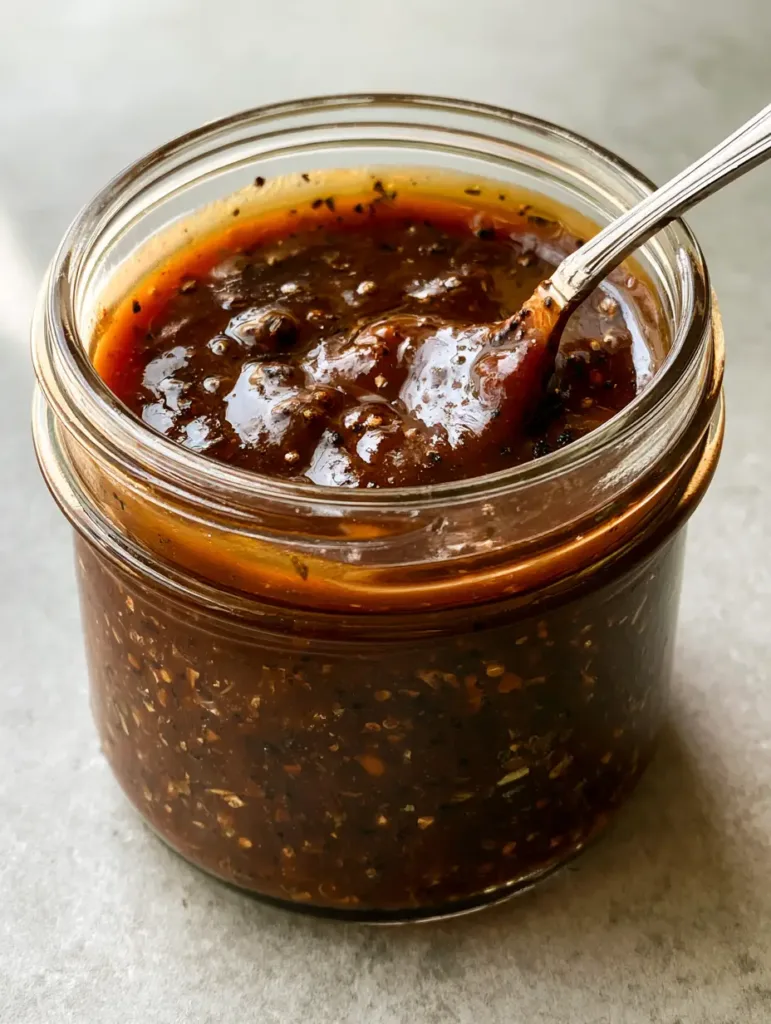
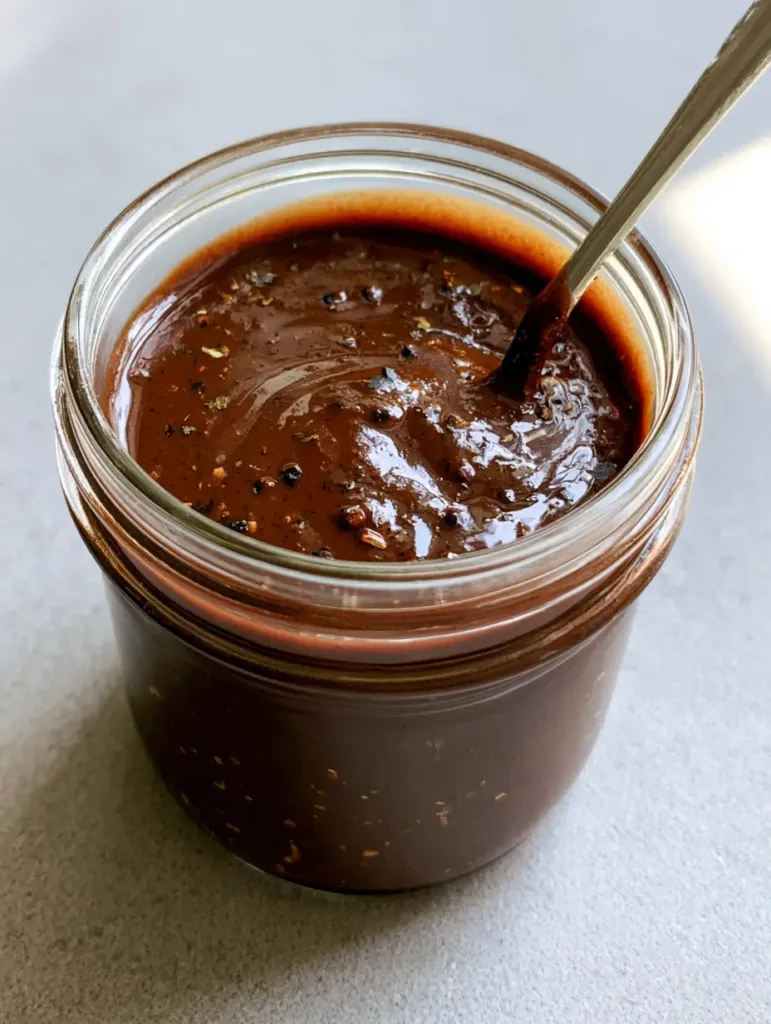
Imagine a dressing so thick it coats a silver spoon with a heavy, opaque layer, showing off flecks of cracked black pepper and dried Italian herbs. This recipe captures that exact sensory experience, delivering a restaurant-grade finish right in your own kitchen.
Suspended herbs and cracked pepper add both flavor and visual appeal.
Why This Thick Balsamic Vinaigrette Outshines the Rest
Perfect Emulsification: Unlike separated oil and vinegar, this recipe stays perfectly blended thanks to a scientific approach to emulsifiers.
Viscous Texture: The “spoon-clinging” consistency ensures your salads are never soggy and your dips are always decadent.
Visual Depth: A stunning dark chocolate hue provides a high-end aesthetic that elevates even the simplest high-protein chickpea salad.
Pantry Friendly: Made with foundational ingredients you likely already have in your cupboard.
The Anatomy of a Glossy Dark Chocolate-Brown Dressing
To achieve the visual and textural goals of a professional dressing, we must look beyond just oil and vinegar. Every ingredient in this list serves a structural or aesthetic purpose.
Balsamic Vinegar of Modena: 1/2 cup (120ml). This is the soul of the recipe, providing the deep, dark color and the complex, sugary-tart profile required for that iconic finish.
Extra Virgin Olive Oil: 1/2 cup (120ml). High-quality oil adds a fruity backnote and provides the necessary fat to create a stable, smooth emulsion.
The Creamy Base (Mayonnaise or Greek Yogurt): 1/4 cup (60g). This “invisible” stabilizer is what transforms a standard vinaigrette into a thick, opaque dressing that mimics the look of melted chocolate.
Dijon Mustard: 1 tbsp (15g). More than just flavor, Dijon acts as a natural emulsifier, binding the oil and vinegar molecules together so they never separate.
Honey or Maple Syrup: 2 tbsp (30ml). This offsets the sharp acidity of the balsamic and contributes to the glossy, light-reflecting sheen of the final product.
Dried Oregano Flakes: 1 tsp (1g). These provide the classic Italian herb profile and add visible green specks that contrast beautifully against the dark liquid.
Cracked Black Pepper: 1/2 tsp (1g). Freshly cracked pepper provides a larger “suspended particle” look than fine ground pepper, adding rustic visual appeal and a localized bite.
Kosher Salt: 1/2 tsp (3g). Salt is essential for brightening the balsamic notes and ensuring the herbs pop on the palate.
Garlic Powder: 1/2 tsp (1g). This provides an even, savory foundation without the chunky texture of fresh garlic, keeping the dressing smooth.
Essential Tools for a Professional Emulsion
Achieving a thick, glossy texture requires more than just a quick stir. You will need a clear glass mason jar for storage and a small whisk or an immersion blender to force the molecules into a stable state.
If you prefer a more rustic look, a simple silver spoon can be used to vigorously stir the ingredients within the jar. The jar allows you to see the dark, viscous liquid develop as you work, ensuring you reach that perfect opacity.
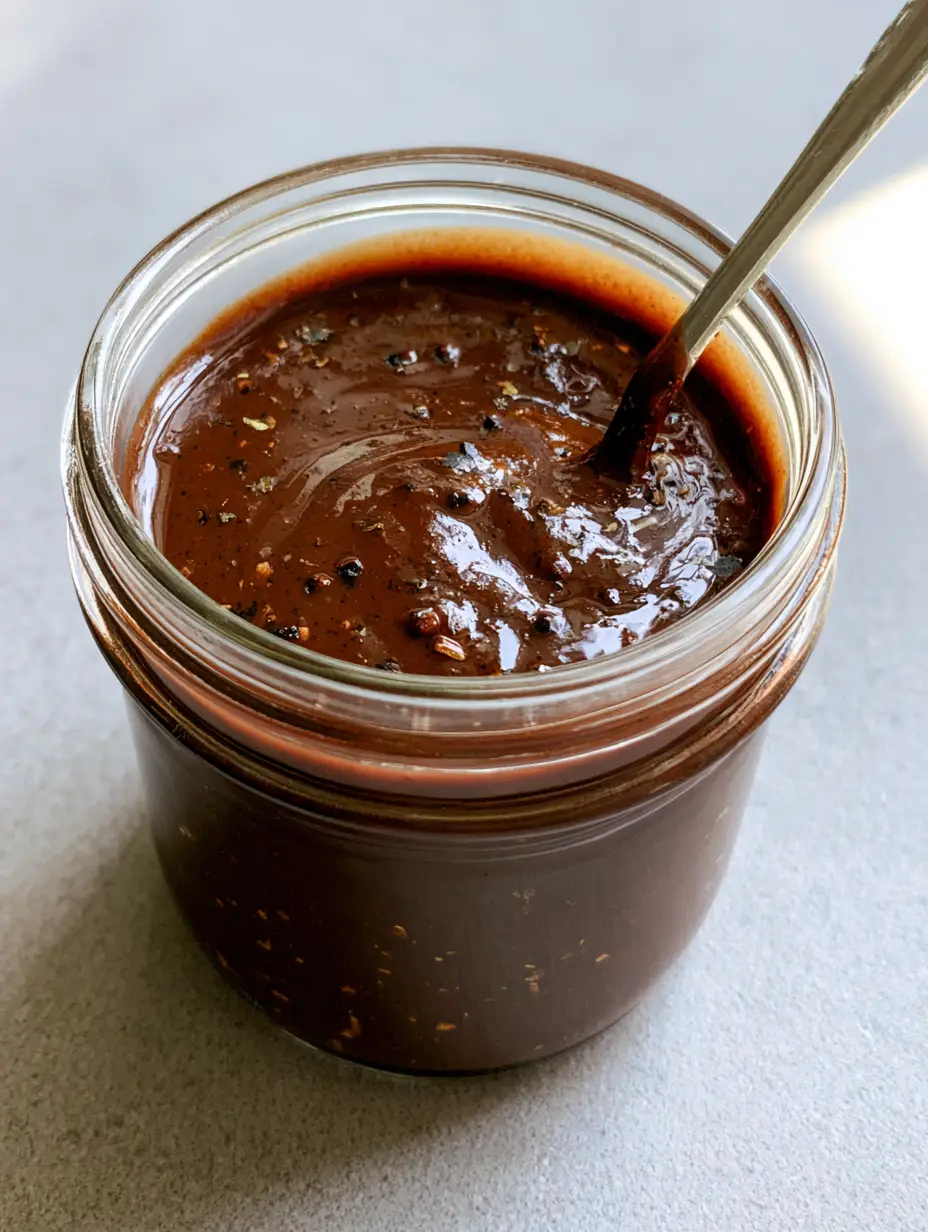
Notice how the dressing clings to the silver spoon, indicating a perfect emulsion.
How to Create the Perfect Creamy Balsamic Emulsion
Phase 1: The Flavor Foundation
In your clear glass mason jar, combine the balsamic vinegar, Dijon mustard, honey, salt, garlic powder, dried oregano, and cracked black pepper. Use your silver spoon to whisk these together until the salt has dissolved and the mustard is fully integrated into the vinegar.
At this stage, the mixture will look like a dark, thin syrup. The smell should be sharply acidic but balanced by the floral notes of the oregano and the sweetness of the honey.
Phase 2: Introducing the Creamy Base
Add your mayonnaise or Greek yogurt to the jar. This is the critical step for achieving the “viscous dark chocolate” look described in our visual blueprint.
Whisk the creamy base into the vinegar mixture until no white streaks remain. You will notice the color shift slightly toward a lighter, richer brown, and the texture will begin to thicken significantly.
Phase 3: The Slow Emulsification
While stirring constantly with your silver spoon or whisk, slowly drizzle in the extra virgin olive oil. If you pour too fast, the dressing may remain thin or oily; a slow stream allows the oil to break into tiny droplets that stay suspended in the liquid.
Continue whisking until the dressing is glossy and thick. You will know it is ready when the liquid has a heavy, velvet-like movement when the jar is tilted. It should cling to the silver spoon, creating a thick coating that doesn’t immediately slide off.
Expert Tips for a Chef-Quality Dressing
Temperature Matters: Ensure your creamy base (mayonnaise or yogurt) is at room temperature before mixing to help the emulsion form more easily.
The Resting Period: Let the dressing sit for at least 30 minutes before serving. This allows the dried oregano to hydrate and the cracked pepper to infuse the liquid.
Adjusting Thickness: If the dressing is too thick, whisk in a teaspoon of water. If it is too thin, add another teaspoon of the creamy base.
Quality of Balsamic: Use a balsamic vinegar with a slightly syrupy consistency for the best “chocolate-brown” visual results.
The Science of Emulsions in Salad Dressings
Why do we use mustard and mayonnaise? Oil and vinegar are naturally “hydrophobic”—they don’t like each other. To get them to stay together in a thick, creamy state, we need an emulsifier.
Mustard contains mucilage, and mayonnaise contains egg yolks (lecithin). These molecules act as a bridge between the oil and vinegar. This results in the viscous, stable texture that makes this dressing perfect for a grilled chicken bites dip or a robust salad topper.
Storage and Shelf-Life Guidelines
Store your dressing in the same clear glass mason jar used for mixing. Because this contains a creamy base, it must be kept in the refrigerator.
This dressing will stay fresh and delicious for up to 7 days. Note that the olive oil may solidify slightly when cold; simply let the jar sit on the counter for 10 minutes and give it a vigorous shake before using it on your Greek chicken gyros.
What to Serve With Creamy Balsamic Dressing
This dressing is incredibly versatile. Its thick texture makes it an excellent marinade for one-pot creamy garlic pasta when you want to add a tangy punch.
It also pairs beautifully with roasted vegetables or as a drizzle over a grilled shrimp bowl. The richness of the balsamic complements the char of the grill perfectly.
A thin dressing usually results from pouring the oil too quickly or not using enough emulsifier (mustard or mayonnaise). Whisk in an extra teaspoon of mayonnaise to thicken the structure.
Natural separation can occur if the olive oil solidifies. Simply let it sit at room temperature for 10 minutes and give it a vigorous shake to re-emulsify.
The Ultimate Thick Creamy Balsamic Dressing Recipe
FL Recipes
Creamy Balsamic Dressing: The Ultimate Glossy and Thick Emulsified Vinaigrette
This Creamy Balsamic Dressing is a thick, restaurant-quality vinaigrette featuring a glossy dark chocolate-brown hue. Perfectly emulsified with dried oregano and cracked pepper, it's designed to cling to every bite of your favorite salad.
1/2cup (120ml)Balsamic VinegarPreferably of Modena
1/2cup (120ml)Extra Virgin Olive Oil
1/4cup (60g)MayonnaiseCan substitute with Greek yogurt
1tbsp (15g)Dijon MustardActs as an emulsifier
2tbsp (30ml)HoneyOr maple syrup
1tsp (1g)Dried OreganoFlakes
1/2tsp (1g)Cracked Black PepperFreshly cracked for texture
1/2tsp (3g)Kosher Salt
1/2tsp (1g)Garlic Powder
Equipment
1 Mason Jar Clear glass for visual monitoring
1 Whisk or Silver Spoon For emulsifying the oil and vinegar
Method
Combine Base Ingredients
In a glass mason jar, combine the balsamic vinegar, honey, Dijon mustard, salt, garlic powder, oregano, and black pepper. Whisk with a silver spoon until the mixture is uniform and the salt is dissolved.
Add the mayonnaise (or yogurt) to the jar. Stir vigorously until the mixture turns a glossy dark brown and no white streaks remain.
Emulsify the Oil
Slowly drizzle in the olive oil while whisking constantly. The dressing will thicken and become viscous.
Continue whisking until the dressing coats the back of a silver spoon thickly. It should be opaque and show suspended particles of pepper and herbs.
Nutrition
Calories: 110kcalFat: 11g
Notes
For the best flavor, let the dressing rest for 30 minutes before use. If the dressing thickens too much in the fridge, let it sit at room temperature for a few minutes and shake well.
The perfect thick and glossy Creamy Balsamic Dressing.
Closing & Call to Action
Creating a restaurant-quality dressing at home is a simple way to elevate your daily meals. The deep, glossy finish and the perfect balance of herbs and acid make this Creamy Balsamic Dressing a staple in any kitchen. If you enjoyed this recipe, please leave a comment below and share your results on Pinterest!
Hi, I’m Emily Carter, and welcome to FL Recipes! I share simple, healthy recipes that make cooking easy, fun, and delicious for everyone. more about me »