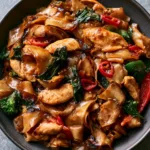
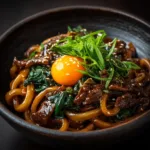
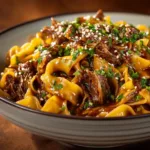
Craving that perfect Easy Chow Mein Recipe that rivals your favorite late-night takeout spot? Look no further than this restaurant-quality dish that brings the authentic “wok hei” experience straight to your home kitchen.
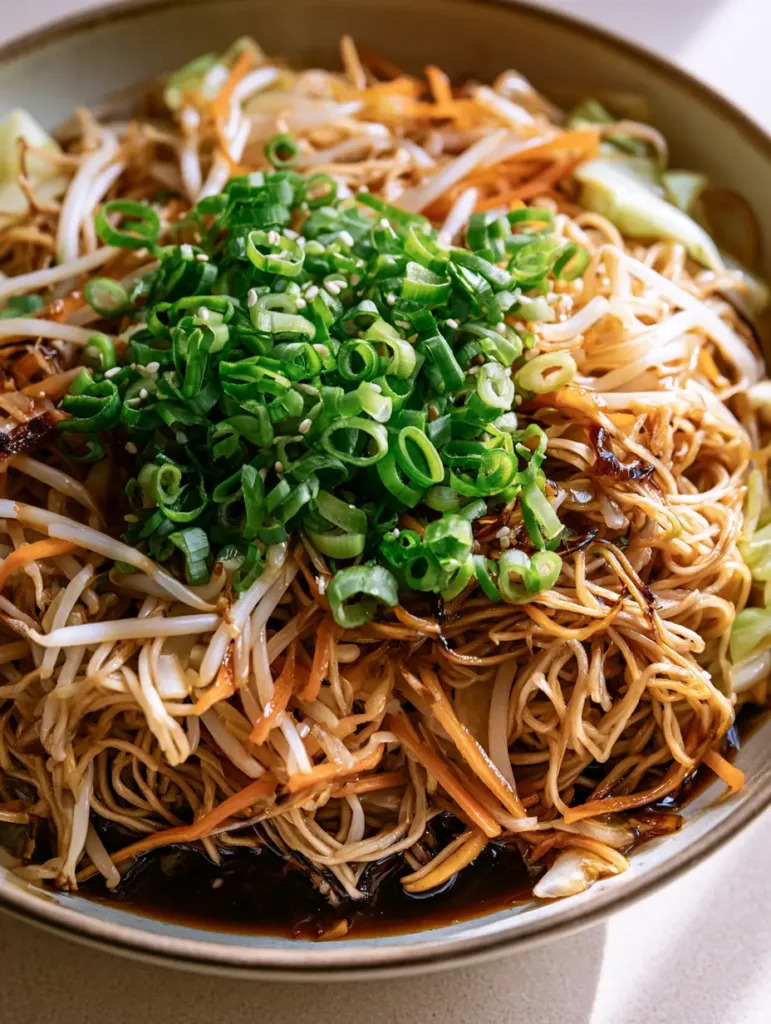
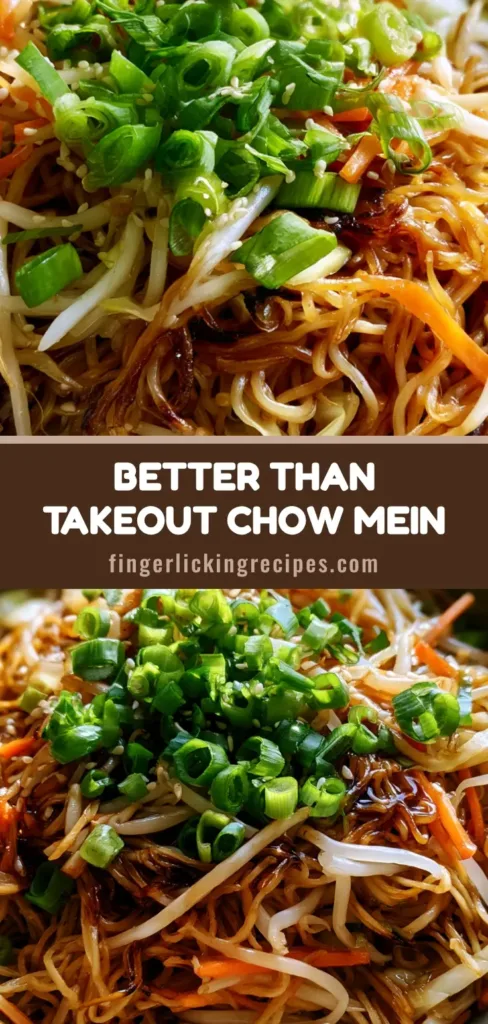
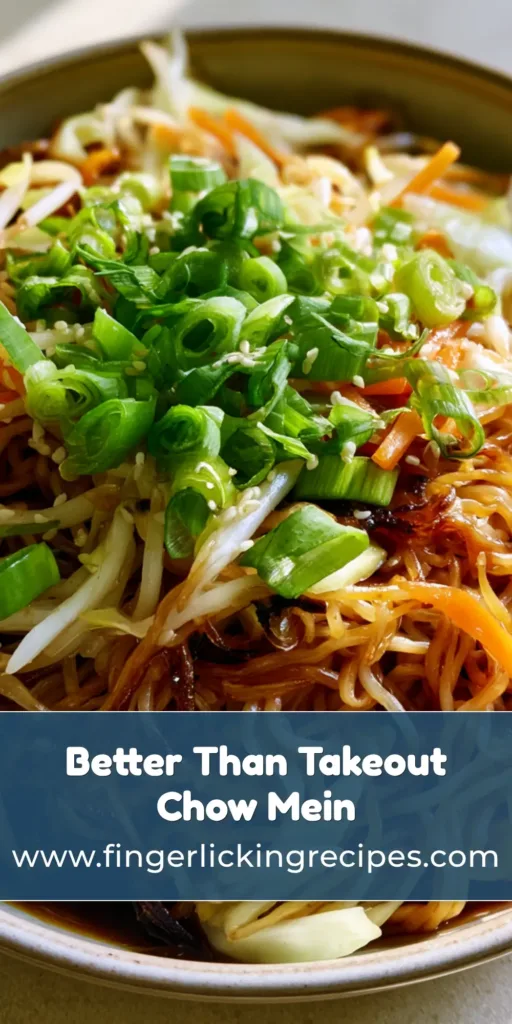
This recipe focuses on the delicate balance of textures, from the thin wheat noodles with visible wok-charred edges to the glossy dark amber soy sauce coating that clings to every strand. It is a visual and culinary masterpiece designed for the enthusiastic home cook.
Whether you are a seasoned stir-fry pro or a beginner looking to master the art of the wok, this guide will walk you through the science of achieving that signature handheld smartphone-photo-worthy finish. Let’s dive into the world of savory, salty, and slightly sweet noodles.
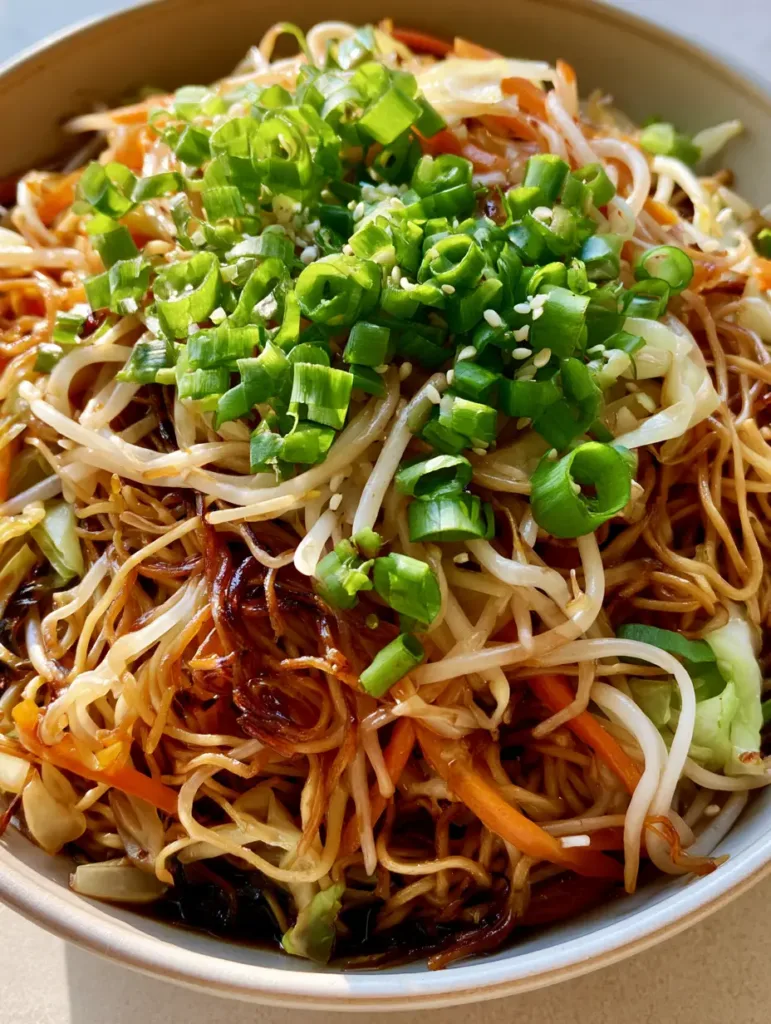
Crisp vegetables and translucent bean sprouts add the perfect crunch.
The Visual Allure: Why This Easy Chow Mein Recipe Works
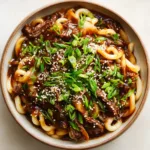
The beauty of a professional-grade stir-fry lies in the contrast of colors and the integrity of the ingredients. When you plate this dish, you are looking for specific sensory cues that signal a successful cook.
The Noodle Texture: Thin wheat noodles should be springy to the touch but feature distinctive browned, crispy edges from high-heat searing.
The Glaze: A dark, translucent amber sauce that provides a rich sheen without becoming clumpy or overly oily.
Vegetable Contrast: Vibrant orange julienned carrots and pale green cabbage provide a crunch that offsets the soft, savory noodles.
The Garnish: A generous scattering of bright green scallion rings and tiny white sesame seeds adds a final layer of professional polish.
If you enjoy the balance of textures found here, you might also love our savory egg roll in a bowl (coming soon), which utilizes similar vegetable prep techniques for a low-carb alternative.
Essential Components for the Perfect Wok-Seared Stir-Fry
To achieve the result seen in our visual blueprint, we must select ingredients that stand up to the intense heat of a stir-fry. Every item in this Easy Chow Mein Recipe serves a specific structural and flavor purpose.
Thin Wheat Noodles: You will need 12 oz (340g) of dried or fresh thin wheat noodles. These are the backbone of the dish, providing the necessary surface area for the sauce to cling to.
Dark and Light Soy Sauce: A combination of 2 tbsp (30ml) light soy sauce for saltiness and 1 tbsp (15ml) dark soy sauce for that deep amber color. Dark soy sauce is thicker and less salty, primarily used for its staining power and rich molasses undertones.
Oyster Sauce: 2 tbsp (30ml) of high-quality oyster sauce provides the “umami” foundation. It adds a savory depth that soy sauce alone cannot achieve.
Toasted Sesame Oil: 1 tsp (5ml) added at the very end. This is a finishing oil used for its nutty aroma rather than a cooking oil.
Aromatic Base: 3 cloves of minced garlic and 1 tsp (5g) of grated fresh ginger. These invisible ingredients infuse the oil before the noodles ever hit the pan.
The Vegetable Medley: 1 cup (100g) julienned orange carrots, 2 cups (150g) thinly sliced green cabbage, and 1 cup (100g) translucent bean sprouts. These provide the volume and the essential “snap” in every bite.
Invisible Essentials: 2 tbsp (30ml) of high-smoke point oil (like peanut or vegetable oil) and a pinch of white pepper. The oil is critical for searing the noodles without burning them.
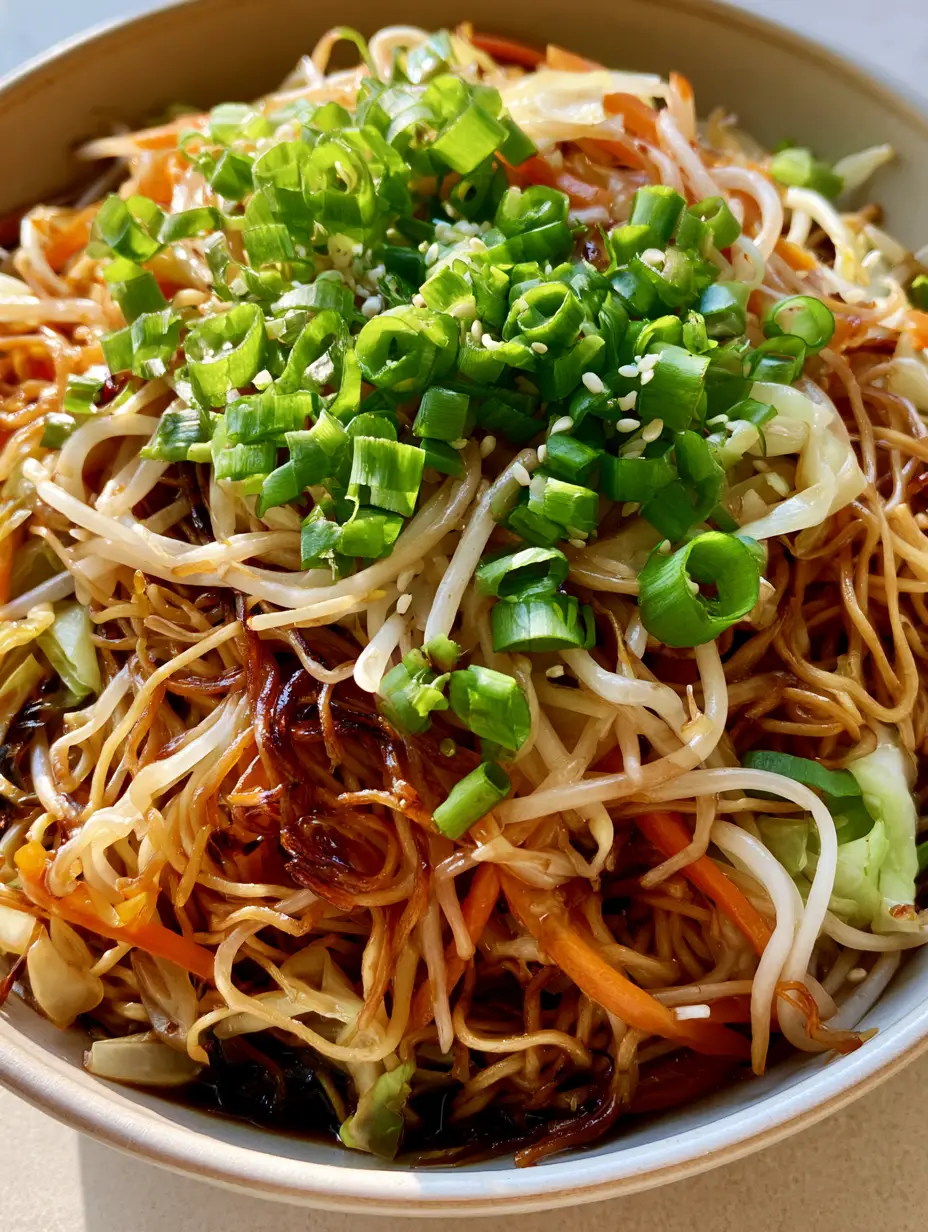
Notice the dark amber glaze and charred edges on the thin wheat noodles.
Mastering the “Wok Hei”: Equipment You Need
While you can use a large skillet, a carbon steel wok is the preferred tool for this Easy Chow Mein Recipe. The sloping sides allow you to move ingredients rapidly, preventing steaming and encouraging searing.
A high-quality chef’s knife is also essential for achieving the “julienned” look on the carrots. Precise cutting ensures that all vegetables cook at the same rate, maintaining their vibrant colors and crisp textures.
You will also need a pair of long kitchen tongs or a wok spatula (chuan). These tools allow you to lift and toss the noodles, ensuring the dark soy glaze is evenly distributed without breaking the thin wheat strands.
Detailed Step-by-Step Instructions for Success
1. Preparing the Noodle Foundation
Bring a large pot of water to a boil. Add the 12 oz (340g) thin wheat noodles and cook for 1-2 minutes less than the package instructions. They should be “al dente” or slightly firm to the bite.
Drain the noodles immediately and rinse under cold running water. This stops the cooking process and removes excess starch, which prevents the noodles from sticking together during the stir-fry phase. Toss with a teaspoon of oil to keep them separated.
2. Whisking the Dark Amber Glaze
In a small mixing bowl, combine the light soy sauce, dark soy sauce, oyster sauce, 1 tsp (5g) sugar, and white pepper. Whisk until the sugar is fully dissolved.
This sauce is the secret to the glossy, professional finish. The dark soy sauce provides the “amber” tint seen in our handheld smartphone photo, while the sugar helps the sauce caramelize against the hot metal of the wok.
3. The High-Heat Vegetable Sear
Heat your wok over high heat until a wispy bead of smoke appears. Add 1 tbsp (15ml) of oil and swirl to coat the surface. Toss in the julienned carrots and sliced green cabbage.
Stir-fry for only 60-90 seconds. You want the cabbage to be slightly wilted but still “pale green” and the carrots to remain crisp. Remove the vegetables from the wok and set aside; this prevents them from becoming mushy while we sear the noodles.
4. Achieving the Wok-Charred Edges
Wipe the wok clean and add another tablespoon of oil. Add the minced garlic and ginger, stirring for 10 seconds until fragrant. Immediately add the parboiled noodles.
Spread the noodles out across the surface of the wok and let them sit undisturbed for 30 seconds. You should hear a vigorous sizzling sound. This is where the “wok-charred edges” are created. Flip and repeat on the other side until you see golden-brown patches.
5. The Final Assembly and Garnish
Pour the sauce mixture over the noodles. Use your tongs to toss vigorously, ensuring every strand is coated in the dark amber glaze. Return the cooked carrots and cabbage to the wok and add the translucent bean sprouts.
Toss for another 30-60 seconds. The bean sprouts should just barely soften, remaining translucent and crunchy. Turn off the heat and drizzle with the toasted sesame oil. Garnish with a generous scattering of chopped green onions and white sesame seeds.
Expert Tips for the Ultimate Chow Mein
Don’t Overcrowd the Pan: If you are doubling this Easy Chow Mein Recipe, cook it in two batches. Overcrowding drops the temperature of the wok, leading to soggy, steamed noodles instead of charred ones.
Dry Your Noodles: Ensure the noodles are as dry as possible after rinsing. Excess water creates steam, which prevents the noodles from achieving that beautiful sear.
The Sugar Factor: Don’t skip the tiny amount of sugar in the sauce. It is essential for the Maillard reaction, which creates the complex savory-sweet flavor profile.
Prep Everything in Advance: Stir-frying happens fast. Have your vegetables julienned and your sauce whisked before you even turn on the stove.
Storage, Reheating, and Freezing
While this Easy Chow Mein Recipe is best served immediately for maximum texture, leftovers can be stored in an airtight container in the refrigerator for up to 3 days.
To reheat, avoid the microwave if possible. Instead, toss the noodles back into a hot skillet with a splash of water or extra soy sauce. This helps revive the glossy glaze and maintains the integrity of the wheat noodles.
Freezing is not recommended for this dish, as the cabbage and bean sprouts will lose their structural integrity and become watery upon thawing.
What to Serve With This Easy Chow Mein Recipe
This dish is a complete meal on its own, but it also pairs beautifully with other Asian-inspired proteins. For a high-protein feast, serve these noodles alongside our Honey Garlic Shrimp (coming soon).
If you are looking for more vegetable-forward sides, our Spicy Roasted Cabbage (coming soon) offers a different flavor profile that complements the savory soy glaze perfectly.
For those who enjoy a variety of textures, consider starting your meal with a bowl of Egg Roll in a Bowl (coming soon) or a side of Lemon Garlic Butter Salmon (coming soon) for a fusion-style dinner.
The primary difference lies in the preparation of the noodles. Chow Mein noodles are stir-fried until they achieve a crispy, charred texture, whereas Lo Mein noodles are usually boiled and then tossed in sauce without the high-heat searing.
Yes, you can substitute the wheat noodles for gluten-free brown rice noodles and use tamari or liquid aminos in place of the soy sauces. Ensure your oyster sauce is also certified gluten-free.
The secret is to use a very hot wok and let the noodles sit undisturbed for about 30 seconds before tossing. This allows the heat to caramelize the sugars in the sauce against the noodle surface.
Mushy noodles usually result from overboiling or excess moisture in the wok. Always cook your noodles al dente and rinse them in cold water to stop the cooking process before stir-frying.
This Easy Chow Mein Recipe delivers authentic wok-seared thin wheat noodles coated in a glossy dark amber soy sauce glaze with crisp julienned carrots, cabbage, and bean sprouts.
Mastering this Easy Chow Mein Recipe is a rite of passage for any home cook who loves bold, savory flavors and satisfying textures. By focusing on high-heat techniques and the right balance of soy sauces, you can create a dish that looks just as good as it tastes.
Did you achieve those perfect wok-charred edges? We want to hear about it! Leave a comment below and tell us how your stir-fry turned out. Don’t forget to follow us on Pinterest for more visually stunning recipe inspiration!
The ultimate 15-minute weeknight dinner: Easy Chow Mein.
Hi, I’m Emily Carter, and welcome to FL Recipes! I share simple, healthy recipes that make cooking easy, fun, and delicious for everyone. more about me »