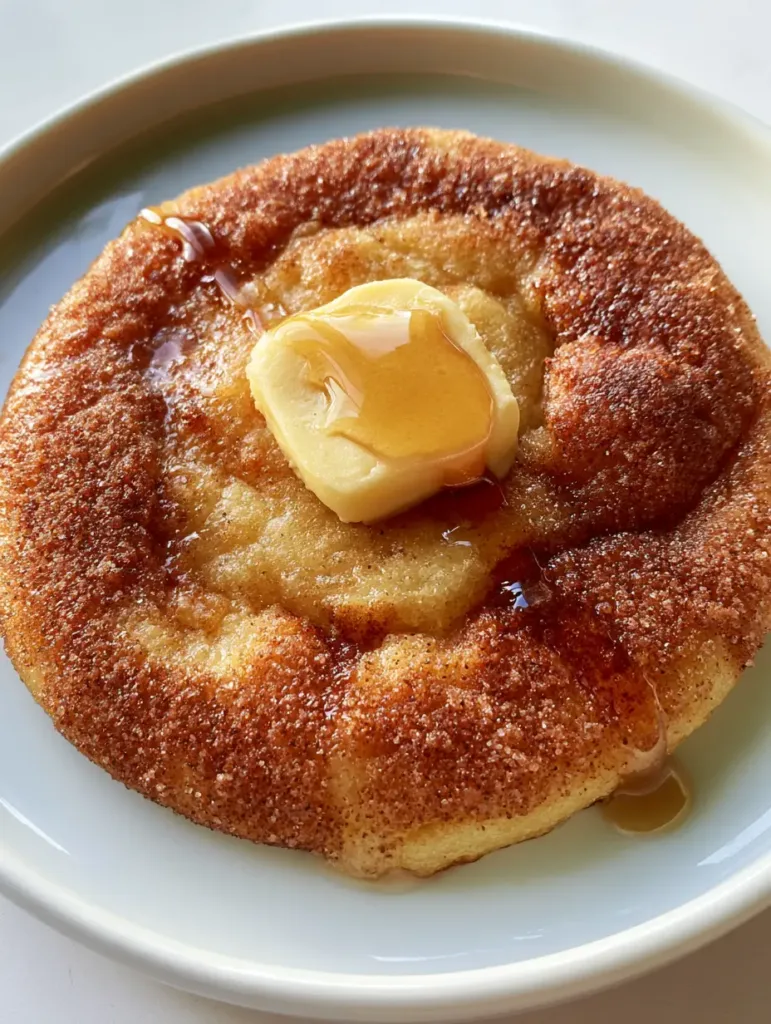
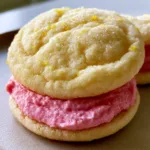
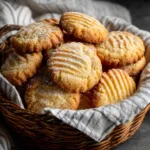
French Toast Cookies are the ultimate breakfast-meets-dessert crossover, capturing every nuanced flavor of a golden-brown slice of brioche soaked in custard. Imagine a thick, soft-baked cinnamon sugar cookie that shatters slightly at the edge before giving way to a chewy, melt-in-your-mouth center. This isn’t just a cookie; it’s a sensory experience that mirrors the comforting warmth of a slow Sunday morning.
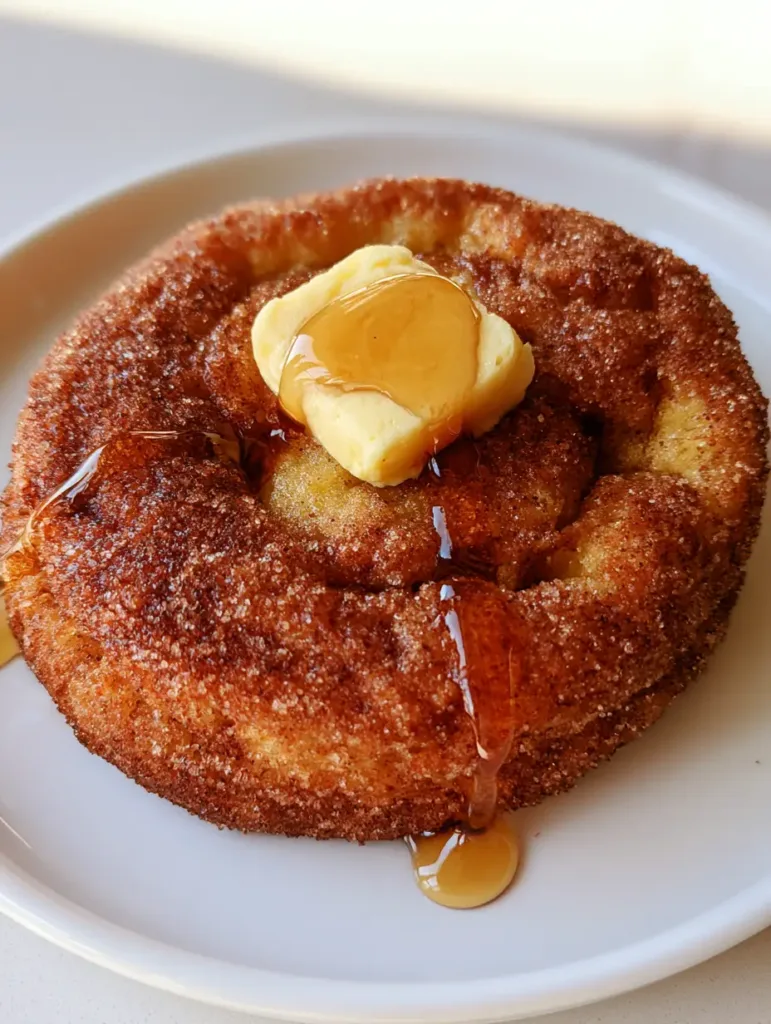
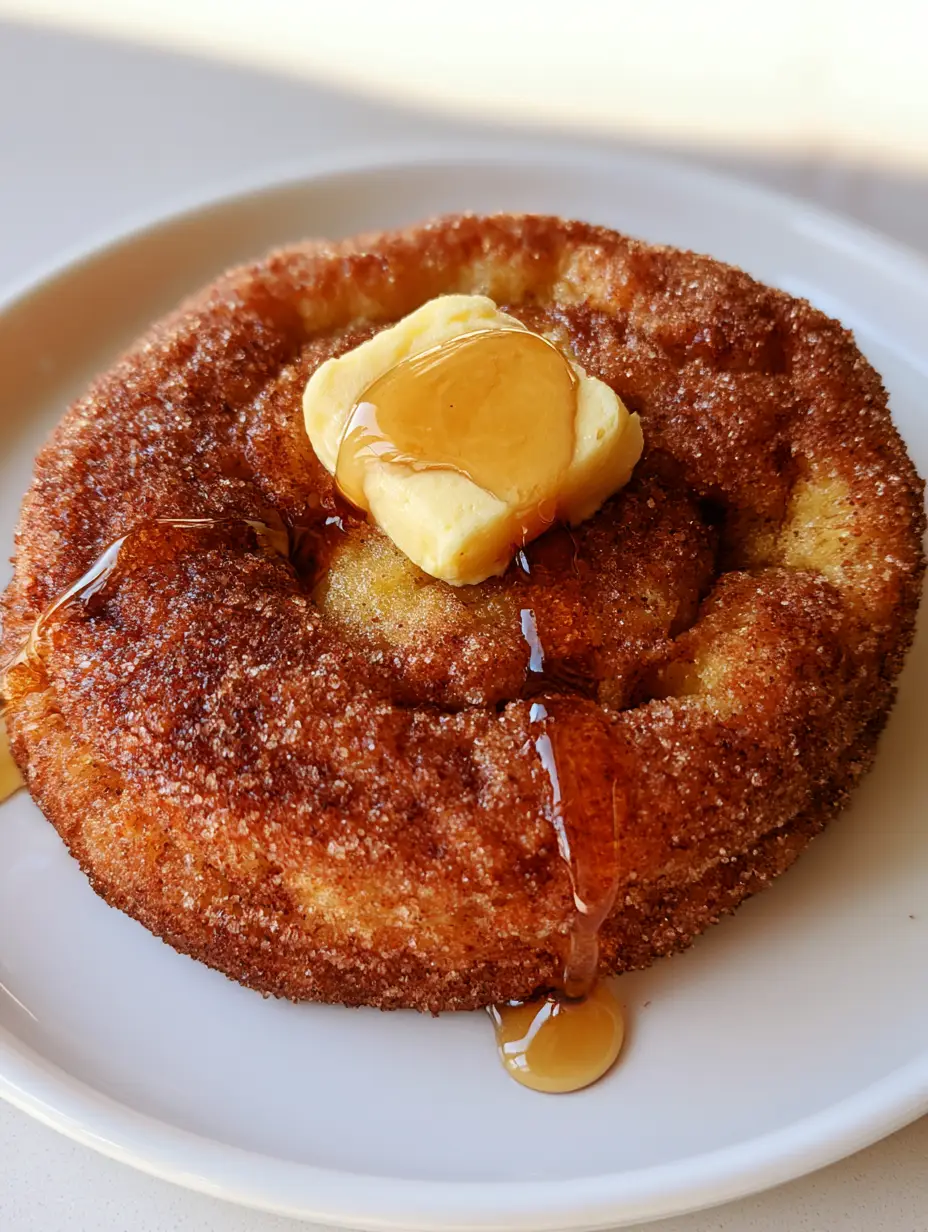
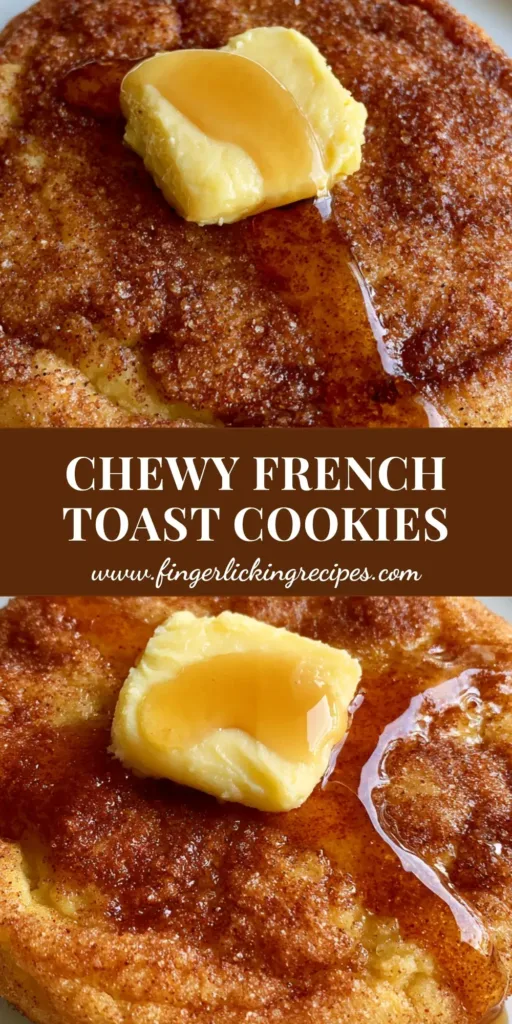
The visual appeal of these cookies is undeniable, featuring a heavy coating of granulated cinnamon sugar that sparkles under natural light. Topped with a neat, pale yellow square of buttercream designed to look like a melting pat of butter, and finished with a glossy, translucent amber maple syrup drizzle, they look exactly like a handheld stack of flapjacks. Whether you are a fan of breakfast for dinner or simply crave a gourmet treat, this recipe delivers on every promise of texture and taste.
The neat 'butter pat' frosting makes these cookies look exactly like real French toast.
Why You Will Fall in Love With These Breakfast-Inspired Treats
Unrivaled Texture: These cookies are engineered for a “soft-baked” finish, providing a thick, pillowy bite that stays moist for days.
Visual Forensics: From the sparkly granulated sugar coating to the glossy syrup drizzle, these cookies are a showstopper for social media and brunch parties.
Cinnamon-Spiced Depth: We use a high-quality Saigon cinnamon to ensure the spice is prominent enough to stand up against the rich maple notes.
The “Butter Pat” Surprise: The pale yellow buttercream isn’t just for looks; it adds a creamy, salty-sweet element that balances the sugary coating perfectly.
Essential Components for the Ultimate Breakfast Cookie
To achieve the specific visual and structural results of these French Toast Cookies, every ingredient serves a dual purpose of flavor and architecture. We are building a cookie that is sturdy enough to hold a “pat of butter” but soft enough to mimic custard-soaked bread.
Unsalted Butter (1 cup / 226g): The foundation of our cookie. Using room-temperature butter allows for proper aeration during the creaming process, which creates those tiny air pockets necessary for a soft, thick structure.
Granulated Sugar (1 cup / 200g): This provides sweetness and helps the cookies spread just enough while contributing to the crisp, sparkly exterior when combined with cinnamon for the rolling process.
Light Brown Sugar (1/2 cup / 100g): The molasses content in brown sugar is the secret to a chewy, “soft-baked” texture. It also adds a hint of caramel flavor that complements the maple drizzle.
Large Eggs (2): These act as the binding agent. The fats in the yolks contribute to the rich, custard-like flavor profile that defines a true French toast experience.
Maple Extract (1 tsp / 5ml): While we use real syrup for the drizzle, adding extract to the dough ensures the maple flavor is baked into the very DNA of the cookie.
All-Purpose Flour (3 cups / 375g): The structural skeleton of our cookie. We measure this carefully to ensure the cookies remain “thick” and don’t flatten out into pancakes.
Cornstarch (2 tsp / 10g): A professional baker’s secret for “soft-baked” results. Cornstarch softens the proteins in the flour, resulting in a tender, delicate crumb.
Cream of Tartar (1 tsp / 5g): This provides the subtle tang and signature chewiness found in snickerdoodles, which serves as the perfect base for our cinnamon coating.
Cinnamon & Sugar Mixture: A blend of 1/4 cup (50g) granulated sugar and 1 tbsp (8g) ground cinnamon for rolling. This creates the “heavy coating of cinnamon sugar granules” mentioned in our visual blueprint.
Pure Maple Syrup: Choose a Grade A Amber syrup for that “glossy, translucent” look. It needs to be thick enough to drizzle without immediately soaking into the cookie.
If you love the combination of savory and sweet breakfast flavors, you might also enjoy our French Toast Fried Chicken Sandwich for your next weekend brunch.
Professional Tools for Gourmet Results
Achieving the look of a “handheld smartphone photo” masterpiece requires a few specific tools. While the recipe is simple, the execution of the visual details is where the magic happens.
A large cookie scoop (3-tablespoon capacity) is essential for ensuring every cookie is “round and thick.” Uniform size ensures uniform baking times, which is critical for maintaining a soft center.
You will also need a flat-edged piping tip or a small square fondant cutter to create the “neat square of pale yellow buttercream.” This precision mimics a cold pat of butter perfectly.
Lastly, a wire cooling rack is non-negotiable. If you drizzle syrup onto a hot cookie, it will disappear. The cookies must be room temperature to maintain that “glossy, translucent amber” drizzle seen in the visual prompt.
Close-up of the soft, chewy texture and sparkly cinnamon sugar coating.
Step-by-Step Guide to Baking French Toast Cookies
Mastering the Soft-Baked Cookie Dough
Start by creaming your softened butter with the granulated and brown sugars. Use a stand mixer or hand mixer on medium-high speed for at least 3 minutes until the mixture looks pale and fluffy. This aeration is what prevents the cookies from becoming dense rocks.
Add the eggs one at a time, followed by the maple and vanilla extracts. In a separate bowl, whisk together your flour, cornstarch, cream of tartar, baking soda, and salt. Gradually add the dry ingredients to the wet, mixing only until just combined. Overmixing at this stage will develop too much gluten, ruining the “soft, chewy texture.”
The Art of the Cinnamon Sugar Crust
In a small shallow bowl, combine your extra granulated sugar and cinnamon. Using your scoop, portion out the dough into large balls (about 50g each). Roll each ball between your palms until smooth, then roll them aggressively in the cinnamon sugar.
You want a “heavy coating” here. The sugar doesn’t just add flavor; it creates a thermal barrier that helps the cookie stay thick while the exterior sets into a beautiful, crackled crust. Space them 3 inches (7.5cm) apart on a parchment-lined sheet, as they will puff and slightly spread.
Baking for Sensory Cues
Bake at 350°F (175°C) for 10-12 minutes. The most important sensory cue is the “soft-baked” look. The edges should be set and slightly golden, but the centers should still look a bit puffed and underdone. They will firm up as they cool on the hot pan for 5 minutes.
While the cookies cool completely, whip together 1/2 cup (113g) of butter, 1.5 cups (180g) of powdered sugar, a pinch of salt, and a drop of yellow food coloring (optional) to achieve that “pale yellow” hue. The frosting should be very stiff.
Spread the frosting into a thin layer on parchment paper and chill until firm, then cut into small squares. Alternatively, use a square piping tip to pipe a neat block onto the center of each cooled cookie. It should look exactly like a pat of butter sitting on a warm slice of toast.
The Final Maple Drizzle
Using a small spoon or a squeeze bottle, carefully pour the “glossy, translucent amber maple syrup” over the buttercream square. Let it run naturally down the sides of the thick cookie. For the best visual result, do this just before serving so the syrup stays glossy and doesn’t fully absorb into the sugar coating.
Expert Tips for Success
Temperature Control: Ensure your butter for the dough is truly room temperature (about 65°F / 18°C). If it’s too melty, the cookies will spread into flat discs rather than staying “thick and round.”
The Flour Trick: Always fluff your flour with a spoon before measuring into a cup, or better yet, use a digital scale. Too much flour results in a cakey cookie rather than a “chewy texture.”
Syrup Quality: Use real maple syrup, not “pancake syrup” made of corn syrup. Real syrup has the translucency and amber color required for the forensic visual match.
Internal Link Inspiration: If you enjoy these rich, buttery flavors, you’ll love the garlic-herb version in our Cowboy Butter Steak Bites.
Chill the Dough: If your kitchen is warm, chill the rolled dough balls for 30 minutes before baking to ensure they maintain their height.
Storage, Reheating, and Freezing
French Toast Cookies are best enjoyed fresh, but they store remarkably well. Place them in an airtight container at room temperature for up to 3 days. To maintain the “soft-baked” texture, place a piece of white bread in the container; the cookies will absorb the moisture from the bread.
If you wish to freeze them, freeze the baked cookies *without* the buttercream and syrup. When ready to eat, thaw at room temperature, then add the fresh “butter pat” and maple drizzle. This ensures the visual integrity of the translucent syrup remains intact.
These cookies are incredibly rich, so they pair best with beverages that offer a bit of contrast. A cold glass of whole milk is the classic choice, but a bitter black coffee or a hot espresso helps cut through the sweetness of the maple and cinnamon sugar coating.
If you are serving these as part of a larger brunch spread, consider balancing the sugar with something savory. Our Cheesy Taco Potatoes or a simple side of crispy bacon provides the perfect salty counterpoint to these decadent cookies.
This usually happens if the butter was too warm or if the dough wasn’t chilled. Ensure your butter is cool room temperature and consider chilling the dough balls for 30 minutes before baking to maintain that thick, round shape.
While you can, pancake syrup is mostly corn syrup and lacks the translucent amber glow and deep flavor of pure Grade A maple syrup. For the best visual and taste results, pure maple syrup is highly recommended.
The secret is to chill your buttercream until it is very firm, then use a sharp knife or a small square cutter to get clean edges. Alternatively, use a flat-edged piping tip to pipe the square directly onto the cooled cookie.
Since the amount of buttercream is small and has a high sugar content, they are safe at room temperature for up to 3 days in an airtight container. If your kitchen is very warm, refrigeration will help the ‘butter pat’ keep its shape.
Yes, you can substitute the all-purpose flour for a high-quality 1:1 gluten-free baking blend. Be sure the blend contains xanthan gum to maintain the chewy, soft-baked texture.
The Ultimate French Toast Cookies Recipe
FL Recipes
French Toast Cookies with Maple Syrup Drizzle and Buttercream Butter Pats
Thick, soft-baked cinnamon sugar cookies topped with a pale yellow buttercream 'butter pat' and a glossy maple syrup drizzle. The ultimate breakfast-inspired dessert with a chewy texture.
In a large bowl, cream together 1 cup softened butter, 1 cup granulated sugar, and 1/2 cup brown sugar until light and fluffy, about 3 minutes.
Beat in the eggs one at a time, then stir in the maple extract and vanilla.
In a separate bowl, whisk flour, cornstarch, cream of tartar, baking soda, and salt. Gradually add to the wet ingredients until just combined.
Shaping and Baking
Combine 1/4 cup sugar and 1 tbsp cinnamon. Scoop dough into 3-tbsp balls, roll until smooth, and then coat heavily in the cinnamon sugar mixture.
Place on lined baking sheets and bake at 350°F (175°C) for 10-12 minutes until edges are set but centers are soft. Cool completely.
Decorating
Beat 1/2 cup butter and powdered sugar with a drop of yellow food coloring. Pipe a small square onto each cooled cookie.
Drizzle pure maple syrup over the buttercream square, allowing it to run down the sides.
Nutrition
Calories: 285kcalProtein: 3gFat: 14gFiber: 1g
Notes
For the softest texture, do not overbake; the centers should look slightly underdone when removed from the oven. Use pure Grade A Amber maple syrup for the most authentic glossy look.
Keyword cinnamon sugar cookies,French Toast Cookies,Maple Syrup Cookies
The ultimate breakfast-inspired French Toast Cookies.
Closing & Call to Action
These French Toast Cookies are more than just a treat; they are a nostalgic trip to the breakfast table in every bite. With their thick, soft-baked centers and that iconic maple-butter topping, they are guaranteed to be the star of your next baking session. If you enjoyed this recipe, please leave a comment below and let us know how your “butter pats” turned out!
Don’t forget to share your creations with us on Pinterest and tag us so we can see your beautiful cookies. Happy baking!
Hi, I’m Emily Carter, and welcome to FL Recipes! I share simple, healthy recipes that make cooking easy, fun, and delicious for everyone. more about me »