There is a specific kind of magic that happens when granulated sugar transforms into ethereal, cloud-like threads. Achieving Homemade Cotton Candy Without a Machine might seem like a culinary impossibility, but it is actually an ancient technique known as “spun sugar.”
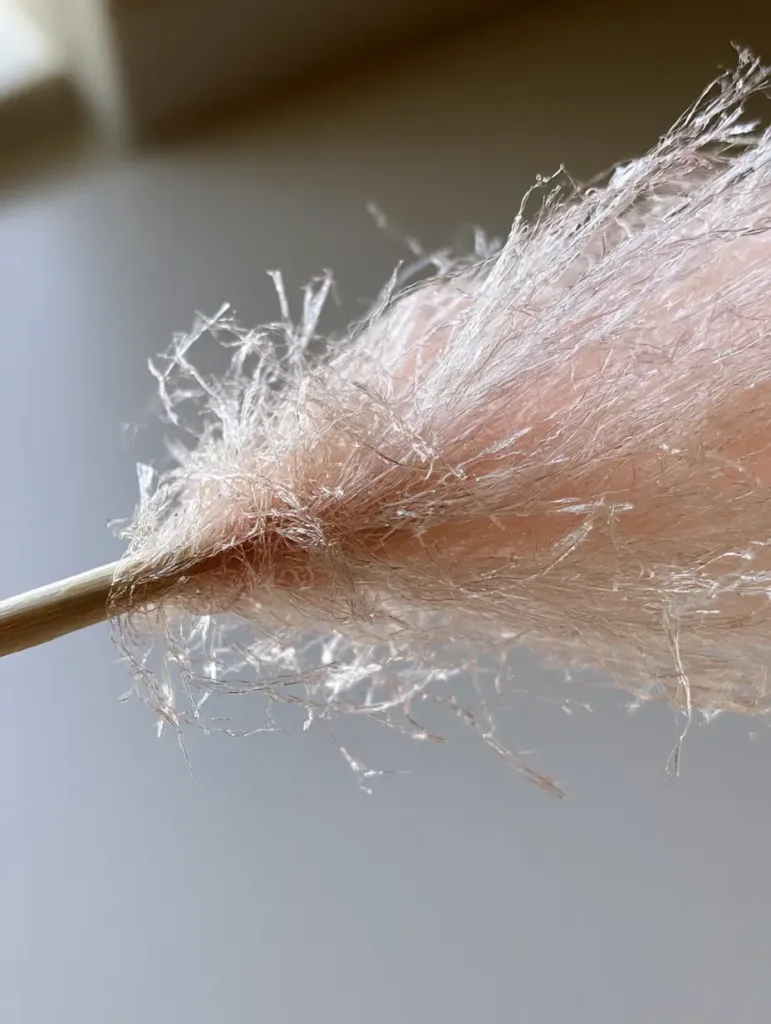
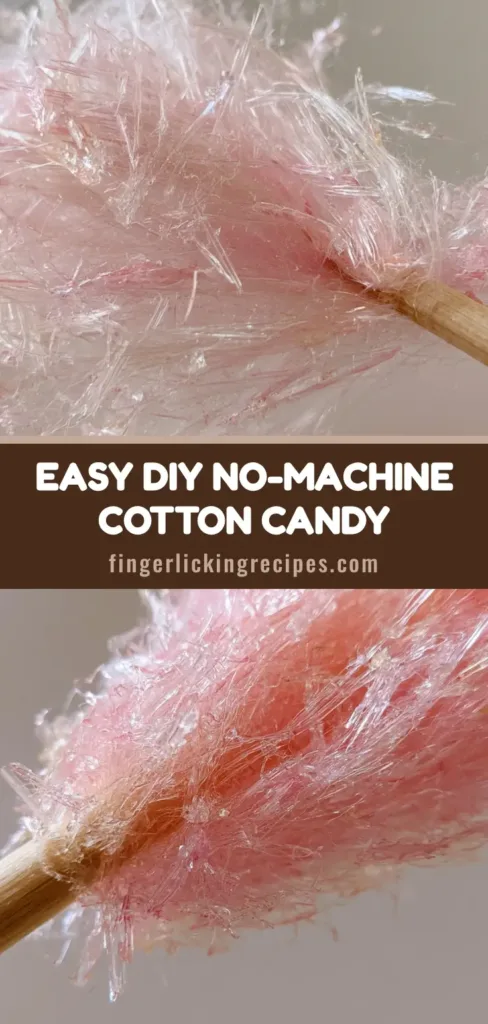
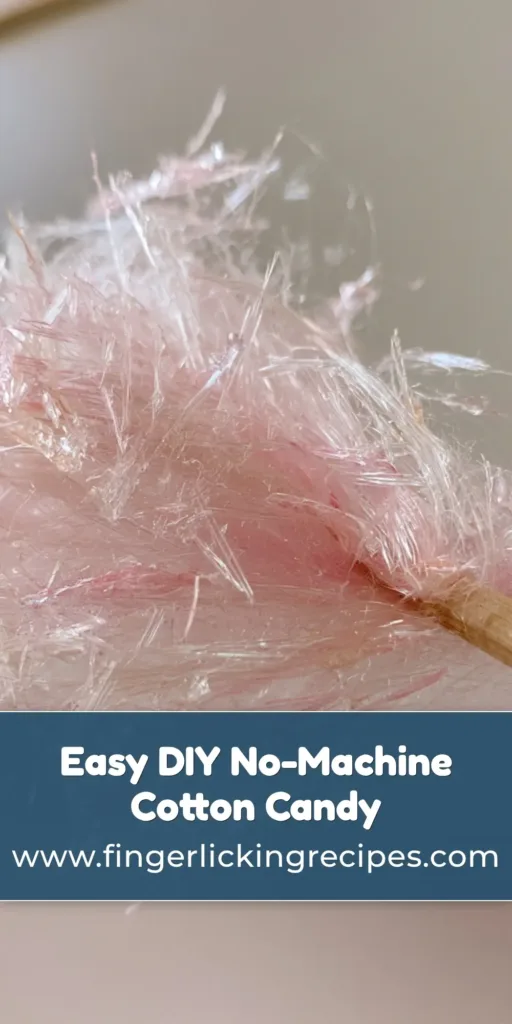
Imagine standing in your own kitchen, holding a wooden skewer draped in fine, delicate sugar threads that are a pale, translucent pink. This isn’t the coarse, grainy texture of store-bought candy; it is a crystalline, wispy masterpiece that shimmers under natural light.
In this comprehensive guide, we are going to master the forensic precision required to turn a simple sugar syrup into a handheld bundle of joy. Whether you are looking to impress guests or satisfy a whimsical craving, this machine-free method delivers a simple, unedited aesthetic that is purely professional.
Hand-spun perfection without the need for a machine.
Why You Will Love This Whimsical Hand-Spun Treat
Visual Brilliance: The final result features tangled and airy threads that perfectly mimic the look of a classic carnival treat.
Textural Contrast: You get a unique combination of soft, wispy strands and a slight crystalline crunch that melts instantly on the tongue.
Pantry Ingredients: You don’t need expensive equipment or specialty sugars—just basic staples and a little bit of patience.
Customizable Colors: While we love the soft pink aesthetic, you can adapt this method for any theme or celebration.
The Science Behind the Spun Sugar Threads
To create Homemade Cotton Candy Without a Machine, we must understand the “Hard Crack” stage of sugar. Sugar molecules are stubborn; they want to stay in a crystal form, but we are going to force them into a glass-like state.
By boiling sugar with an interfering agent like corn syrup, we prevent premature crystallization. This allows the syrup to be pulled into incredibly thin, hair-like filaments before it solidifies into a brittle structure.
The result is a bundle of fine, delicate spun sugar threads that are held together by their own complexity. It is a fragile, beautiful process that relies on heat, timing, and a flick of the wrist.
Essential Ingredients for Your Kitchen Laboratory
Granulated White Sugar (400g / 2 cups): This is the backbone of your cotton candy. It provides the bulk and the sweet, clean flavor profile needed for the syrup.
Light Corn Syrup (160ml / 2/3 cup): This is our “interfering agent.” It prevents the sugar from turning back into a grainy mess while you are flicking the threads.
Water (180ml / 3/4 cup): Water acts as the solvent, ensuring the sugar dissolves evenly and heats at a consistent rate throughout the boiling process.
Fine Sea Salt (1.5g / 1/4 tsp): A tiny amount of salt balances the intense sweetness. It adds a professional depth to the flavor that many amateur recipes overlook.
Pink Gel Food Coloring (1-2 drops): To achieve that pale, translucent pink hue seen in the visual blueprint, use a tiny amount of gel coloring rather than liquid to avoid altering the moisture content.
Vanilla or Fruit Extract (5ml / 1 tsp): While optional, a high-quality extract gives your Homemade Cotton Candy Without a Machine that signature nostalgic scent.
The Equipment Required for Manual Spinning
You won’t need a bulky centrifuge, but you will need a few specific tools to manage the 300°F (149°C) syrup. Precision is key to safety and success in this process.
Heavy-Bottomed Saucepan: A thick pot distributes heat evenly, preventing the sugar from scorching at the bottom.
Digital Candy Thermometer: This is non-negotiable. You must hit exactly 300°F (149°C) to ensure the threads set instantly in the air.
Wire Whisk (Modified): Use an old whisk and snip the ends off with wire cutters to create “prongs.” This allows the sugar to fly off the tips in thin strands.
Wooden Skewers: These are used to catch and wrap the threads, creating the handheld bundle of fine, delicate spun sugar threads.
Parchment Paper or Silicone Mats: You will need to cover your entire workspace. Sugar threads are messy and will stick to everything.
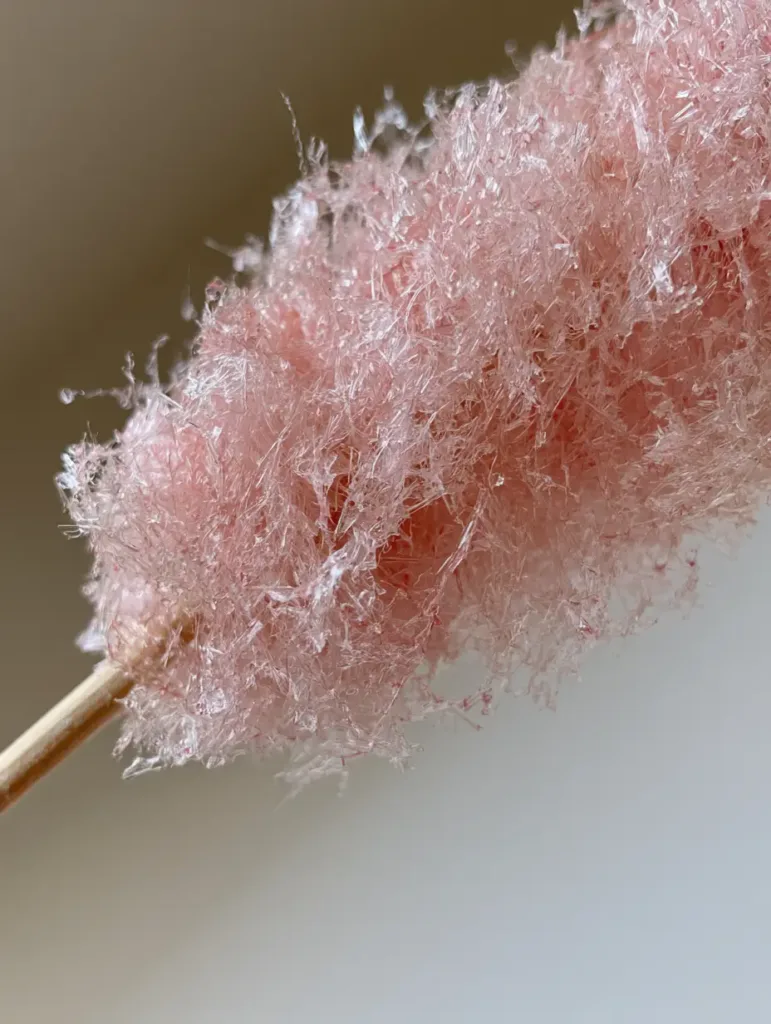
Fine, crystalline threads catching the light.
Step-by-Step Instructions for Perfect Spun Sugar
1. Preparing Your Spinning Station
Before you even turn on the stove, prepare your kitchen counter. Lay out large sheets of parchment paper. If you have two heavy objects (like jars or bricks), place them about 12 inches apart and weigh down two long wooden spoons so the handles hang over the edge of the counter.
This “bridge” will be where you flick the sugar. This is the secret to getting that tangled and airy texture without a machine.
2. Cooking the Sugar Syrup to Perfection
In your saucepan, combine the 2 cups (400g) of sugar, 2/3 cup (160ml) of corn syrup, 3/4 cup (180ml) of water, and 1/4 tsp (1.5g) of salt. Stir over medium heat until the sugar is fully dissolved.
Once dissolved, stop stirring. Insert your candy thermometer. Increase the heat slightly and watch as the mixture begins to bubble. Watch for the visual cue of large, slow bubbles that indicate the water is evaporating.
3. Reaching the Hard Crack Stage
When the thermometer reaches 300°F (149°C), immediately remove the pan from the heat. Stir in your pink food coloring and extract. The syrup should be a pale, translucent pink and very thin.
Let the syrup sit for about 1-2 minutes. You want it to thicken slightly so it forms “threads” rather than “droplets” when you lift your whisk. It should have a slight shine from the sugar syrup as it cools.
4. The Flicking and Spinning Technique
Dip your modified whisk into the hot syrup. Hold it over the parchment paper or your “bridge” and flick your wrist rapidly back and forth. You will see fine, delicate spun sugar threads begin to fall and drape over your setup.
Speed is essential here. The faster you flick, the thinner the threads will be. If the sugar is too thick, it will form “beads”—if this happens, let the syrup cool for another 30 seconds.
5. Gathering the Clouds
Once you have a significant pile of threads, take a light-colored wooden skewer. Carefully twirl the skewer through the air, catching the tangled and airy threads. Use your fingers (be careful, as the sugar may still be warm) to gently pat the bundle into a light, wispy shape.
Repeat this process until you have a handheld bundle that matches the crystalline, wispy texture of the visual prompt.
Expert Tips for Hand-Spun Success
Watch the Humidity: Sugar is hygroscopic, meaning it absorbs moisture from the air. Never try to make Homemade Cotton Candy Without a Machine on a rainy day, or your threads will turn into a sticky puddle within minutes.
The “Modified Whisk” Trick: If you don’t want to cut a whisk, you can use two forks held back-to-back, but a cut whisk provides more surface area for threads to form.
Cleaning Up: Don’t scrub the pot. Fill it with water and bring it to a boil; the hardened sugar will melt away effortlessly.
Safety First: Hot sugar is basically “culinary lava.” Keep a bowl of ice water nearby just in case any syrup touches your skin.
Serving and Pairing Suggestions
Spun sugar is best enjoyed immediately while the texture is at its peak of airiness. Because this treat is so light, it pairs beautifully with other whimsical desserts.
For a full carnival theme at home, you could even serve these after a fun meal of mini corn dog bites or some savory BBQ chicken wraps. The contrast between the salty main and the crystalline sugar threads is spectacular.
Practical Storage Advice
Spun sugar is extremely fragile. It is highly recommended to serve this immediately. If you must store it, place the bundles in an airtight container with a silica gel packet (dessicant) to keep the air dry.
Do not refrigerate your cotton candy. The humidity in the fridge will dissolve the fine threads instantly. This recipe is not suitable for freezing, as the thawing process introduces too much moisture.
While you can use an acid like lemon juice or cream of tartar to prevent crystallization, light corn syrup is the most reliable interfering agent to ensure the sugar stays pliable enough to spin into fine threads.
This usually happens if the sugar temperature wasn’t high enough or if the syrup cooled too much in the pan. Ensure you hit exactly 300°F (149°C) and work quickly while the syrup is hot.
Hand-spun sugar is very sensitive to humidity. It is best enjoyed within 10-15 minutes of being made, as it will start to deflate and become sticky quite quickly.
Sugar dissolves in water! Simply fill your saucepan with water and bring it to a boil. All the hardened residue will melt away, making cleanup effortless.
You can use two forks, but for the best results, use an old wire whisk with the ends snipped off. This creates multiple ‘fingers’ that help separate the syrup into those signature fine threads.
Mastering Homemade Cotton Candy Without a Machine
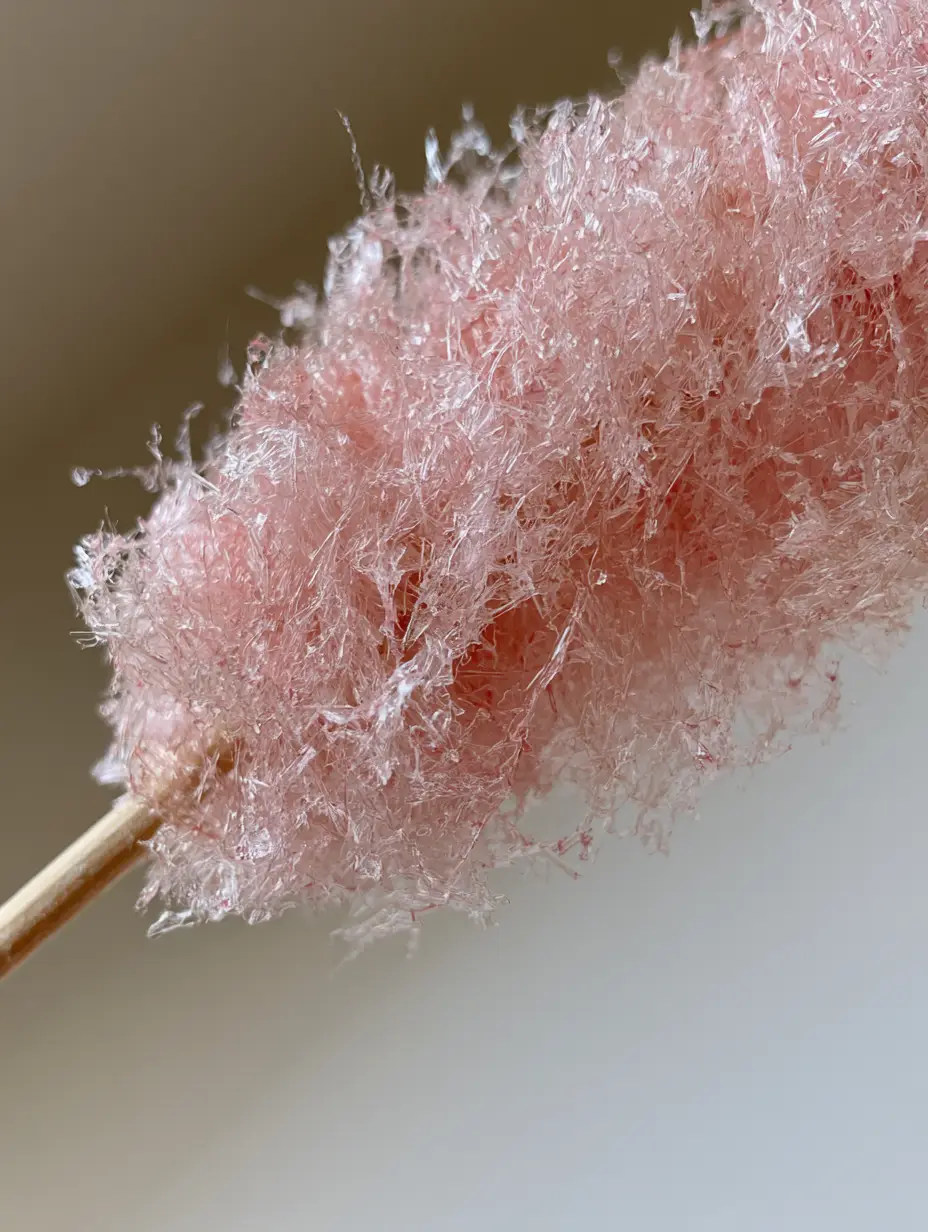
The perfect pink wispy cotton candy made right on your kitchen counter.
FL Recipes
Homemade Cotton Candy Without a Machine: The Secret to Fluffy Spun Sugar
Learn how to create delicate, pink spun sugar threads at home using the classic 'hard crack' method. This guide delivers a machine-free, wispy, and crystalline cotton candy texture perfect for whimsical desserts.
The perfect pink wispy cotton candy made right on your kitchen counter.
Bring the Carnival Home Today
Creating Homemade Cotton Candy Without a Machine is a rewarding culinary challenge that results in a stunning, edible work of art. The delicate pink threads and the crystalline, wispy texture make it a standout dessert for any occasion.
We would love to see your sugar creations! Leave a comment below letting us know how your spinning went, and don’t forget to share your photos and follow us on Pinterest for more unique dessert inspiration.
The perfect pink wispy cotton candy made right on your kitchen counter.
Hi, I’m Emily Carter, and welcome to FL Recipes! I share simple, healthy recipes that make cooking easy, fun, and delicious for everyone. more about me »