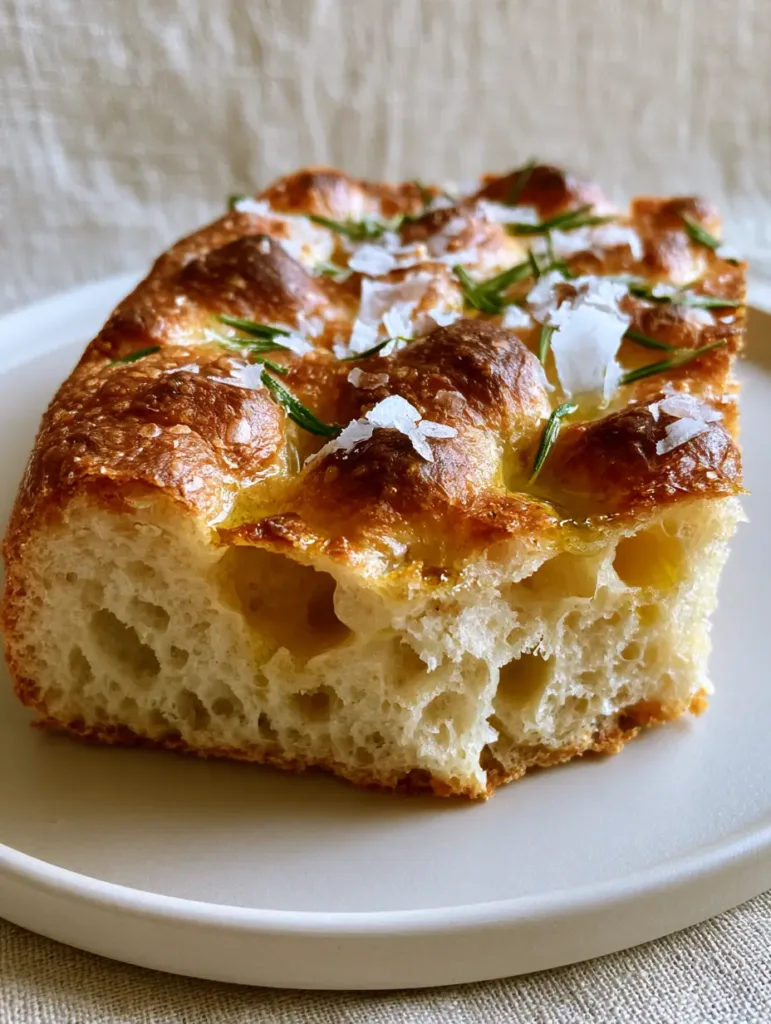
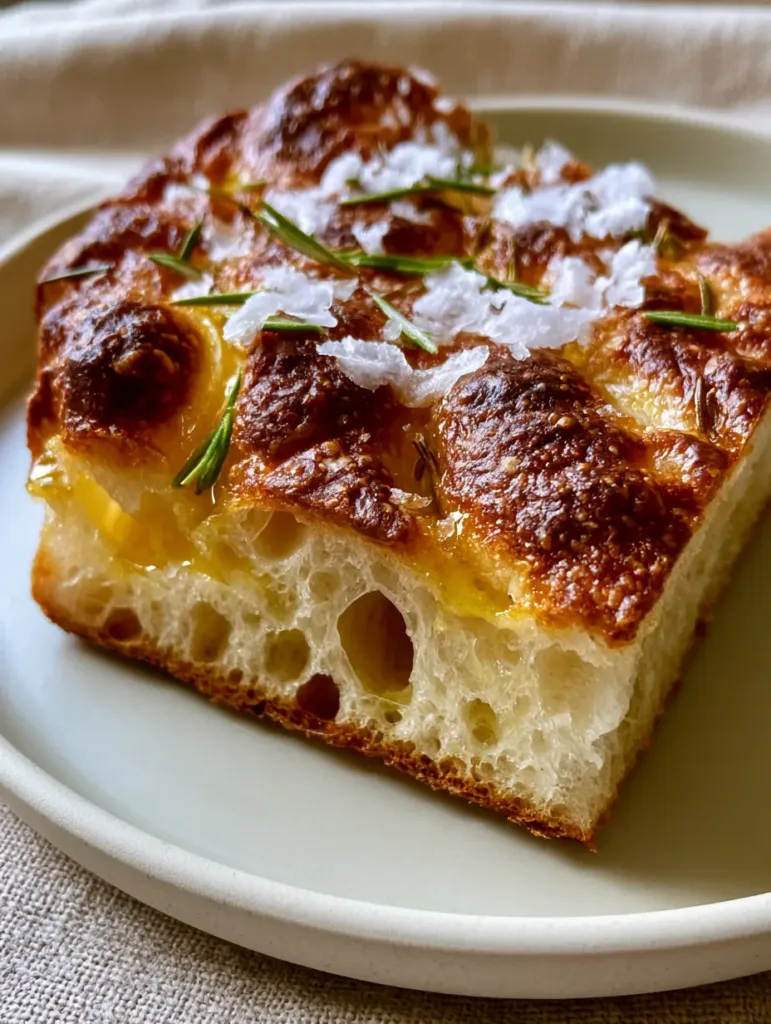
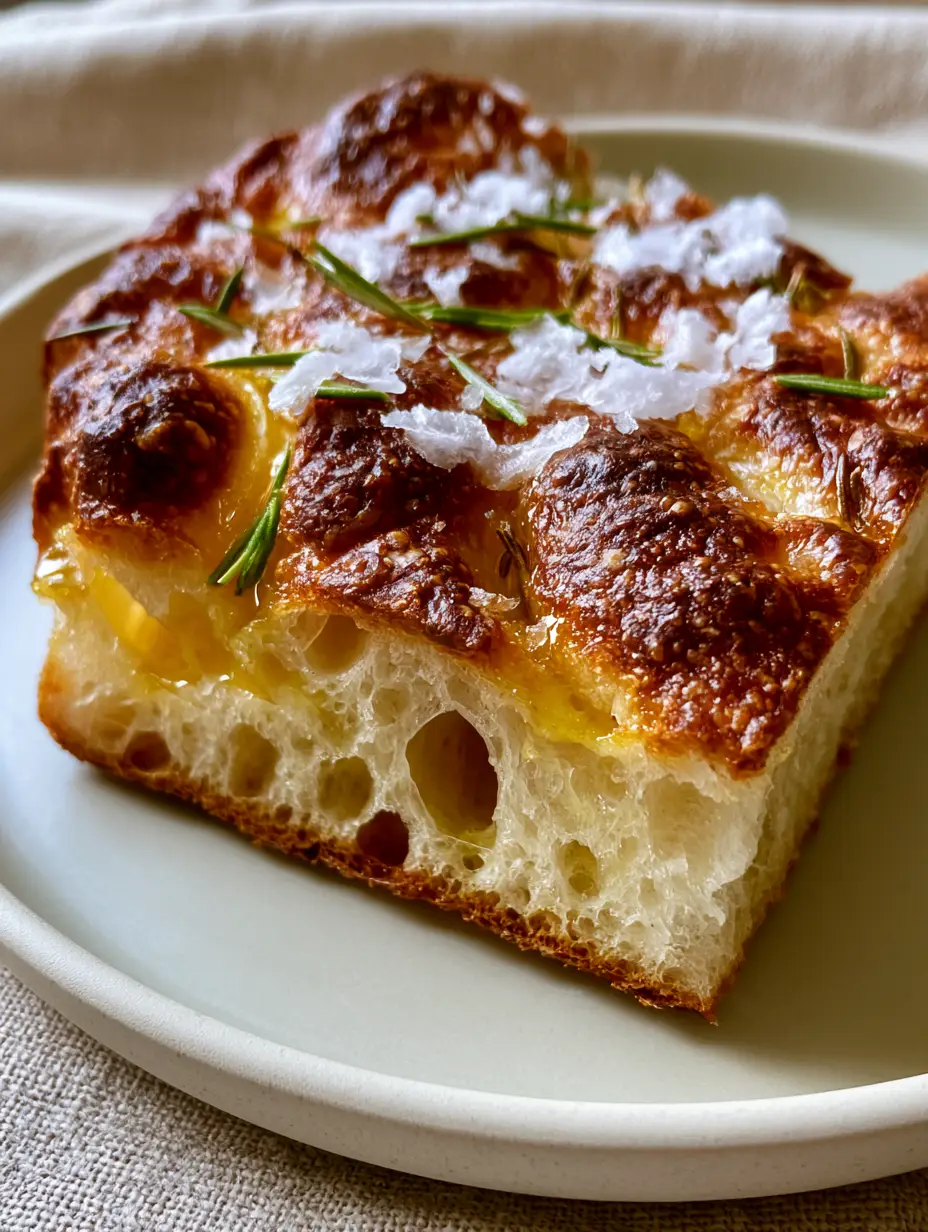
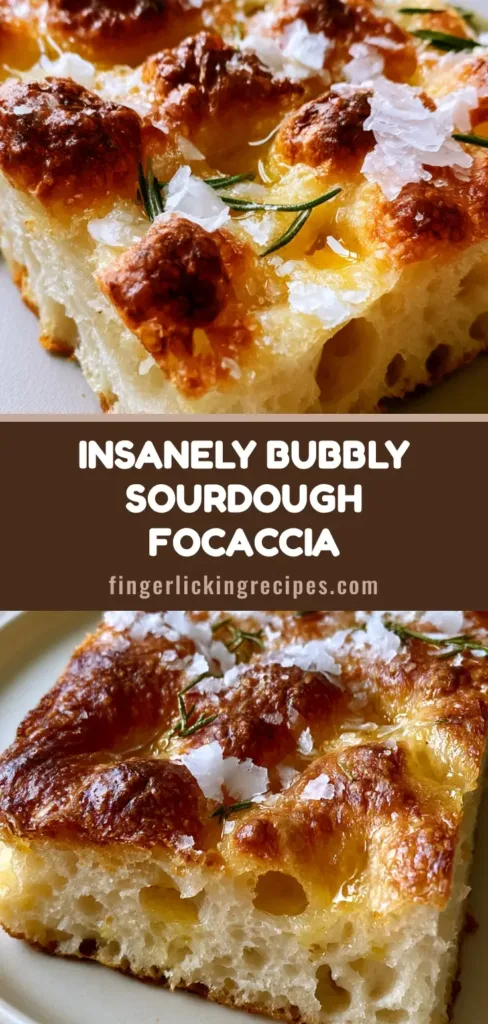
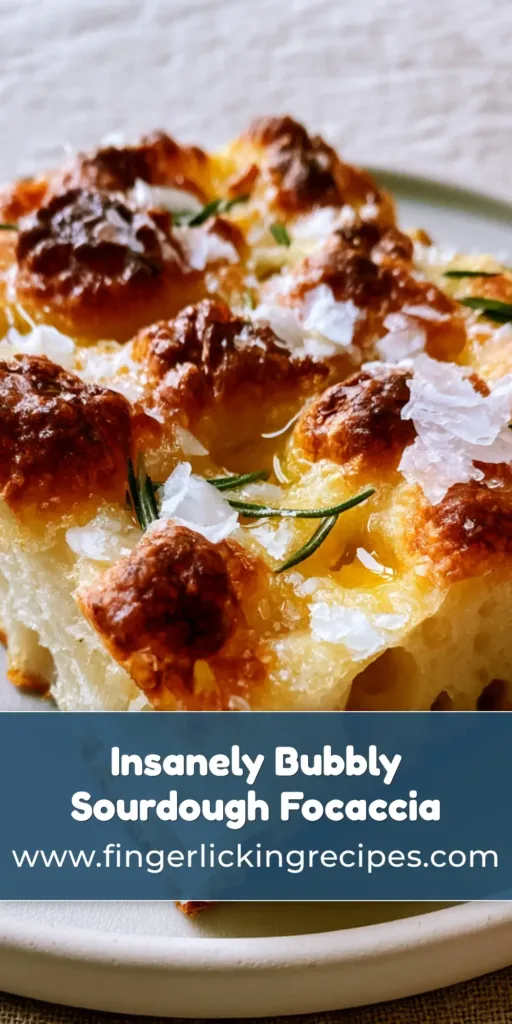
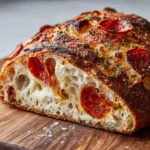
There is nothing quite like the sensory experience of a fresh Sourdough Focaccia pulling out of the oven. The kitchen fills with the woody aroma of toasted rosemary and the rich, fruity scent of warm extra virgin olive oil. This isn’t just bread; it is a structural masterpiece characterized by a deep golden-brown, crackly crust and a wild, airy interior crumb.
Our Sourdough Focaccia recipe focuses on high-hydration techniques to ensure you achieve those iconic, large air bubbles and deep dimples. Whether you are a seasoned baker or a fermentation novice, this guide will help you master the “focaccia wiggle” and produce a rectangular slice that looks like it belongs in a professional artisan bakery.
By leveraging a long cold fermentation period, we develop a complex, tangy flavor profile that perfectly balances the saltiness of the flaky sea salt. Every bite offers a contrast between the crunch of the fermented crust and the soft, pillowy texture of the open hole structure.
The deep golden-brown crust is achieved through high-temperature baking and quality olive oil.
The Signature Appeal of Artisan High-Hydration Focaccia
Wild Open Crumb: The high water content creates a lacy, airy interior that is light as a feather.
Deep Dimples: Expert technique ensures deep pockets that act as reservoirs for pooled extra virgin olive oil.
Fermented Crust: A long cold proof results in a crackly, golden-brown exterior with incredible depth of flavor.
Sensory Toppings: Large flakes of white sea salt and vibrant green rosemary needles provide the ultimate flavor punch.
Essential Ingredients for a Perfect Fermented Crumb
Active Sourdough Starter: 1/2 cup (100g). Your starter should be bubbly and at its peak to ensure the dough has enough strength to lift the heavy, high-hydration structure.
High-Protein Bread Flour: 4 cups (500g). A high protein content (12-13%) is non-negotiable for developing the gluten network required to trap those massive air bubbles.
Filtered Warm Water: 1.5 cups (360ml). Water provides the hydration necessary for a wild crumb; using filtered water ensures chlorine doesn’t inhibit your wild yeast growth.
Extra Virgin Olive Oil: 1/4 cup (60ml) for the dough, plus extra for pooling. High-quality oil is both a fat source for a soft crumb and the primary flavoring agent for the golden crust.
Fine Sea Salt: 2 tsp (10g). This seasons the interior of the bread and regulates the fermentation speed for a consistent rise.
Fresh Rosemary Sprigs: 3-4 sprigs. We strip the vibrant green needles to press into the dimples, infusing the bread with aromatic oils during the bake.
Flaky Sea Salt: 1 tbsp (15g). Large white flakes are essential for that final crunch and visual “sparkle” seen in professional food photography.
Professional Equipment for Bread Success
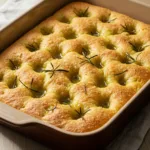
To achieve that thick, rectangular slice, you will need a 9×13 inch (23x33cm) metal baking pan, which conducts heat better than glass for a crispier bottom. A digital kitchen scale is highly recommended for accuracy, alongside a large glass mixing bowl to monitor the dough’s fermentation progress and bubble formation.
Close-up detail of the wild, open crumb and crackly fermented crust.
Step-by-Step Evolution of the Sourdough Dough
Developing the High-Hydration Foundation
In your large bowl, whisk together the active starter and warm water until milky. Add the bread flour and fine sea salt, mixing by hand until a shaggy dough forms and no dry flour remains.
Cover the bowl with a damp cloth and let it rest for 30 minutes; this “autolyse” phase allows the flour to fully hydrate and jumpstarts gluten development without kneading. After the rest, perform your first set of “stretch and folds” by grabbing one side of the dough, pulling it upward, and folding it over the center.
The Bulk Fermentation and Bubble Formation
Perform 4 sets of stretch and folds every 30 minutes over the next two hours. You will notice the dough transforming from a sticky mess into a smooth, elastic sheet that can trap air.
Cover and let the dough rise at room temperature until it has increased in volume by about 50% and you see visible bubbles on the surface. For the best flavor, place the covered bowl in the refrigerator for 12 to 24 hours for a slow cold ferment.
The Pan Proof and Dimpling Ritual
Generously coat your 9×13 inch pan with 2 tablespoons (30ml) of extra virgin olive oil. Gently transfer the cold dough into the pan, flipping it once to coat both sides in oil.
Let the dough proof in a warm spot for 2-4 hours without touching it, until it naturally spreads to the corners and looks jiggly. Once the dough is bubbly, pour another tablespoon of oil over the top and use your fingertips to press straight down, creating deep dimples where the oil can pool.
Baking for the Perfect Crackly Crust
Preheat your oven to 425°F (220°C). Sprinkle the vibrant green rosemary needles and a generous amount of flaky sea salt over the dimpled surface.
Bake for 20-25 minutes, watching for the crust to turn a deep, variegated golden-brown. You should hear a hollow sound when you tap the top, and the edges should be sizzling in the remaining olive oil.
Expert Tips for the Ultimate “Open Hole” Structure
The Wiggle Test: Before dimpling, gently shake the pan; the dough should jiggle like Jell-O, indicating it is full of air.
Oil is Your Friend: Do not skimp on the olive oil in the pan; this is what essentially “fries” the bottom crust to a golden-brown crunch.
Temperature Matters: If your kitchen is cold, your dough won’t rise; use the oven with the light turned on as a makeshift proofing box.
Wet Hands: When dimpling the dough, keep your fingers wet or oiled to prevent the high-hydration dough from sticking to you.
Sourdough Focaccia Storage and Reheating
Focaccia is best enjoyed the day it is made while the crust is at its peak crispiness. Store leftovers in an airtight container at room temperature for up to 2 days, or freeze for up to a month.
To reheat and restore that “just baked” texture, place slices in a 350°F (175°C) oven or toaster oven for 5 minutes. Avoid the microwave, as it will turn your beautiful crackly crust chewy and tough.
What to Serve With Your Fresh Focaccia
This bread is a versatile powerhouse that pairs perfectly with hearty Italian meals. Serve it alongside a bowl of Tuscan chicken pasta (coming soon) to soak up every drop of creamy sauce.
For a lighter lunch, it complements a Vietnamese noodle salad or acts as the perfect base for a sandwich using chicken torta (coming soon) inspired fillings. It is also the ultimate companion for dipping into the juices of a lemon garlic butter salmon (coming soon).
Large bubbles come from high hydration (more water) and proper fermentation. Ensuring your dough is well-proofed and handling it gently during the pan transfer prevents deflating those precious gases.
A flat focaccia is usually the result of an underactive starter or insufficient proofing time. Ensure your starter is bubbly and that the dough passes the ‘wiggle test’ before dimpling.
This specific recipe requires an active, fed starter to provide the lift needed for a thick, airy loaf. However, you can use discard if you add a pinch of commercial yeast to help with the rise.
Always use a high-quality Extra Virgin Olive Oil. Since it is a primary flavor component, a cold-pressed oil with peppery or fruity notes will significantly enhance the final taste of the bread.
Bread flour is highly recommended because its high protein content creates a stronger gluten network, which is essential for holding the structure of a high-hydration, bubbly dough.
The Master Sourdough Focaccia Recipe
FL Recipes
Sourdough Focaccia: The Ultimate Guide to Crispy, Bubbly Bread
Master this high-hydration Sourdough Focaccia featuring a deep golden-brown crackly crust, large air bubbles, and deep dimples filled with rosemary-infused extra virgin olive oil. A perfect artisan bread for any home cook.
1/2cupActive Sourdough Starter100g, bubbly and fed
1.5cupsFiltered Warm Water360ml
4cupsHigh-Protein Bread Flour500g
2tspFine Sea Salt10g
1/4cupExtra Virgin Olive Oil60ml, plus extra for the pan and dimpling
3-4sprigsFresh RosemaryNeedles stripped
1tbspFlaky Sea Salt15g, like Maldon
Equipment
1 9x13 inch Baking Pan Metal preferred for a crispier crust
1 Digital Kitchen Scale For accurate flour and water measurements
1 Large Glass Mixing Bowl To monitor fermentation
Method
Mixing and Autolyse
Whisk active starter and warm water in a large bowl. Add bread flour and fine salt, mixing until a shaggy dough forms.
Cover and let rest for 30 minutes to allow the flour to hydrate.
Fermentation
Perform 4 sets of stretch and folds every 30 minutes. The dough should become smooth and elastic.
Cover and ferment in the refrigerator for 12-24 hours to develop flavor and air bubbles.
Shaping and Baking
Transfer dough to an oiled 9x13 pan. Let rise in a warm spot for 2-4 hours until jiggly and full of air.
Drizzle with olive oil and press fingers deep into the dough. Sprinkle with rosemary needles and flaky sea salt.
Bake at 425°F (220°C) for 20-25 minutes until the crust is a deep golden-brown and crackly.
Nutrition
Calories: 210kcalProtein: 5gFat: 8gFiber: 2g
Notes
Ensure your starter is at peak activity for the best rise. Use plenty of olive oil in the pan to ensure the bottom of the focaccia effectively 'fries' for maximum crunch.
We hope this Sourdough Focaccia brings as much joy to your kitchen as it does to ours! The combination of high-quality olive oil and wild fermentation is truly life-changing for any home baker.
If you made this recipe, please leave a comment below and tell us how your crumb turned out! Don’t forget to save this to your “Baking” board on Pinterest so you never lose the technique.
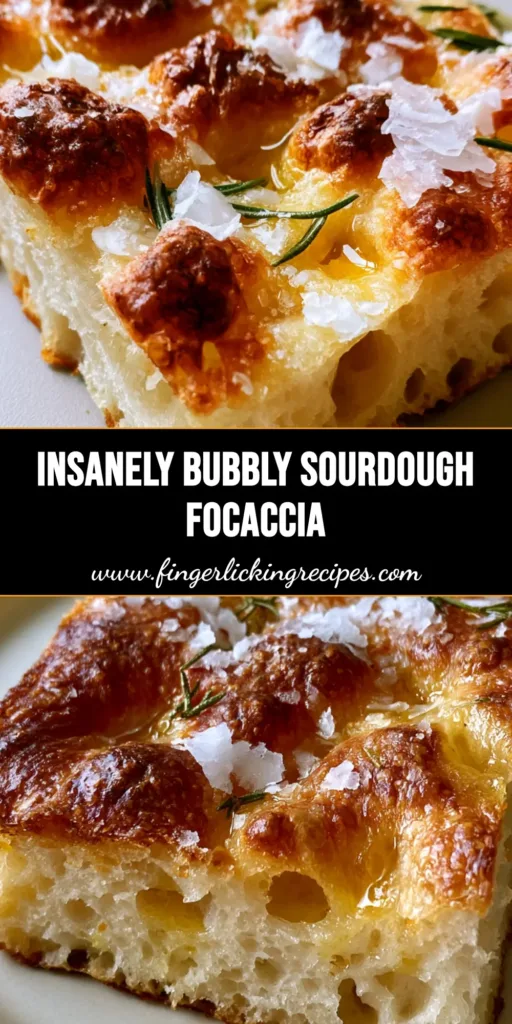
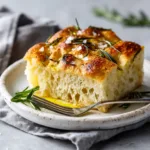
The perfect slice of airy, bubbly sourdough focaccia. The perfect slice of airy, bubbly sourdough focaccia. The perfect slice of airy, bubbly sourdough focaccia.
Hi, I’m Emily Carter, and welcome to FL Recipes! I share simple, healthy recipes that make cooking easy, fun, and delicious for everyone. more about me »