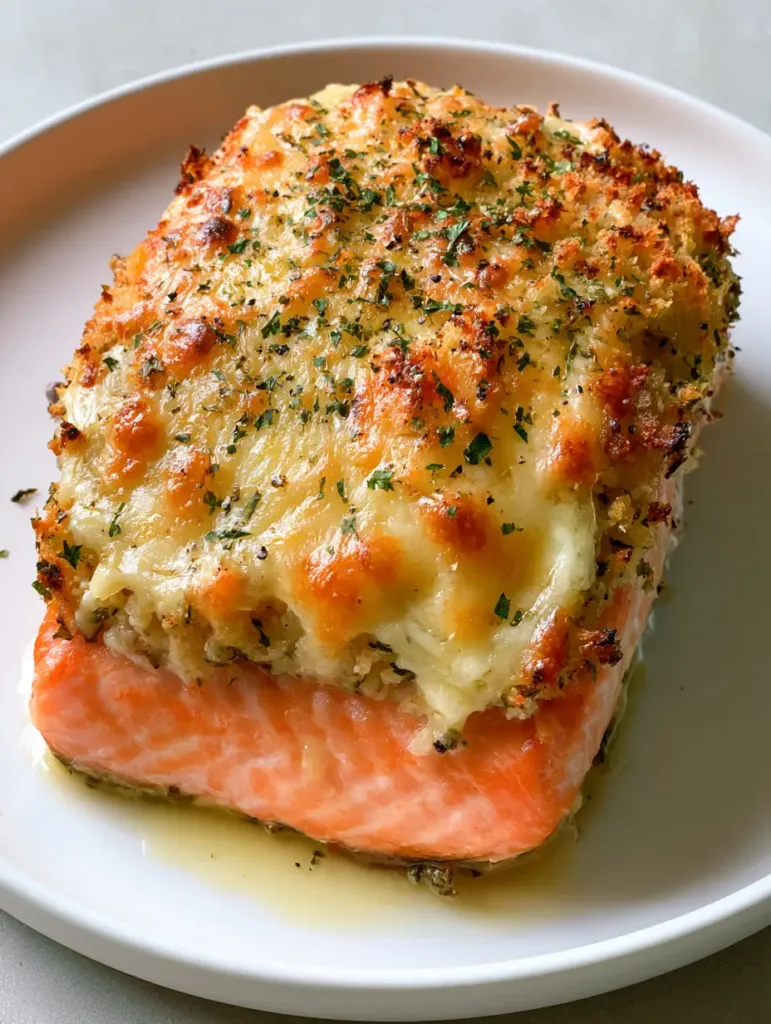
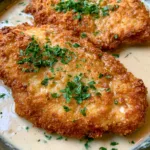
The quest for the perfect weeknight dinner often ends with a compromise between health and indulgence, but this Parmesan Crusted Salmon bridges that gap with professional elegance. Imagine a thick, center-cut fillet of salmon, its interior a vibrant pink and flaking at the mere suggestion of a fork, crowned with a jagged, golden-brown fortress of toasted Panko and melted Parmesan cheese. This isn’t just a meal; it is a sensory experience defined by the contrast between the buttery softness of the fish and the audible crunch of the crust.
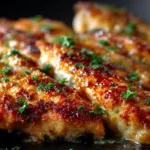
Inspired by high-end bistro techniques, this recipe focuses on a “thick, uneven layer” of crust, as seen in professional culinary photography. We aren’t looking for a flat, processed coating; we want rustic peaks of cheese and breadcrumbs that catch the heat of the oven and transform into a shattered-glass texture. When paired with a silky lemon butter sauce that pools gently at the base of your white ceramic plate, you have a dish that looks as if it stepped right out of a professional studio.
Fresh lemon butter sauce adds the perfect zing to the golden parmesan crust.
Why This Flaky Baked Salmon Fillet is the Ultimate Dinner Game-Changer
Textural Masterclass: The combination of Japanese-style Panko and finely grated Parmesan creates a “toasted, crunchy texture” that protects the delicate fish underneath from drying out.
Visually Stunning: The vibrant pink salmon against the golden crust, flecked with fine flakes of dried parsley and cracked black pepper, provides a restaurant-quality presentation at home.
Balanced Flavor Profile: The saltiness of the Parmesan and the richness of the salmon are perfectly cut by the bright acidity of the lemon butter sauce.
Twenty-Minute Magic: Despite its gourmet appearance, this dish moves from your prep station to the ceramic plate in less than half an hour.
The Essential Components for a Restaurant-Quality Salmon Crust
Every ingredient in this Parmesan Crusted Salmon serves a structural or flavor-driven purpose. To achieve the specific “thick and flaky” result we see in professional visuals, we must be intentional with our sourcing.
Salmon Fillets: Choose 2 (6 oz / 170g) center-cut fillets, approximately 1.5 inches (4cm) thick. Thick fillets are essential to ensure the interior remains vibrant pink while the crust has enough time to reach a deep golden-brown.
Panko Breadcrumbs: 1/2 cup (60g) of Japanese Panko. Unlike traditional breadcrumbs, Panko is airier and larger, which provides that specific “shattered” crunch seen in the visual blueprint.
Parmesan Cheese: 1/3 cup (35g) finely grated. This acts as the “glue” for the crust; as it melts, it binds the Panko together into those beautiful, uneven mounds.
Unsalted Butter: 4 tbsp (56g), divided. High-quality butter provides the base for our sauce and the fat needed to toast the breadcrumbs into a shimmering gold.
Dried Parsley & Black Pepper: 1 tsp (1g) parsley and 1/2 tsp (1g) cracked black pepper. These are our visual markers, providing the dark flecks that contrast against the light gray background of the plate.
Lemon Juice: 2 tbsp (30ml) freshly squeezed. The acidity is the “invisible” ingredient that brightens the entire fat-heavy profile of the dish.
Tools Required for Culinary Success
To replicate the soft natural daylight look of our visual prompt, you don’t need a studio, but you do need the right kitchen gear. A heavy-rimmed baking sheet or a cast-iron skillet provides the even heat distribution necessary for a “toasted, crunchy texture.”
You will also need a small saucepan for the lemon butter reduction and a meat thermometer. Taking the salmon to an internal temperature of exactly 145°F (63°C) is the difference between a “thick and flaky” masterpiece and a dry, chalky disappointment.
Step-by-Step Guide to the Perfect Parmesan Crunch
Preparing the Salmon for Maximum Adhesion
Start by preheating your oven to 400°F (200°C). Use a paper towel to pat the salmon fillets bone-dry. This is a critical forensic step; any moisture on the surface of the fish will steam the Panko rather than toast it, ruining that sought-after “toasted, crunchy texture.” Season the flesh lightly with salt, keeping in mind that the Parmesan will add its own saltiness later.
Constructing the Thick, Uneven Crust
In a small bowl, melt 1 tbsp (14g) of butter. Mix in your 1/2 cup (60g) Panko, 1/3 cup (35g) Parmesan, dried parsley, and cracked black pepper. The mixture should feel like wet sand. Gently pile the mixture onto the top of the fillets. Do not press it flat; leave it “uneven” as per the visual prompt to create those golden-brown ridges that look so enticing under natural light.
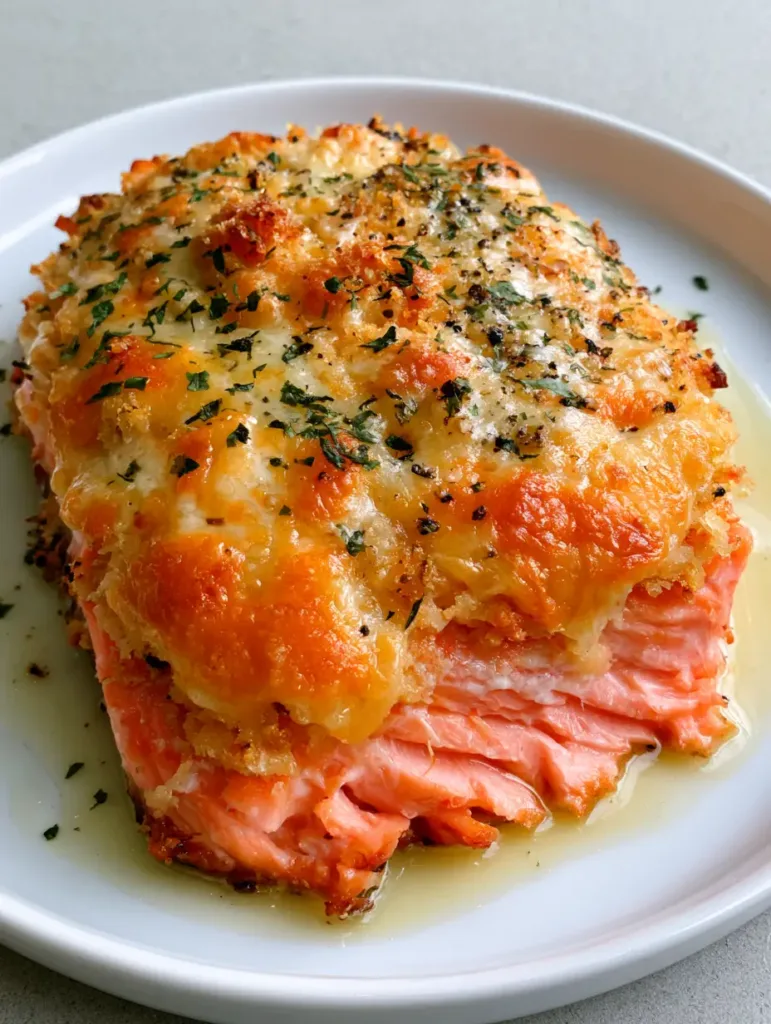
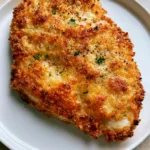
A thick, flaky fillet with a perfectly toasted Panko and Parmesan crust.
The Baking Process and Visual Cues
Place the fillets on a parchment-lined tray. Slide them into the center rack of the oven for 12–15 minutes. Look for the “vibrant pink interior” through the side of the fillet. You are waiting for the cheese to melt and the Panko to turn a “golden-brown” color. If the crust isn’t brown enough but the fish is cooked, a quick 60-second broil will finish the job.
Emulsifying the Lemon Butter Sauce
While the salmon rests for 3 minutes (essential for juiciness), melt the remaining 3 tbsp (42g) of butter in a small pan over medium heat. Whisk in the lemon juice and a pinch of parsley. The sauce should be glossy and slightly thickened, ready to be “drizzled and pooling slightly at the base” of the salmon once plated.
Pro Tips for a Flawless Presentation
The Temperature Key: Salmon continues to cook after being removed from the heat. Pull it at 135°F (57°C) if you prefer a more translucent, restaurant-style center.
Cheese Quality: Use freshly grated Parmesan (Parmigiano-Reggiano) rather than the powdered variety in a green can. The real stuff melts and browns much more effectively.
Crust Customization: If you enjoy this texture, you might also love our parmesan-crusted chicken for a poultry-based alternative.
Soggy Bottom Prevention: If using a baking sheet, ensure the fillets have space between them. Crowding the pan creates steam, which is the enemy of the crunch.
The Best Pairings for Your Parmesan Crusted Salmon
To complete this meal, you want sides that complement the rich, buttery profile without overwhelming the delicate fish. A side of garlic parmesan smashed potatoes (coming soon) offers a double dose of that savory cheese flavor while maintaining a different textural profile.
If you are looking for a lighter option, a fresh greens salad or a crispy coconut tofu bowl can provide a refreshing contrast. For those who enjoy a bit of indulgence, serving this alongside creamy garlic pork chops at a dinner party provides a surf-and-turf experience that guests will rave about for months.
Storage, Reheating, and Make-Ahead Advice
Salmon is best enjoyed immediately to preserve the “toasted, crunchy texture.” However, if you have leftovers, store them in an airtight container for up to 2 days. To reheat, avoid the microwave at all costs, as it will turn the crust into a soggy mush and the fish into rubber.
Instead, place the salmon in a toaster oven or air fryer at 350°F (175°C) for 4–5 minutes until the crust re-crisps. For a completely different flavor profile the next day, flake the cold salmon over a salad or use it as a protein boost for a white chicken enchilada casserole base.
The secret is moisture control. Pat the salmon fillets completely dry with paper towels before applying the crust. The melted butter and finely grated Parmesan act as a natural adhesive that binds the crust to the fish as it bakes.
Yes! Cook at 375°F (190°C) for 10-12 minutes. The air fryer is excellent for achieving a ‘toasted, crunchy texture’ because of the high-velocity air circulation, but ensure you don’t overcrowd the basket.
A thick, center-cut fillet (like King or Atlantic salmon) is best. It provides a larger surface area for the ‘thick, uneven layer’ of crust and stays ‘thick and flaky’ without overcooking before the cheese browns.
While the salmon is delicious on its own, the lemon butter sauce provides essential acidity that balances the saltiness of the Parmesan and the richness of the Panko. It adds that professional ‘pooling’ look to the final plate.
This usually happens if the salmon wasn’t dried properly or if the oven temperature was too low. Ensure your oven is fully preheated to 400°F (200°C) to immediately begin the toasting process of the breadcrumbs.
The Ultimate Parmesan Crusted Salmon Recipe Card
FL Recipes
Parmesan Crusted Salmon with Toasted Panko and Lemon Butter Sauce
This Parmesan Crusted Salmon features a thick, flaky fillet topped with a golden-brown, crunchy Panko-Parmesan crust. Finished with a bright lemon butter sauce, it's a 20-minute restaurant-quality meal perfect for healthy weeknight dinners.
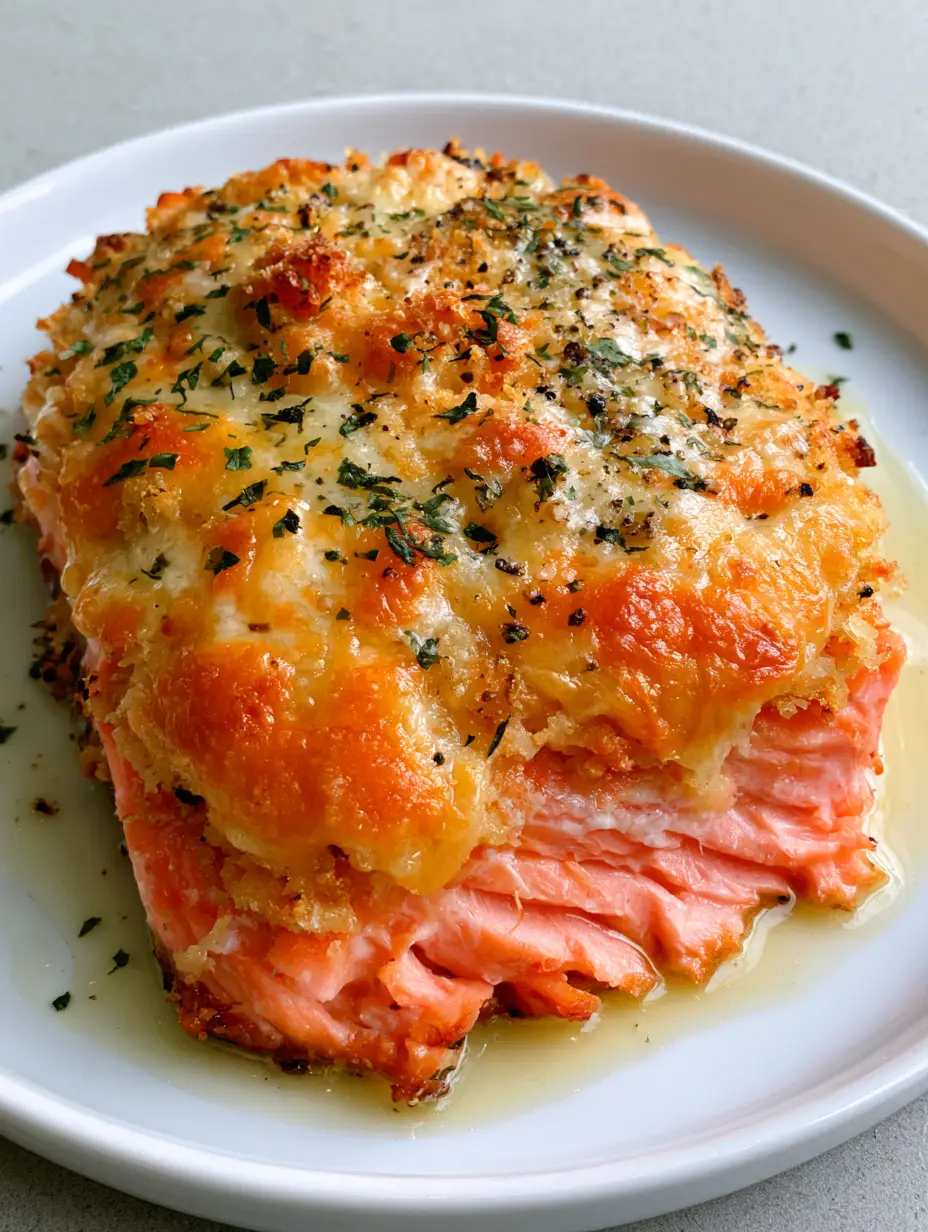
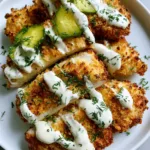
The ultimate golden-brown Parmesan Crusted Salmon on a white plate.
Join the Culinary Conversation!
This Parmesan Crusted Salmon is more than just a recipe; it’s a foundational technique that will elevate your weeknight cooking. If you enjoyed the crunch and the zesty lemon butter sauce, we would love to hear about it! Take a photo of your thick, flaky fillet and tag us on social media.
For more daily inspiration and visually stunning recipes, be sure to follow us on Pinterest. Subscribe to our newsletter for exclusive tips on achieving that perfect golden-brown crust every single time!
Hi, I’m Emily Carter, and welcome to FL Recipes! I share simple, healthy recipes that make cooking easy, fun, and delicious for everyone. more about me »